
flydubai Ignites Dubai Travel Boom With 125 Destinations As Global Network Recovery Enters A New Era
flydubai Ignites Dubai Travel Boom With 125 Destinations As Global Network Recovery Enters A New Era. Latest travel news, updates, and expert analysis.

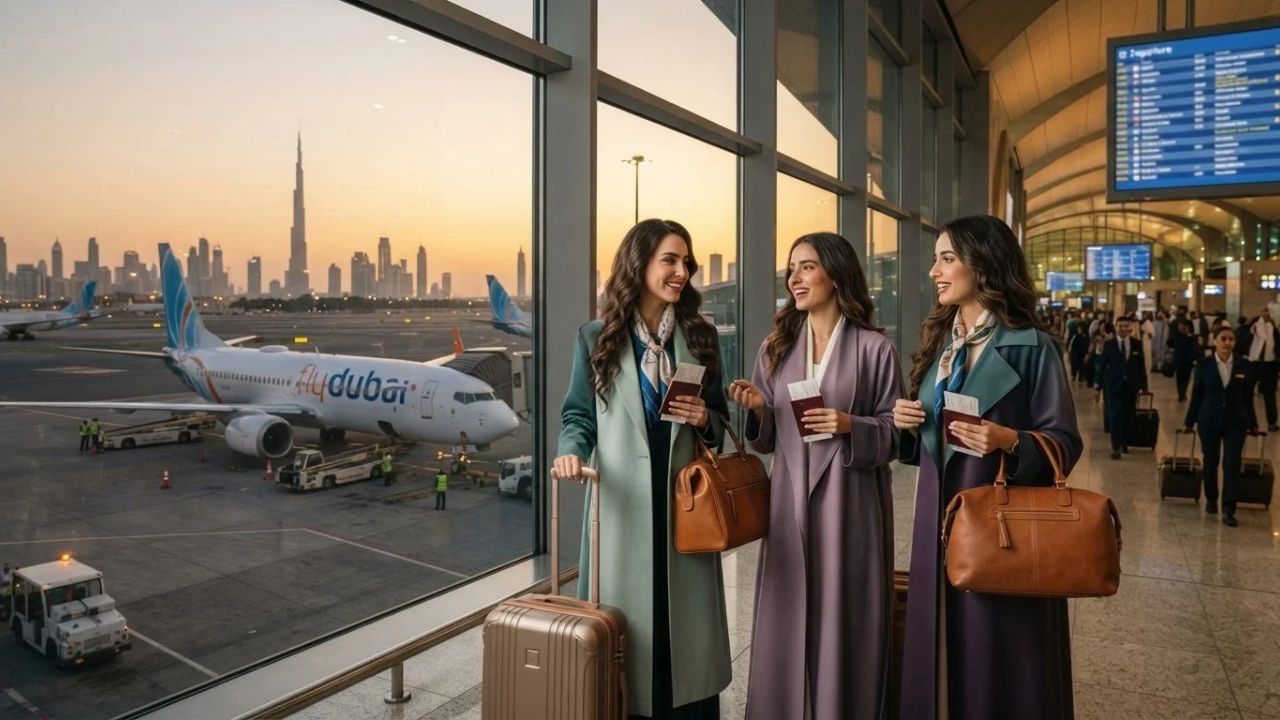
Image generated by AI
While most global travelers equate Dubai aviation exclusively with double-decker superjumbos, nearly 100 of flydubai's 125 active destinations represent secondary and frontier cities that previously possessed zero direct air connectivity to the United Arab Emirates. By restoring 85% of its pre-disruption global network, the Dubai-based carrier now operates more than 2,200 weekly flights spanning 56 countries across Africa, Central Asia, the Caucasus, Europe, the Middle East, South Asia, and Southeast Asia. From pioneering new Himalayan gateways to tripling frequencies into Bangkok's vibrant shopping heartland, this network revitalization redefines how modern nomads traverse the world's most dynamic crossroads.
Regional Reconnection: The Mechanics of flydubai's 125-City Expansion
The operational revival at Dubai International Airport (DXB) reflects surging international passenger demand as the global travel sector transitions into its autumn and winter peak. Rather than duplicating existing trunk routes, flydubai specializes in unlocking high-potential emerging markets. The airline has recently resumed or inaugurated critical services into historical hubs such as Aleppo in Syria and Benghazi in Libya, providing vital humanitarian, trade, and diaspora air bridges that bypass cumbersome multi-leg layovers.
Southeast Asia stands out as one of the fastest-accelerating sectors in the airline's portfolio. In response to relentless leisure and corporate travel appetite between the Gulf and Thailand, flydubai has expanded its schedule into Bangkok’s Don Mueang International Airport (DMK) from a single daily flight to three daily non-stop rotations. Operating into Don Mueang grants budget-conscious travelers direct access to northern Bangkok’s commuter networks, street food havens, and rapid domestic flight connections across regional Thailand.
South Asia is witnessing an equally transformative milestone. On 23 September 2026, flydubai launches non-stop scheduled flights to Pokhara International Airport, marking its second destination in Nepal alongside the capital city of Kathmandu. Championed by the Nepal Tourism Board, direct flights into Pokhara position trekkers, mountaineers, and spiritual seekers on the immediate doorstep of the Annapurna mountain circuit, bypassing the grueling eight-hour highway drive from Kathmandu.
Simultaneously, the carrier continues strengthening year-round capacity across Central Asia, scaling up frequencies into the historic Silk Road capitals of Almaty in Kazakhstan, Bishkek in Kyrgyzstan, and Tashkent in Uzbekistan. When combined with the broader codeshare partnership with Emirates, the unified network provides seamless, single-ticket access to more than 214 unique destinations across over 100 nations.
What Makes Dubai and Its Frontier Routes a Compelling Journey
Transiting through or pausing in Dubai aboard flydubai offers a travel experience fundamentally distinct from standard airport layovers.
Dubai itself is an exhilarating study in contrasting eras. Beyond the towering glass pinnacle of the Burj Khalifa and the opulent shopping malls of Downtown lies the historic soul of Old Dubai. Walking along Dubai Creek (Khor Dubai) at sunrise immerses travelers in maritime trade traditions that have endured for centuries. Wooden dhows stacked high with spices, textiles, and electronics still line the wharves of Deira, while historic coral-and-gypsum wind towers cast cooling shadows across the pedestrian alleys of Al Fahidi Historical Neighbourhood, an area candidate for future protection by the UNESCO World Heritage Centre.
What truly sets flydubai apart, however, is its capacity to deliver travelers from the hyper-modern comforts of Dubai directly into the world's most dramatic natural frontiers. In a single itinerary, an adventurous voyager can finish morning coffee overlooking Dubai's futuristic Museum of the Future and touch down by afternoon on the tranquil shores of Lake Phewa in Pokhara, gazing up at the snow-crested pyramid of Machapuchare. Alternatively, summer seasonal routes open direct corridors to Aegean sanctuaries like Mykonos, Santorini, and Corfu, or Mediterranean fjord harbors like Tivat in Montenegro and the olive-fringed bays of Bodrum.
Visitor Insider Tips: Navigating DXB Terminal 2, Transit, and Emirati Life
- Terminal 2 Transit Logistics: flydubai operates primarily out of Terminal 2 at Dubai International Airport (DXB), situated on the northern perimeter of the airfield opposite Terminals 1 and 3. If connecting between flydubai and an Emirates flight at Terminal 3, allow at least 90 to 120 minutes; dedicated airside transfer shuttles run 24 hours a day between terminals without requiring you to clear immigration or retrieve baggage on through-ticketed itineraries.
- Bangkok Airport Selection: When flying flydubai into Bangkok, note that flights arrive at Don Mueang International Airport (DMK), not Suvarnabhumi (BKK). Don Mueang is significantly closer to central districts like Chatuchak and Ari. Board the SRT Dark Red Line commuter train from Don Mueang station to Krung Thep Aphiwat Central Terminal in 20 minutes for under $1.50 USD to connect directly to the MRT subway system.
- Base Yourself in Old Dubai for Character: Rather than booking generic high-rise hotels along Sheikh Zayed Road, base yourself in historic Al Fahidi or nearby Al Seef along Dubai Creek. Boutique heritage properties here feature traditional inner courtyards, shaded verandas, and immediate access to municipal abra boats that cross the water for just 1 AED (roughly 27 cents).
- Respecting Local Etiquette: While Dubai is an international cosmopolitan center, modest dress is expected in civic buildings, traditional souks, and residential neighborhoods. Always ask permission before photographing local residents, and avoid public displays of affection. During business interactions, accept Arabic coffee (gahwa) with your right hand as a sign of respect.
- Authentic Emirati Flavors: Skip international fast food and seek out authentic Khaleeji culinary traditions. Savor slow-simmered harees (wheat porridge beaten with tender shredded veal and clarified butter) or breakfast on balaleet (sweet cardamom-and-saffron vermicelli noodles crowned with a savory folded omelet) at heritage cafes in Bur Dubai.
Cultural and Environmental Context: Sustainable Aviation Across Arabian Skies
The rapid resurgence of Dubai's aviation sector operates within an urgent national commitment to ecological transition and sustainable tourism promoted by Visit Dubai. As DXB approaches historic passenger volumes, managing environmental footprints across airport operations has become an operational necessity.
The United Arab Emirates has pioneered substantial coastal restoration initiatives, planting millions of native grey mangrove trees across coastal lagoons to serve as potent blue-carbon sinks capturing aviation emissions. On the ground, flydubai has transitioned its fleet toward new-generation Boeing 737 MAX aircraft, reducing noise contours by 40% and cutting fuel consumption and carbon emissions by up to 14% compared to legacy airframes. Furthermore, DXB has integrated extensive rooftop solar arrays, single-engine taxiing protocols, and comprehensive recycling systems across terminal food courts to divert organic waste from local landfills.
FAQ: Flying flydubai and Visiting Dubai 2026
Which terminal does flydubai use at Dubai International Airport? flydubai operates primarily from Terminal 2 at Dubai International Airport (DXB). Certain select flights and joint operations with Emirates depart from Terminal 3. Always check your electronic ticket confirmation prior to departure.
How do I transfer between Terminal 2 and Terminal 3 at DXB? Free, dedicated airside shuttle buses operate 24 hours a day between Terminal 2 and Terminal 3 for connecting passengers holding through-checked boarding passes, taking roughly 15 to 20 minutes across the perimeter.
When do direct flights to Pokhara, Nepal begin? flydubai launches non-stop scheduled flights between Dubai International Airport and Pokhara International Airport on 23 September 2026, creating a direct link to Nepal's Annapurna adventure region.
What is the best winter month to visit Dubai? December through February offers optimal outdoor weather, with pleasant daytime temperatures around 24°C to 26°C and cool desert evenings perfect for outdoor dining, beach strolls, and desert camping.
By building direct air bridges to the world's most overlooked crossroads, flydubai transforms Dubai from a sparkling desert oasis into a global launchpad for authentic discovery.
Related Travel Guides
Disclaimer
This article is for informational and educational purposes only. It does not constitute legal, financial, or professional advice. While we strive to provide accurate and up-to-date information, travel policies, regulations, and conditions change rapidly. Always verify information with official sources before making travel decisions. Nomad Lawyer makes no representations about the accuracy, reliability, completeness, or suitability of the information provided. Readers should consult qualified professionals for advice specific to their circumstances. The views expressed in this article are those of the author and do not necessarily reflect the views of Nomad Lawyer.
Raushan Kumar
Founder & Lead Developer
Full-stack developer with 11+ years of experience and a passionate traveller. Raushan built Nomad Lawyer from the ground up with a vision to create the best travel and law experience on the web.
Learn more about our team →