
Fly Baghdad Prepares Phased Return to Iraqi Skies After US Sanctions Lifted in August 2026
Iraq's privately owned Fly Baghdad is planning a phased restart of operations following its removal from the US Treasury's sanctions list on August 5, 2026.

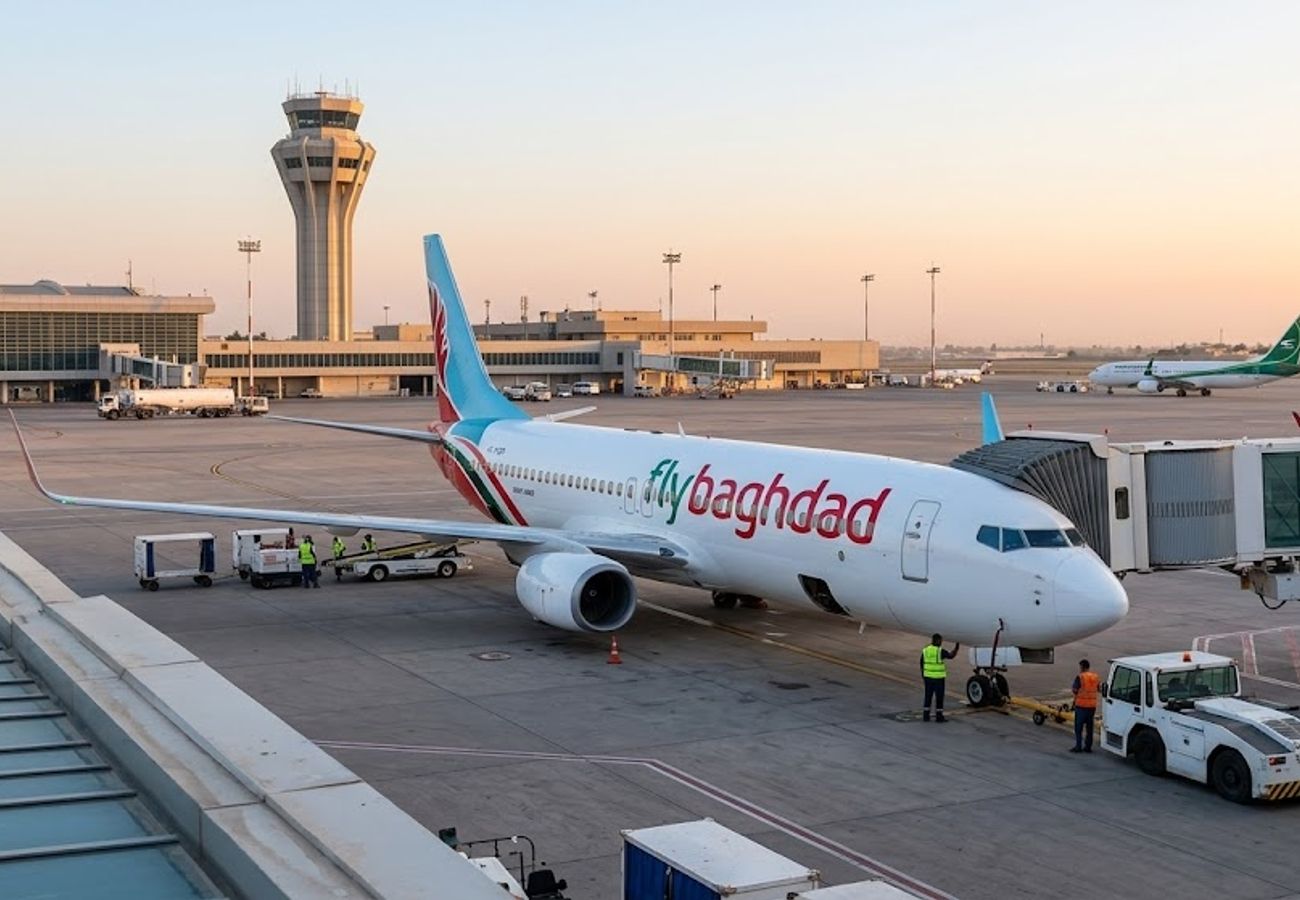
Image generated by AI
The privately owned Iraqi carrier Fly Baghdad is initiating a phased return to service following its removal from the US Treasury's sanctions list on August 5, 2026. This move ends a commercial freeze that began in January 2024, though the airline still faces significant regulatory hurdles in European airspace.
The Disruption Timeline and Sanctions Impact
Fly Baghdad, which positioned itself as a low-cost alternative to the state-run Iraqi Airways, saw its operations abruptly halted in January 2024. The US government imposed sanctions on the airline and its leadership due to alleged support for Iran-linked armed groups, leading to an immediate commercial freeze.
The impact was systemic. Within days of the January 2024 announcement, the airline's website went offline, schedules were removed from global booking platforms, and aircraft were placed in storage at Iraqi airports. The sanctions effectively severed the carrier's access to international payment systems, aircraft leasing, maintenance contracts, and insurance providers.
Flight and Airport Impact Breakdown
Our analysis of fleet records and regional traffic data indicates the following impact on the Iraqi aviation network:
- Affected Hubs: Primary operations from Baghdad, Najaf, Erbil, and Sulaymaniyah were suspended.
- Lost Connectivity: Direct routes to Damascus, Beirut, and various Gulf destinations disappeared from flight-tracking services.
- Fleet Status: The airline's narrowbody fleet, consisting of Boeing 737-700, 737-800, and 737-900ER aircraft, along with Bombardier CRJ regional jets, were largely grounded.
- Market Shift: During the suspension, capacity was absorbed by regional competitors, including Turkish Airlines, Pegasus, and various Gulf-based operators.
Passenger Rights & Advisory
For passengers planning to book with Fly Baghdad as it resumes operations, our analysis of the current regulatory environment suggests several critical considerations:
1. EU Airspace Restrictions While US sanctions have been lifted, Fly Baghdad remains on the European Union's list of airlines barred from operating within EU airspace. For the affected passenger, this means that any flight bookings involving EU destinations are currently impossible and will remain so until the EU Air Safety Committee reviews and removes the carrier from its blacklist.
2. Rebooking and Refund Risks As the airline restarts in a "phased" manner, there is a heightened risk of schedule volatility. Passengers are advised to:
- Verify that the airline has secured active insurance and maintenance certifications for the specific aircraft assigned to their route.
- Use payment methods that offer strong chargeback protections, as the airline is currently rebuilding its financial distribution partnerships.
3. Compensation Frameworks Since Fly Baghdad is an Iraqi carrier, passengers on flights departing from the EU (should the blacklist be lifted) would be protected under EU261/2004. However, for flights departing from Baghdad or Najaf, passengers are subject to Iraqi aviation law and the airline's own conditions of carriage, which typically offer fewer protections than EU or US DOT guidelines.
Industry Analyst View
The removal of Fly Baghdad from the Specially Designated Nationals list on August 5, 2026, is a significant geopolitical signal, but the operational recovery is a steeper climb. The airline is not returning to a vacant market; foreign carriers have spent the last two years consolidating their hold on Iraqi business and religious tourism sectors.
The primary challenge for Fly Baghdad is not just the lack of sanctions, but the "storage decay" of its fleet. Returning Boeing 737s and Bombardier jets to service after years of inactivity requires rigorous maintenance audits and crew recertification.
Furthermore, the carrier must demonstrate a transparent break from the activities that triggered the 2024 sanctions to regain the trust of international lessors and insurers. A "nimble" low-cost strategy may work, but only if the airline can maintain a safety record that satisfies both Iraqi authorities and international regulators.
A cautious reboot is the only viable path for a carrier recovering from total systemic collapse.
Related Travel Guides
Disclaimer
This article is for informational and educational purposes only. It does not constitute legal, financial, or professional advice. While we strive to provide accurate and up-to-date information, travel policies, regulations, and conditions change rapidly. Always verify information with official sources before making travel decisions. Nomad Lawyer makes no representations about the accuracy, reliability, completeness, or suitability of the information provided. Readers should consult qualified professionals for advice specific to their circumstances. The views expressed in this article are those of the author and do not necessarily reflect the views of Nomad Lawyer.
Preeti Gunjan
Contributor & Community Manager
A passionate traveller and community builder. Preeti helps grow the Nomad Lawyer community, fostering engagement and bringing the reader experience to life.
Learn more about our team →