
Most and Least Expensive European Airlines 2026: Revenue Per Seat Analysis and Fare Trends
New 2025 financial data reveals a widening gap between premium flag carriers and ultra-low-cost airlines in Europe, driven by long-haul demand and aggressive short-haul pricing strategies.

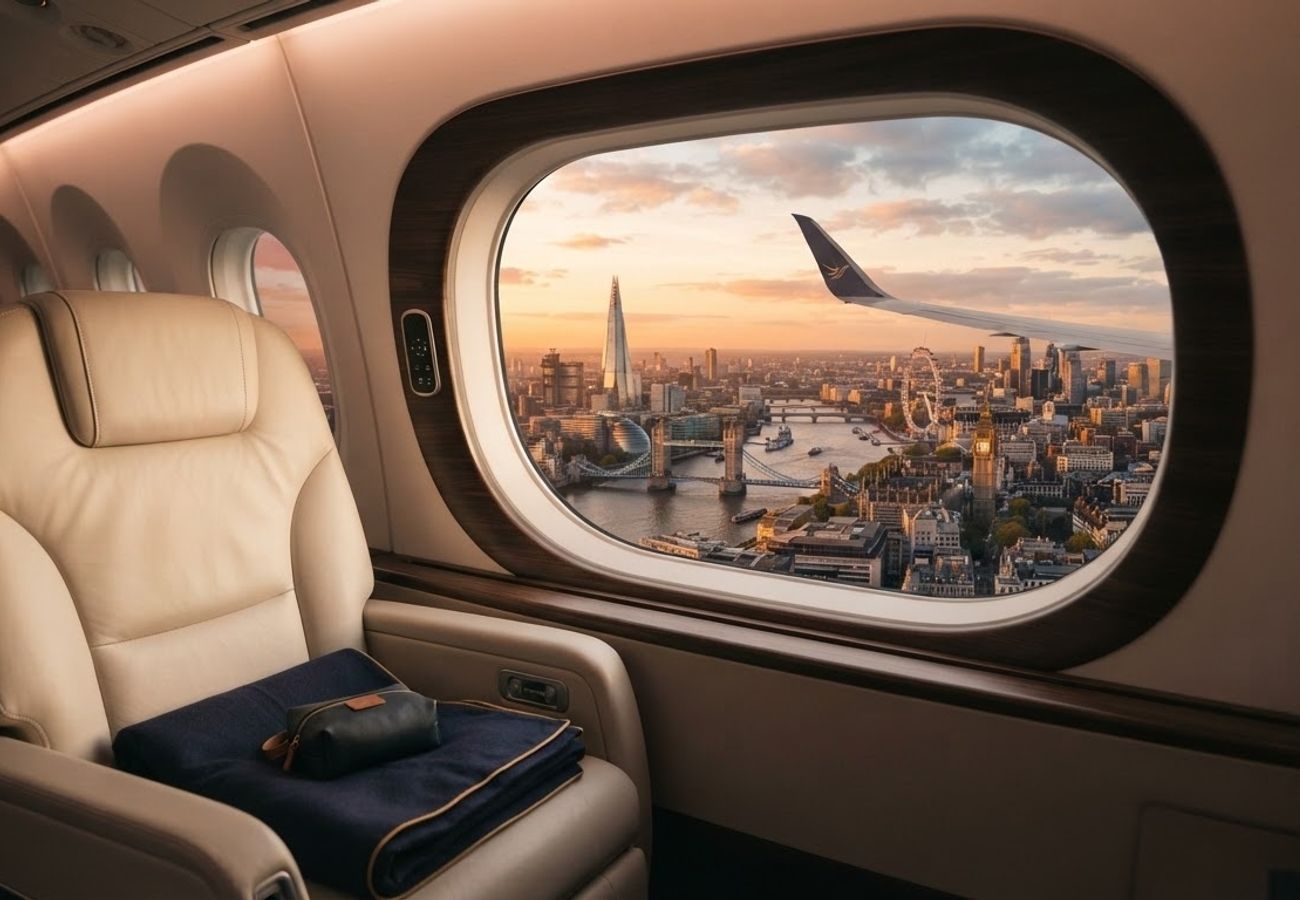
Image generated by AI
The divide between Europe's aviation elites and budget disruptors has reached a new peak, with 2025 financial data showing a pronounced gap in passenger revenue per available seat kilometre.
The European aviation market is currently defined by two extremes: high-yield network carriers focusing on corporate luxury and ultra-low-cost carriers (ULCCs) leveraging extreme volume. This structural split is not merely about ticket prices but reflects a fundamental difference in how airlines generate value from every kilometer flown.
The Premium Tier: High-Yield Network Strategies
At the top of the revenue spectrum sit the legacy flag carriers. These airlines do not just sell seats; they sell connectivity, time, and status. Analysis indicates that Swiss, Lufthansa, and British Airways are among the most expensive carriers in Europe when measured by passenger revenue per seat.
The pricing power of these airlines is anchored in three specific areas:
- Strategic Hubs: Operations out of Zurich, Frankfurt, Munich, and Vienna allow these carriers to capture high-yielding connecting traffic.
- Long-Haul Dominance: Intercontinental routes command significantly higher fares than point-to-point European hops, lifting the overall average revenue.
- Corporate Demand: A heavy reliance on business and first-class cabins—particularly at capacity-constrained hubs like London Heathrow—sustains elevated pricing.
For the visitor, the real impact is a "tiered" experience. While a base economy ticket on a network carrier may seem competitive, the overall revenue per seat is driven by the premium cabins that offer lounges, priority boarding, and superior aircraft models.
The Budget Tier: The ULCC Volume Engine
Conversely, the bottom of the scale is occupied by carriers that treat aviation as a commodity. Ryanair, Wizz Air, and easyJet consistently record the lowest passenger revenue per seat. Their model is built on high aircraft utilization and dense seating layouts that maximize the number of passengers per flight.
Ryanair continues to lead the low-cost sector by maintaining a unit cost base that undercuts almost all European competitors. Wizz Air focuses its aggressive pricing in Central and Eastern Europe, while easyJet maintains a stronghold at primary Western European airports.
Despite the introduction of paid cabin baggage and allocated seating, the base fares of these carriers remain significantly lower than those of legacy competitors. This creates a "price floor" in the European market; whenever a low-cost carrier expands into a new route, average fares across that entire route typically drop, forcing legacy airlines to discount their economy offerings to remain viable.
Structural Drivers of the Price Gap
The disparity in pricing is not accidental but a result of differing operational philosophies.
| Feature | Network Carriers (Premium) | Low-Cost Carriers (Budget) |
|---|---|---|
| Fleet Strategy | Complex, mixed-model fleets | Simplified, single-type fleets |
| Airport Choice | Major primary hubs (High fees) | Secondary or low-cost airports |
| Revenue Stream | High-yield tickets & corporate contracts | Low base fares & ancillary fees |
| Service Model | Integrated (Meals/Baggage included) | Unbundled (Pay-per-service) |
Since 2022, macro-economic pressures—including fluctuating fuel prices and new environmental charges—have shifted the market. Premium carriers have largely passed these costs directly to the passenger. In contrast, budget airlines have absorbed these shocks through capacity growth and tighter cost controls to maintain their psychological price advantage.
Visitor Insider Tips: Navigating the Fare Gap
To maximize value in the 2026 European aviation market, travelers should look beyond the headline price.
- The "Hidden" Cost Calculation: When booking with ULCCs like Ryanair or Wizz Air, always calculate the "final" price including a carry-on bag and seat selection. In many cases, the total cost approaches that of a legacy carrier's economy light fare.
- The Hub Hack: If flying a premium carrier like Lufthansa or Swiss, check "multi-city" bookings. Sometimes adding a short stopover in a hub city can lower the overall ticket price compared to a direct flight.
- Off-Peak Windows: To avoid the steep pricing of network carriers on corporate routes (e.g., London to Frankfurt), avoid flying on Sunday evenings or Monday mornings. Mid-week flights often see a significant drop in business-class demand, leading to lower economy fares.
- Regional Alternatives: For travel to Mediterranean destinations, look for regional holiday carriers. These often operate on a seasonal volume model and can be cheaper than both ULCCs and flag carriers during the shoulder seasons (May and September).
Tourism Outlook
The long-term trend suggests a further polarization of the market. We are seeing a "hollowing out" of the middle market. Airlines are either pivoting toward ultra-premium experiences to attract high-net-worth nomads and corporate executives or doubling down on the "bus in the sky" model.
For the European economy, this ensures high accessibility for leisure tourists while maintaining high-margin revenue streams from global business hubs. The integration of more sustainable aviation fuels (SAF) is expected to be the next major price driver, likely increasing fares across both tiers as environmental mandates tighten.
Smart travel in 2026 is no longer about finding the cheapest flight, but about calculating the true cost of the experience.
Related Travel Guides
Disclaimer
This article is for informational and educational purposes only. It does not constitute legal, financial, or professional advice. While we strive to provide accurate and up-to-date information, travel policies, regulations, and conditions change rapidly. Always verify information with official sources before making travel decisions. Nomad Lawyer makes no representations about the accuracy, reliability, completeness, or suitability of the information provided. Readers should consult qualified professionals for advice specific to their circumstances. The views expressed in this article are those of the author and do not necessarily reflect the views of Nomad Lawyer.
Raushan Kumar
Founder & Lead Developer
Full-stack developer with 11+ years of experience and a passionate traveller. Raushan built Nomad Lawyer from the ground up with a vision to create the best travel and law experience on the web.
Learn more about our team →