
Curaçao Aligns With Jamaica And More Countries To Propel Aruba Tourism GDP Over 24% Through Global Demand, Cruise Growth And Aviation Links
Aruba Tourism The growth rate of the GDP generated by tourism activities on Aruba exceeds 24% due to strengthened Caribbean connections,

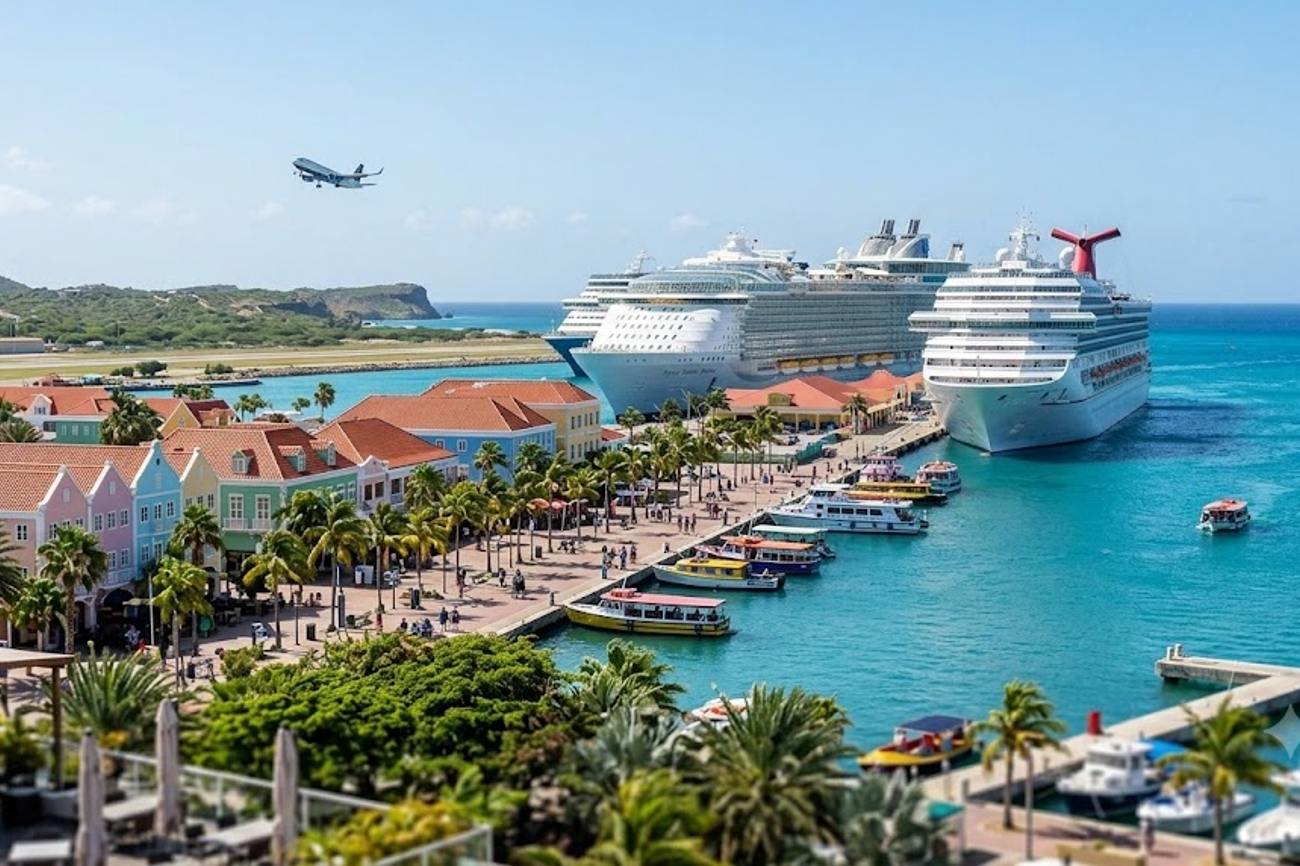
Image generated by AI
Aruba Tourism
The growth rate of the GDP generated by tourism activities on Aruba exceeds 24% due to strengthened Caribbean connections, the growth of cruise tourism and aviation. The economy of the Aruba tourism industry is going through a new stage of development because of increased demand from abroad, recovered cruise tourism, aviation connections and collaboration in the sphere of tourism within the region. The growth of the GDP generated by Aruba tourism by 24.3% since 2023 is a result of the successful recovery strategy of the island.
Tourism continues to remain the foundation of Aruba’s economy, supporting hotels, restaurants, transport companies, attractions, retail businesses and thousands of tourism-related jobs. According to UN Tourism data and global tourism indicators, tourism plays a crucial role in Aruba’s economic structure, with the sector generating significant income, strengthening employment and supporting wider service industries across the island. The reported 24.3% growth in Aruba’s tourism GDP since 2023 highlights the strong recovery and expansion of the island’s travel economy, driven by rising international visitor demand, cruise tourism revival, improved aviation connectivity and increased tourism-related spending. This growth has further reinforced Aruba’s position as one of the Caribbean’s leading tourism-driven economies.
The island’s growth story is not built on one market alone. Aruba is benefiting from a wider Caribbean tourism network where destinations such as Curaçao, Jamaica, Bonaire, Dominican Republic, Barbados and Trinidad and Tobago are strengthening regional travel connections, creating new opportunities for Caribbean tourism growth.
Aruba’s Tourism GDP Surge Is Powered By Global Visitor Demand
The biggest force behind Aruba’s tourism expansion has been the return of international travellers.
After the pandemic disruption, global leisure travel demand recovered strongly. Aruba used this momentum to attract visitors seeking:
Beach holidays Luxury resorts Premium experiences Family vacations Adventure tourism Caribbean lifestyle experiences
The United States remains Aruba’s strongest tourism market, providing a large share of visitors and tourism spending. North American travellers continue to support hotel demand, restaurant activity, shopping and local experiences.
Aruba’s strategy has focused not only on increasing visitor numbers but also on attracting travellers who spend more during their stay.
This high-value tourism approach helps increase tourism GDP because visitor spending spreads across multiple sectors, including:
The Curaçao government has announced a strategic alliance with Jamaica and other countries to boost tourism in the region, with a focus on increasing air connectivity and promoting cultural exchange. This initiative is expected to drive growth in Aruba's tourism sector, with the Aruba Tourism Authority playing a key role in promoting the island's unique attractions and experiences. By leveraging their collective strengths, these countries aim to increase their competitiveness in the global tourism market.
Tourism Sector Economic Contribution Hotels and resorts Accommodation revenue and employment Restaurants Food and beverage spending Transport Airport, taxi and mobility services Attractions Excursions and experiences Retail Shopping and local businesses Curaçao Aligns With Aruba Through ABC Island Tourism Strength
Curaçao has become one of Aruba’s closest tourism partners through the wider ABC Islands tourism connection, which also includes Bonaire.
The three destinations create opportunities for:
Multi-island Caribbean holidays Regional aviation links Shared tourism promotion Cruise itineraries Longer visitor stays
Curaçao’s tourism growth supports Aruba by strengthening the overall Caribbean destination image.
Travellers increasingly look for diverse island experiences. A visitor who combines Aruba’s beaches with Curaçao’s cultural attractions or Bonaire’s marine tourism creates additional regional tourism spending.
The partnership approach helps increase:
Airline demand Tour operator packages Regional travel flows Caribbean tourism visibility Jamaica Strengthens Caribbean Tourism Demand And Regional Appeal
Jamaica plays an important role in strengthening the Caribbean’s global tourism reputation.
Although Jamaica is not Aruba’s largest direct visitor market, its position as one of the Caribbean’s most recognised destinations helps increase international interest in the region.
Jamaica contributes through:
Strong destination branding Cruise tourism influence Caribbean travel awareness Tourism investment experience
A stronger Caribbean tourism identity benefits destinations across the region, including Aruba, by encouraging more international travellers to explore multiple Caribbean islands.
Jamaica’s tourism success also supports greater airline interest in Caribbean routes, helping improve regional connectivity.
The growth in cruise tourism is also expected to contribute significantly to Aruba's GDP, with major cruise lines such as Carnival Corporation and Royal Caribbean International operating regular services to the island. Passengers arriving at the Queen Beatrix International Airport will have access to a range of facilities and services, including duty-free shopping and dining options. As the cruise industry continues to expand, Aruba is well-positioned to capitalize on this trend and attract more visitors to its shores.
Bonaire Supports Nature Tourism And Multi-Island Travel Growth
Bonaire strengthens Aruba’s tourism ecosystem through nature-based travel.
Known internationally for marine experiences, Bonaire attracts visitors interested in:
Diving Coral reefs Sustainable tourism Wildlife experiences
The connection between Aruba, Curaçao and Bonaire creates a broader Caribbean travel product.
Instead of competing separately, the ABC Islands can encourage travellers to explore multiple destinations during one Caribbean holiday.
This approach increases tourism value by extending visitor stays and spreading spending across different islands.
Dominican Republic Adds Strength Through Aviation And Cruise Networks
The Dominican Republic contributes to the wider Caribbean tourism expansion through its large aviation network and cruise industry.
Its tourism importance supports regional growth through:
Major airport connectivity Caribbean cruise operations International airline networks Regional travel opportunities
A stronger Caribbean aviation system creates more possibilities for travellers to combine destinations.
For Aruba, better regional connectivity supports easier movement of tourists, stronger travel partnerships and increased visibility among international visitors.
Barbados Supports Caribbean Tourism Cooperation
Barbados contributes to Caribbean tourism development through regional cooperation and destination promotion.
To accommodate the increasing demand for air travel, airlines such as American Airlines are expanding their routes and frequencies to Aruba, providing more options for travelers and helping to drive economic growth. The Aruban government is also investing in infrastructure development, including upgrades to the island's airport and port facilities, to support the growth of the tourism sector. With its rich cultural heritage and natural beauty, Aruba is an attractive destination for tourists, and the government is committed to providing a high-quality experience for visitors.
The island supports the wider Caribbean tourism environment through:
Tourism collaboration Industry partnerships Regional marketing efforts Sustainable tourism discussions
As Caribbean destinations work together, the region becomes more attractive to international travellers searching for diverse island experiences.
This regional strength indirectly supports Aruba by improving the Caribbean’s position in the global tourism market.
Trinidad And Tobago Strengthens Regional Connectivity Opportunities
Trinidad and Tobago contributes to Caribbean tourism development through regional transport links and business connections.
The country supports tourism growth through:
Regional aviation opportunities Caribbean business travel Cultural tourism connections
Improved movement between Caribbean destinations creates additional opportunities for tourism businesses and travellers.
For Aruba, stronger regional networks help expand tourism partnerships and improve accessibility.
Cruise Tourism Becomes A Major Engine For Aruba Growth
Cruise tourism has become another important pillar supporting Aruba’s tourism economy.
The return of cruise passengers has strengthened local businesses including:
Shore excursion companies Restaurants Retail shops Transportation providers Cultural attractions
Cruise visitors create immediate economic activity during port visits.
The cruise sector also strengthens Aruba’s position within Caribbean cruise routes, connecting the island with other major destinations across the region.
Aviation Links Open New Pathways For Aruba Tourism Expansion
Air connectivity remains one of the most important drivers of Aruba’s tourism GDP growth.
The island has benefited from strong
FAQ: Curaçao Aligns With Jamaica And More Countries 2026
What is driving Aruba's tourism growth? Increased global demand and cruise growth.
How will aviation links impact tourism? Improved connectivity with more flights and routes.
What are the benefits of Curaçao's alignment with Jamaica? Enhanced regional cooperation and tourism offerings.
Will this growth affect traveler costs in 2026? Possibly, with potential increases in accommodation prices.
Related Travel Guides
- Dominica Tourism Campaign Hits Times Square With a Powerful New Pitch for Nature-Led Caribbean Travel
- Maldives Emerges Alongside Japan and Asia’s Leading Tourism Economies as High-Spending International Tourists Drive Value
- Czechia’s October Fuel Price Cap Puts Autumn Road Trip Costs in the Spotlight
Disclaimer
This article is for informational and educational purposes only. It does not constitute legal, financial, or professional advice. While we strive to provide accurate and up-to-date information, travel policies, regulations, and conditions change rapidly. Always verify information with official sources before making travel decisions. Nomad Lawyer makes no representations about the accuracy, reliability, completeness, or suitability of the information provided. Readers should consult qualified professionals for advice specific to their circumstances. The views expressed in this article are those of the author and do not necessarily reflect the views of Nomad Lawyer.
Naina Thakur
Contributor & Travel Specialist
Travel enthusiast and legal writer covering visa regulations, responsible tourism, and cultural journeys across global destinations.
Learn more about our team →