
Morocco Follows Rwanda and Others as Africa Embraces Slow Travel and Better Distributed Tourism
While many countries in the Mediterranean are losing tourists, many in Africa are gaining. Rwanda has shown other African cou

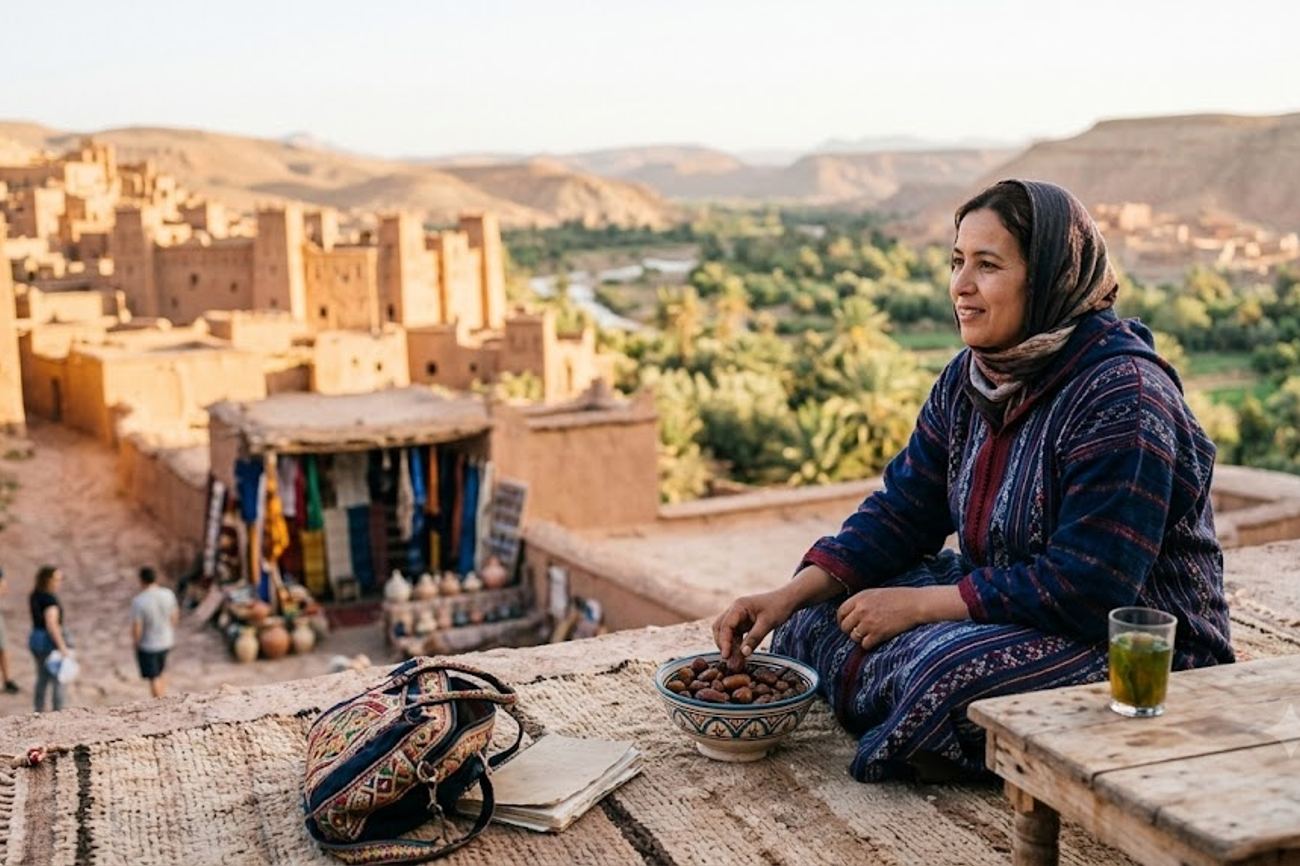
Image generated by AI
While many countries in the Mediterranean are losing tourists, many in Africa are gaining. Rwanda has shown other African countries how to successfully encourage eco-tourism and conservation while still being an attractive destination for tourists and making a profitable industry. Morocco is also changing its tourism policy to be more like Rwanda’s. By pushing tourists to other areas and giving more remote areas of a country the benefits of tourism, Morocco and other African countries can better protect the areas that tourists are going to, all while increasing the number of tourists they have. Africa is quickly becoming a very desirable continent for tourism, and countries are encouraging their tourism industries responsibly and in ways that improve the local communities and economies.
Background: The Paradigm Shift in African Tourism
For decades, global travel patterns were largely dictated by sheer volume and aggressive expansion. Destinations across the northern hemisphere, particularly along the Mediterranean basin, championed mass tourism models that fiercely prioritised rapid headcount growth over long-term environmental equilibrium. However, as of August 2026, the structural foundation of international travel has shifted dramatically. Seeking absolute authenticity, profound ecological consciousness, and a necessary respite from the heavily overcrowded European capitals, international visitors are turning their attention southward. As Africa embraces slow travel, the continent is entirely rewriting the geopolitical rulebook on how sovereign nations can welcome international guests without sacrificing their irreplaceable natural heritage or compromising their unique cultural integrity.
The traditional African safari model, which was historically rooted in foreign ownership and colonial-era exclusivity, has undergone a fundamental, continent-wide transformation over the last decade. Today, progressive governments are prioritising a post-independence foreign exchange strategy that champions grassroots community engagement, robust wildlife conservation, and rural economic empowerment. This paradigm shift is certainly not a mere marketing exercise; it is a strict economic necessity for survival. By aggressively shifting the operational focus away from superficial, rapid-transit holidays toward highly immersive, culturally rich experiences, African nations are definitively safeguarding their fragile ecosystems while simultaneously driving unprecedented economic development across historically marginalised provinces.
Moving Away from Mass Market Models
The rapid transition away from mass tourism is largely driven by a growing, widespread global awareness of the severely detrimental impacts of over-tourism on local populations. Major cities across the globe have witnessed first-hand how unchecked visitor numbers can rapidly degrade civic infrastructure, drastically inflate local housing markets, and completely erode the very cultural authenticity that originally attracted visitors in the first place. Recognising these severe socio-economic risks, African tourism ministries are proactively implementing defensive policies to avoid the devastating pitfalls currently plaguing their European counterparts.
Morocco's efforts to adopt slow travel and better distribute tourism are in line with other African countries, such as Rwanda, which have implemented similar initiatives to promote sustainable tourism. The Moroccan National Tourist Office provides information on the country's tourism strategy, which can be found on their official website: visit the official website of the Moroccan National Tourist Office for more details. This approach aims to reduce the environmental impact of tourism and promote cultural exchange between visitors and local communities.
In this progressive new era, the continental focus has pivoted aggressively toward sustainable travel, where the long-term longevity and health of the destination takes ultimate precedence over immediate, short-term corporate profits. This structural shift requires an incredibly delicate governmental balancing act: regulatory bodies must build the necessary logistical infrastructure to welcome tens of millions of visitors while strictly regulating and minimising their collective environmental footprints. By embracing lower-impact, high-value models, nations are ensuring that their spectacular natural landscapes—from the sweeping, arid dunes of the Sahara Desert to the incredibly verdant, mist-covered rainforests of the Albertine Rift—remain perfectly pristine for all future generations to enjoy.
The Definition and Appeal of Slow Travel
At its fundamental core, slow travel is a comprehensive philosophical approach that heavily encourages visitors to immerse themselves deeply in a single, specific region rather than rapidly and superficially checking off a vast list of global landmarks. It advocates strongly for extended, meaningful stays, a heavy reliance on local public transport, the dedicated consumption of regionally sourced and seasonal food, and fostering profoundly meaningful interactions with resident, indigenous communities.
The passenger logistics for slow travel in Morocco are being improved through investments in transportation infrastructure, including the expansion of the Casablanca Mohammed V International Airport and the development of new rail lines. These improvements will enable visitors to travel more easily and sustainably throughout the country, reducing their reliance on private vehicles and minimizing their carbon footprint. Additionally, the Moroccan railway company, ONCF, offers a range of train services that connect major cities and tourist destinations.
As Africa embraces slow travel, this highly respectful ethos is becoming deeply embedded within the DNA of the continent’s rapidly expanding hospitality sector. Visitors are actively seeking out niche experiences that allow them to deliberately disconnect from the frantic, digitally obsessed pace of modern urban life and organically reconnect with raw nature and ancient local traditions. This measured approach not only provides a far more spiritually enriching experience for the modern traveller, but it also strictly ensures that tourist expenditure circulates directly within the local, micro-economy. Consequently, this fosters highly authentic community development, drives rural infrastructure improvements, and directly accelerates poverty alleviation at the absolute grassroots level.
Rwanda’s Pioneering Eco-Luxury Engine
When analysing the successful implementation of sustainable tourism frameworks on a global scale, Rwanda unequivocally stands out as the African continent’s undisputed regulatory pioneer. Following years of meticulous planning, the nation has engineered a robust tourism sector where high-end luxury travel, stringent ecological conservation, and expansive community development are not viewed as competing interests, but rather as deeply integral, symbiotic components of the exact same economic engine. In 2024, Rwanda’s travel and tourism sector contributed a staggering, record-breaking USD 1.5 billion to the national economy, representing an incredibly impressive 9.8% of the country’s total Gross Domestic Product (GDP).
Tourism insights suggest that slow travel and better distributed tourism can have numerous benefits for local economies and communities, including the creation of new job opportunities and the preservation of cultural heritage. The Rwanda Development Board provides information on the country's tourism policy and its efforts to promote sustainable tourism, which can serve as a model for other African countries. By adopting similar approaches, countries like Morocco can reduce the negative impacts of mass tourism and create a more positive and sustainable experience for visitors and locals alike.
This remarkable, nation-building achievement did not happen by historical accident. Stripping away the often superficial, greenwashed branding frequently associated with global eco-tourism, the highly successful Rwanda eco-luxury model openly acknowledges an uncomfortable, yet vital truth: if a specific destination does not generate sufficient capital revenue to actively protect its natural assets, it simply will not survive the century. By strictly mandating that high-end, international hospitality operators maintain incredibly low, tightly monitored environmental footprints while simultaneously actively funding local reforestation and community upliftment projects, Rwanda has successfully closed the vital loop between elite luxury tourism and grassroots environmental conservation.
The Gorilla Trekking Conservation Loop
The most globally prominent and universally celebrated example of Rwanda’s highly successful strategy is its uncompromising approach to mountain gorilla conservation within the boundaries of Volcanoes National Park. In this specific region, gorilla trekking plays a direct, heavily measurable, and utterly indispensable role in funding national environmental protection. The governmental pricing structure for daily trekking permits is deliberately set exceptionally high, effectively capping daily visitor numbers to strictly minimise human biological impact on the incredibly fragile primate habitats, while simultaneously maximising the total conservation revenue generated per capita.
Crucially, this entire system operates on a strictly enforced, legally mandated revenue-sharing model that benefits the poorest rural citizens. A significant percentage of
FAQ: Morocco Follows Rwanda and Others as Afr 2026
What is slow travel in Morocco? Emphasizes local experiences and cultural immersion.
How does it benefit local communities? Supports local economies and preserves traditional ways.
What are popular slow travel destinations? Marrakech, Fez, and Atlas Mountains are top choices.
How can travelers adopt slow travel practices? Stay longer, engage locally, and respect environments.
Related Travel Guides
- Curaçao Aligns With Jamaica And More Countries To Propel Aruba Tourism GDP Over 24% Through Global Demand, Cruise Growth And Aviation Links
- Dominica Tourism Campaign Hits Times Square With a Powerful New Pitch for Nature-Led Caribbean Travel
- Maldives Emerges Alongside Japan and Asia’s Leading Tourism Economies as High-Spending International Tourists Drive Value
Disclaimer
This article is for informational and educational purposes only. It does not constitute legal, financial, or professional advice. While we strive to provide accurate and up-to-date information, travel policies, regulations, and conditions change rapidly. Always verify information with official sources before making travel decisions. Nomad Lawyer makes no representations about the accuracy, reliability, completeness, or suitability of the information provided. Readers should consult qualified professionals for advice specific to their circumstances. The views expressed in this article are those of the author and do not necessarily reflect the views of Nomad Lawyer.
Preeti Gunjan
Contributor & Community Manager
A passionate traveller and community builder. Preeti helps grow the Nomad Lawyer community, fostering engagement and bringing the reader experience to life.
Learn more about our team →