
Costa Rica and Panama Transform Off Season Wildlife Tourism With New Green Season Travel Trend
Costa Rica and Panama Transform Off Season Wildlife Tourism With New Green Season Travel Trend

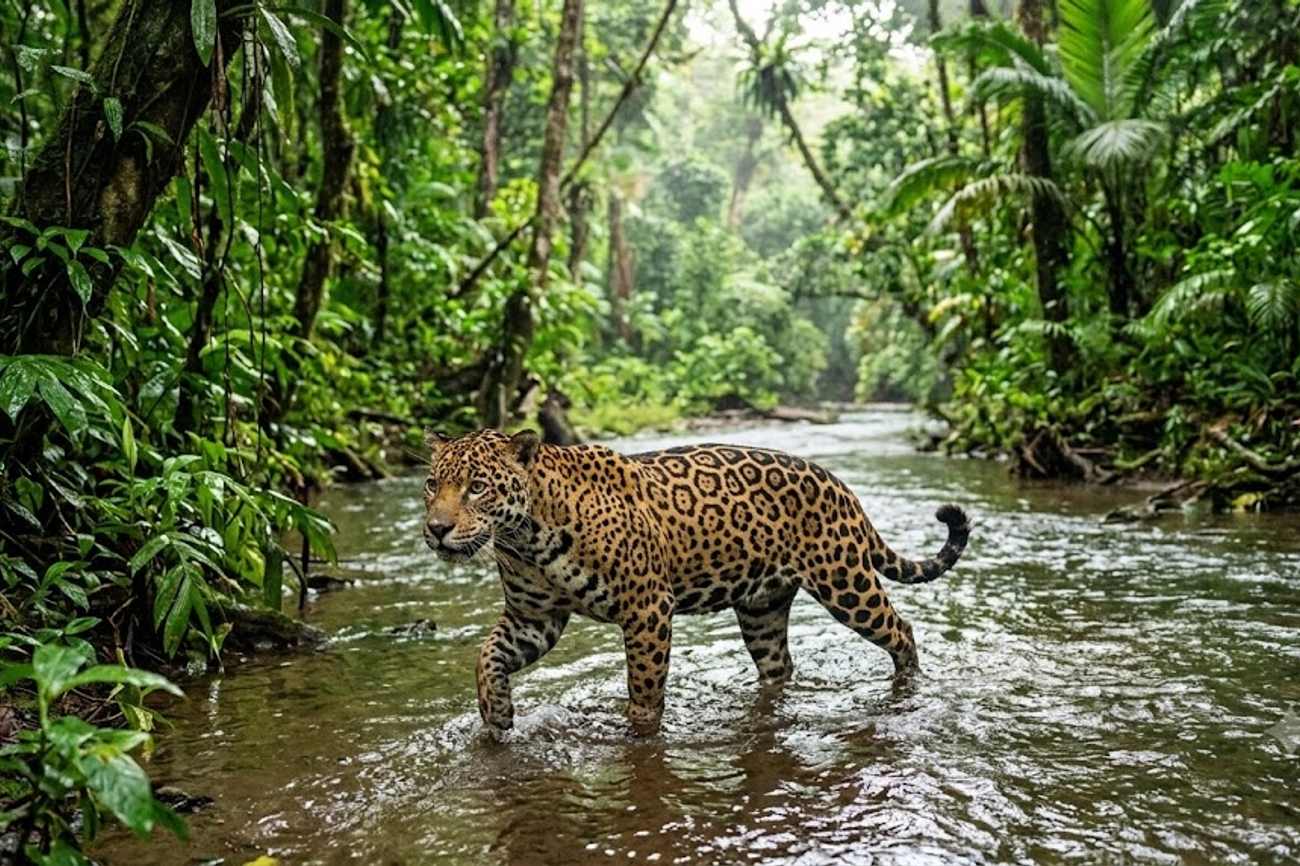
Image generated by AI
Central American tourism occupancy rates historically plummeted between May and November, but recent data indicates a flattening of this seasonal curve as "Green Season" demand rises to challenge traditional winter peaks. This shift represents a strategic pivot from volume-based tourism to value-based ecological experiences, moving the region away from a binary "high/low" season model toward a year-round biodiversity economy.
The Green Season in Numbers: Biodiversity as a Market Driver
The transition of the May to November window from a dormant period to a prime wildlife corridor is not merely a marketing shift; it is a response to specific biological triggers that create high-value tourism products. The region is leveraging four primary ecological drivers to attract a more affluent, eco-conscious demographic:
- Marine Reproductive Cycles: The nesting patterns of sea turtles along the Pacific and Caribbean coasts provide a non-negotiable calendar event that forces travel into the traditional off-season.
- Amphibian Activity: Increased precipitation levels trigger peak activity for rare amphibians and tree frogs, creating a niche market for herpetologists and nature photographers.
- Avian Migration: The movement of migratory birds through Central American wetlands and forests creates a seasonal surge in birdwatching tourism, a sector known for higher-than-average per-trip spending.
- Vegetation Density: The transformation of rainforests into high-saturation green landscapes increases the aesthetic value of the destination for luxury eco-lodges, which are now pricing "Green Season" experiences as premium offerings rather than discounted clearances.
This movement aligns with global data from the World Tourism Organization (UNWTO), which shows a systemic increase in demand for nature-based tourism as travelers seek to avoid the overcrowding associated with traditional peak periods. By repositioning rainfall as a biological asset rather than a logistical hindrance, Costa Rica, Panama, Nicaragua, and Guatemala are effectively diversifying their revenue streams.
Comparative Regional Analysis: The Biodiversity Pivot
Historically, the Central American market operated on a strict seasonality index where Q1 and Q4 captured the vast majority of international arrivals. The current trend shows a redistribution of these arrivals across the May-November corridor. While traditional luxury resorts previously offered deep discounts to fill rooms during the rains, the new "Eco-Lodge" model focuses on immersive, conservation-led programming that maintains higher Average Daily Rates (ADR).
The following table illustrates the shift in value proposition across the key markets adopting this strategy:
| Destination | Traditional Low-Season Perception | Green Season Value Proposition | Primary Biological Driver |
|---|---|---|---|
| Costa Rica | Rainy/Inaccessible | Rainforest Peak & Turtle Nesting | Amphibians & Sea Turtles |
| Panama | High Humidity/Rain | Tropical Ecosystem Immersion | Migratory Bird Patterns |
| Nicaragua | Quiet/Under-visited | Biodiversity-Focused Adventure | Volcano-Forest Synergy |
| Guatemala | Weather-restricted | Cloud Forest Exploration | Protected Area Biodiversity |
When compared to other tropical regions, this strategy mirrors the "shoulder season" optimization seen in Southeast Asia, but with a heavier reliance on specific wildlife events. According to IATA trends, there is a growing correlation between sustainable travel certifications and the willingness of passengers to travel during non-peak weather windows, provided the experience is framed as "exclusive" or "biologically unique."
Practical Traveler Advisory and Strategic Insights
For the individual traveler, the data suggests that the "low season" is no longer simply about finding the cheapest flight; it is about accessing biological events that are physically impossible to witness in December or January.
Booking Strategy for Q2 and Q3: If you are planning a visit to Costa Rica or Panama between May and November, the window for booking high-end eco-lodges has tightened. Because these properties are now marketing "conservation packages" rather than "off-season discounts," availability for specialized wildlife tours—particularly sea turtle nesting and birdwatching—is filling up 3-4 months in advance.
Logistical Adjustments: Travelers must shift their expectations from "beach weather" to "biodiversity weather." This requires a specific investment in gear (waterproof equipment and moisture-wicking clothing) and a flexible itinerary. The data shows that rainfall in the Green Season is often episodic rather than constant, meaning that a flexible schedule allows travelers to capitalize on the "clear windows" that often follow heavy rain, when wildlife activity is at its absolute peak.
Value Optimization: While luxury eco-lodges are maintaining prices, mid-tier operators and local guides may still offer more competitive rates than in the winter peak. Travelers can optimize their budget by pairing high-cost, specialized conservation lodges with local community-led experiences, which are currently expanding to support the year-round tourism economy.
Forward Projection: The De-seasonalization of Central America
Based on current trajectory and the rise of the "conscious traveler" segment, we can project a continued erosion of the traditional low season. We are moving toward a "Calendar of Nature" model where travel is dictated by biological events (nesting, migration, blooming) rather than hemispheric weather patterns.
As more operators integrate conservation-focused programs—such as guided rainforest walks and local community immersion—the economic benefit will shift from large-scale resorts to decentralized eco-lodges. This redistribution of spending helps stabilize local employment, reducing the "boom and bust" cycle that has historically plagued Central American tourism workers.
Furthermore, as global temperatures shift, the "Green Season" may expand or shift in its timing. Data from Statista regarding global eco-tourism growth suggests that the market for sustainable travel is growing at a compound annual growth rate (CAGR) that outpaces traditional leisure travel. Central America is positioned to capture this growth by transforming its perceived weather liabilities into ecological assets.
FAQ: Central America Green Season [2024-2025]
Will travel prices increase during the Green Season? Yes, specifically for high-end eco-lodges and specialized wildlife tours. As these experiences are rebranded from "off-season" to "prime wildlife windows," the deep discounts of the past are being replaced by value-based pricing.
Is this the best time for wildlife photography? Absolutely. The increased biological activity, vibrant green landscapes, and specific events like sea turtle nesting make May through November the superior window for nature and wildlife photography compared to the drier months.
Which countries are leading this trend? Costa Rica and Panama are the primary drivers, utilizing their established eco-infrastructure, while Nicaragua and Guatemala are rapidly expanding their biodiversity-focused offerings to capture similar market share.
How should I plan my itinerary for the wetter months? Build in "buffer days" and maintain a flexible schedule. Use local guides who can adjust timing based on daily rainfall patterns to ensure you hit the peak windows for wildlife observation.
The transition from weather-based travel to biology-based travel marks the professionalization of the Central American eco-tourism sector.
Related Travel Guides
- El Salvador Surpasses Costa Rica and More With Record Tourism Growth in Central America in 2026
- Panama Boosts Tourism Growth With Stopover Program Driving 17% Visitor Rise
- Tulum Overtakes Cancun and All Other Destinations in Witnessing Declining Interest in Mexican Beach Tourism From International Tourists in 2026
Disclaimer
This article is for informational and educational purposes only. It does not constitute legal, financial, or professional advice. While we strive to provide accurate and up-to-date information, travel policies, regulations, and conditions change rapidly. Always verify information with official sources before making travel decisions. Nomad Lawyer makes no representations about the accuracy, reliability, completeness, or suitability of the information provided. Readers should consult qualified professionals for advice specific to their circumstances. The views expressed in this article are those of the author and do not necessarily reflect the views of Nomad Lawyer.
Naina Thakur
Contributor & Travel Specialist
Travel enthusiast and legal writer covering visa regulations, responsible tourism, and cultural journeys across global destinations.
Learn more about our team →