
Panama Boosts Tourism Growth With Stopover Program Driving 17% Visitor Rise
Panama Boosts Tourism Growth With Stopover Program Driving 17% Visitor Rise

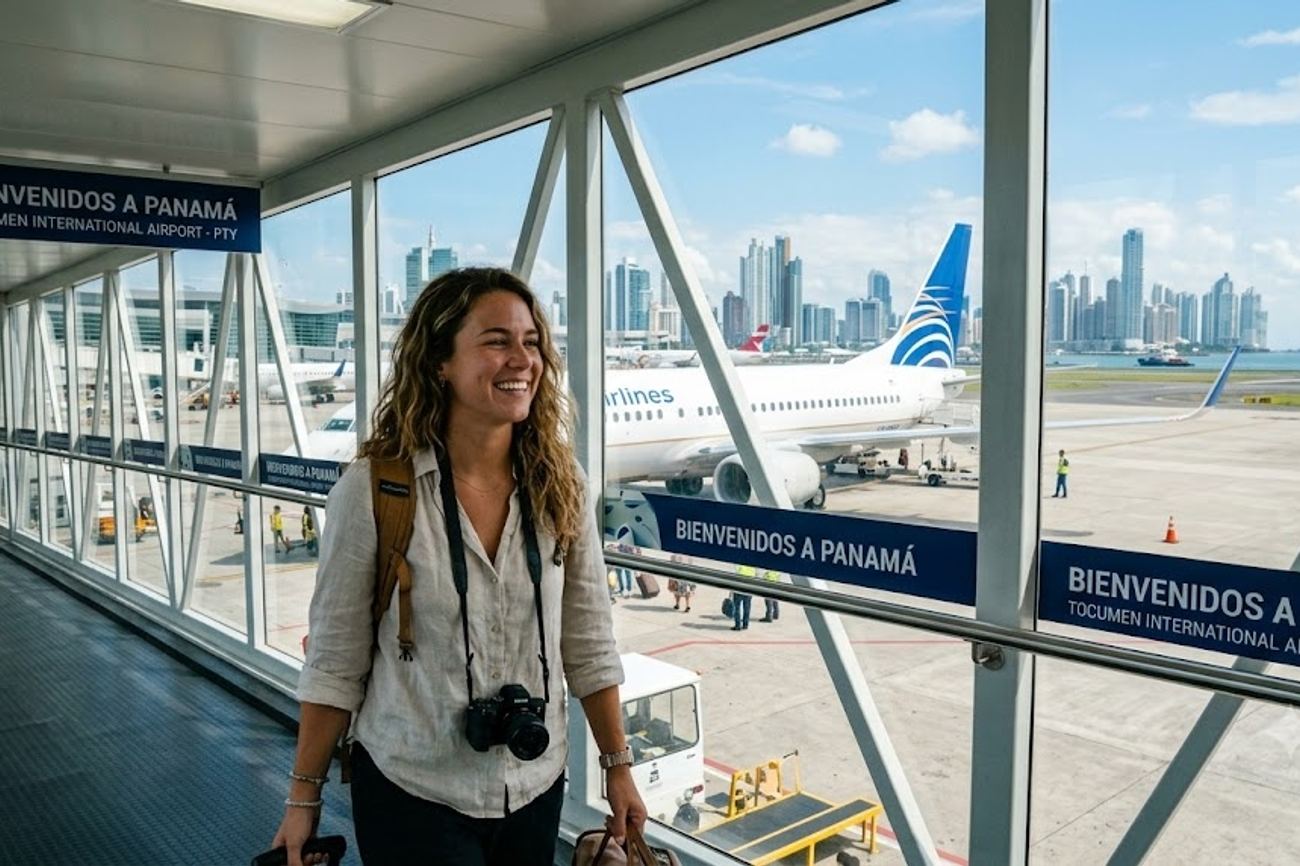
Image generated by AI
Panama Stopover Strategy Drives 17.4% Surge in International Arrivals
[Panama City, July 2026] — Panama has recorded a 17.4 per cent year-on-year increase in international visitors during the first half of 2026, welcoming 1.75 million travelers to the country. This growth is the direct result of the government's aggressive Stopover Program, which incentivizes transit passengers to convert short airport layovers into multi-day tourism stays.
The initiative leverages the strategic position of Tocumen International Airport (PTY), which processed 11.53 million passengers in the first six months of the year. By partnering with major carriers, most notably Copa Airlines, Panama is successfully pivoting from a mere transit point between North and South America into a primary destination. The economic windfall from this shift is substantial, with the tourism sector generating $3.5 billion in economic impact during the first half of 2026.
The Mechanics of the Stopover Program
The primary catalyst for this growth is the removal of financial barriers for connecting passengers. Under the Stopover Program, eligible travelers can extend their stay in Panama for several days without incurring additional airfare costs for their connecting flight. This allows the Panamanian government to capture a segment of the market that would otherwise spend only a few hours in the terminal.
By integrating destination marketing directly into the ticketing and transit process, Panama is effectively creating "accidental tourists." These are passengers whose original itinerary did not include a visit to Panama but who are swayed by the convenience and cost-neutral nature of the stopover option. This strategy allows the country to scale its visitor numbers without the need to establish entirely new international flight routes, instead maximizing the utility of existing traffic.
Market Impact and Visitor Metrics
The surge in arrivals has created a ripple effect across the national hospitality and service sectors. The increased volume of overnight guests has pushed hotel occupancy rates to 67.6 per cent for the first half of 2026. This demand is not limited to luxury hubs but is extending into diverse local businesses, including boutique hotels, regional tour operators, and culinary establishments.
The specific sectors benefiting from this influx include:
- Hospitality: A marked rise in occupancy rates across both urban and coastal resorts.
- Transport: Increased demand for airport transfers, car rentals, and internal transit.
- Local Commerce: Higher spending in retail, entertainment, and traditional markets.
- Guided Services: Growth in bookings for specialized tours of the Panama Canal and rainforests.
The distribution of these visitors is also diversifying. While many remain in the capital, the extended stay model encourages travelers to venture toward the Pacific and Caribbean coasts, spreading the $3.5 billion economic impact beyond the immediate vicinity of the airport.
Practical Traveler Advisory and Strategic Insights
For the modern traveler, this program transforms a tedious layover into a low-cost vacation. If you are booking a flight through Panama City, the "Stopover" option means you can effectively visit two destinations for the price of one airfare.
Practical implications for current bookings:
- Cost Efficiency: You can exit the airport, stay in a hotel, and explore the city without paying a penalty or increasing your ticket price for the second leg of your journey.
- Itinerary Flexibility: Travelers can now realistically add a 2-to-4 day excursion to see the Panama Canal or visit Casco Viejo without disrupting their primary travel goals.
- Simplified Logistics: Because the program is integrated with airlines like Copa, the process of adding a stopover is handled during the booking or check-in phase rather than requiring a separate set of tickets.
The Role of Aviation Infrastructure
The success of the tourism surge is inextricably linked to the operational capacity of Tocumen International Airport. Handling 11.53 million passengers in six months requires significant infrastructure, and the airport's ability to manage this volume while facilitating easy exits for stopover tourists is a key component of the strategy.
Panama is utilizing its status as the "Hub of the Americas" to compete with other regional gateways. By combining business-centric connectivity with leisure-focused incentives, the country is creating a sustainable model where aviation infrastructure serves as the primary marketing tool for the national tourism board. The synergy between the Ministry of Tourism of Panama and airline partners ensures that the transit experience is seamless from the moment a ticket is purchased to the moment the passenger departs the country.
Future Trajectory of Panama Transit Tourism
Panama is now positioning itself as a blueprint for other nations with major transit hubs. The shift toward "connected travel experiences" reflects a broader global trend where travelers seek to maximize the value of long-haul flights by combining multiple destinations into a single trip.
Moving forward, the government is expected to further diversify the stopover offerings, potentially introducing themed packages (such as ecological or culinary tours) that are pre-integrated into airline booking engines. The goal is to move beyond the 1.75 million visitor mark by continuing to convert the millions of annual transit passengers into paying overnight guests. As hotel occupancy climbs toward 70 per cent, the focus will likely shift toward expanding accommodation capacity in outlying regions to prevent over-tourism in Panama City.
FAQ: Panama Stopover Program 2026
Do I have to pay extra for my flight if I choose a stopover? No. The core benefit of the Stopover Program is that eligible transit passengers can extend their stay in Panama without paying additional airfare for their connecting flight.
Which airline is the primary partner for this program? Copa Airlines is the lead partner, offering integrated options for passengers to include a Panama visit as part of their international travel plans.
What are the most popular sites for stopover visitors? Travelers frequently visit the Panama Canal, the historic Casco Viejo district in Panama City, and various rainforest and coastal destinations on both the Pacific and Caribbean sides.
How long can I stay in Panama under the stopover initiative? While the program encourages "extra days," the specific duration depends on your flight itinerary and the terms of your airline ticket. Most travelers utilize the program for short-term visits of a few days.
Panama is successfully proving that the shortest distance between two points is a profitable detour.
Related Travel Guides
- Tulum Overtakes Cancun and All Other Destinations in Witnessing Declining Interest in Mexican Beach Tourism From International Tourists in 2026
- Toronto Goes Hand in Hand With Vancouver and More as Canada Tourism Eyes 6% Spending Surge Despite Hotel Investment Crunch in 2026
- Georgetown, Colorado Flips Autumn Tourism Chaos Into A Golden Opportunity With Smart Guanella Pass Visitor Strategy
Disclaimer
This article is for informational and educational purposes only. It does not constitute legal, financial, or professional advice. While we strive to provide accurate and up-to-date information, travel policies, regulations, and conditions change rapidly. Always verify information with official sources before making travel decisions. Nomad Lawyer makes no representations about the accuracy, reliability, completeness, or suitability of the information provided. Readers should consult qualified professionals for advice specific to their circumstances. The views expressed in this article are those of the author and do not necessarily reflect the views of Nomad Lawyer.
Raushan Kumar
Founder & Lead Developer
Full-stack developer with 11+ years of experience and a passionate traveller. Raushan built Nomad Lawyer from the ground up with a vision to create the best travel and law experience on the web.
Learn more about our team →