
Tulum Overtakes Cancun and All Other Destinations in Witnessing Declining Interest in Mexican Beach Tourism From International Tourists in 2026
Tulum Overtakes Cancun and All Other Destinations in Witnessing Declining Interest in Mexican Beach Tourism From International Tourists in 2026

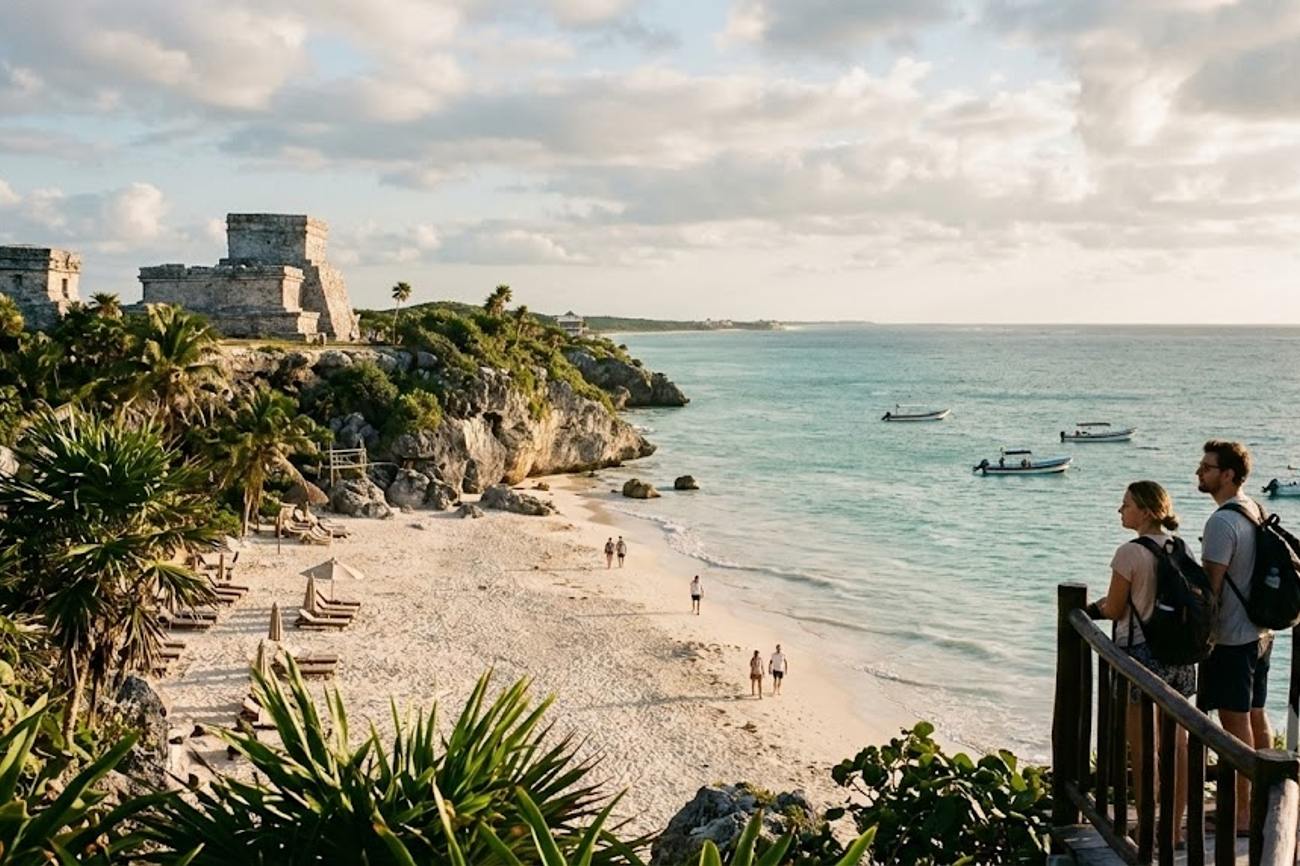
Image generated by AI
International air arrivals to Mexico's primary beach gateways plummeted by 5.7% in the first seven months of 2026, falling from 13.16 million to 12.41 million passengers. This contraction represents a systemic shift in traveler behavior, where the traditional "sun and sand" model is losing ground to urban hubs, with Mexico City recording a 2.7% increase in arrivals while the nation's most aggressive growth market, Tulum, suffered a catastrophic 42.6% collapse in international traffic.
The Beach Tourism Contraction in Numbers
The January–July 2026 data reveals a fragmented tourism economy. While the total international air arrival volume dropped by 749,700 passengers, the losses are not evenly distributed. The decline is concentrated in high-value resort markets, signaling a potential pivot in how international travelers—particularly those from the United States—are allocating their travel budgets.
Tulum has emerged as the epicenter of this decline. After a period of rapid infrastructure expansion, the destination saw arrivals crash from 220,669 in 2025 to 126,747 in 2026. This loss of 93,922 travelers represents the steepest percentage drop in the country. This volatility is characteristic of "new gateway" syndrome, where initial hype and capacity expansion outpace sustainable demand and airline connectivity.
Cancun, despite maintaining its status as the dominant gateway with a 44.7% market share, lost 332,904 arrivals. This 5.7% dip is significant given Cancun's scale; the raw volume of missing travelers exceeds the total 2026 arrivals for both Tulum and Cozumel combined. When viewed alongside the 21.1% plunge in Puerto Vallarta—which saw 1.15 million arrivals shrink to 910,468—a pattern of "beach fatigue" or regional instability emerges.
Comparative Market Analysis: Resorts vs. Urban Hubs
The divergence between leisure-centric beach destinations and diversified urban centers is stark. While resort markets are struggling with reduced airline capacity and environmental pressures, Mexico City has managed to grow its international air arrivals by 2.7%, adding 59,762 passengers. This suggests a transition toward "city-break" tourism or business-led travel, moving away from the traditional all-inclusive resort model.
The following table illustrates the year-over-year volatility across Mexico's primary international gateways:
| Destination | 2025 Arrivals (Jan-July) | 2026 Arrivals (Jan-July) | Absolute Change | YoY % Change |
|---|---|---|---|---|
| Tulum | 220,669 | 126,747 | −93,922 | −42.6% |
| Puerto Vallarta | 1,153,434 | 910,468 | −242,966 | −21.1% |
| Mazatlan | 95,128 | 83,573 | −11,555 | −12.1% |
| Los Cabos | 1,432,513 | 1,320,220 | −112,293 | −7.8% |
| Cancun | 5,878,274 | 5,545,370 | −332,904 | −5.7% |
| Cozumel | 128,518 | 123,307 | −5,211 | −4.1% |
| Guadalajara | 830,258 | 809,298 | −20,960 | −2.5% |
| Mexico City | 2,235,778 | 2,295,540 | +59,762 | +2.7% |
This data indicates that the "premium" segment is not immune. Los Cabos, which caters to high-net-worth individuals, saw a 7.8% contraction. According to global aviation trends tracked by OAG, shifts in airline capacity often precede demand drops, suggesting that carriers may be reallocating seats away from Mexican beach hubs toward other Caribbean alternatives or domestic US routes.
Practical Traveler Advisory and Strategic Insights
The sharp decline in arrivals, particularly in Tulum and Puerto Vallarta, creates a buyer's market for the individual traveler in the short term. With hotel expansion in Tulum continuing despite a 42.6% drop in air arrivals, there is a massive oversupply of luxury accommodation.
Actionable Booking Advice:
- Leverage Oversupply: If visiting Tulum or Puerto Vallarta in late 2026, expect aggressive discounting and "value-add" packages from resorts struggling to fill rooms. Now is the time to negotiate luxury upgrades.
- Monitor Flight Availability: The decline in arrivals is partly driven by reduced connectivity. Travelers should book flights at least 12 weeks in advance, as airlines may cut frequencies on routes that are underperforming.
- Diversify Destinations: The data shows Mexico City and Guadalajara are more resilient. Travelers seeking stability and consistent service levels should consider urban-centric itineraries.
- Environmental Timing: With sargassum issues impacting the Quintana Roo belt (Cancun and Tulum), travelers should check real-time seaweed trackers before booking beach-front properties to avoid the environmental factors currently depressing demand.
Forward Projection: The Pivot to Diversified Tourism
The current trajectory suggests that Mexico is entering a "correction phase." The aggressive growth seen in the early 2020s—particularly the rapid build-out of Tulum—was predicated on an endless increase in US-originating air demand. However, with IATA reporting shifting global travel patterns and increased competition from other Caribbean nations, the reliance on a few massive beach hubs is becoming a liability.
We expect to see a continued drift toward "secondary" and "urban" tourism. Guadalajara's mild 2.5% decline compared to Puerto Vallarta's 21.1% crash proves that diversified economies (business + leisure) are better equipped to handle economic headwinds than pure-play resort markets. Over the next 24 months, we anticipate a strategic shift in airline scheduling, with more capacity moving toward Mexico City and potentially smaller, "boutique" regional airports to avoid the congestion and environmental pitfalls of the Cancun-Tulum corridor.
Furthermore, the data from UNWTO suggests a global trend toward sustainable and experiential travel. The collapse of Tulum's air arrivals may be a leading indicator that travelers are rejecting over-developed "tourism bubbles" in favor of more authentic or less crowded experiences.
FAQ: Mexico Tourism Trends 2026
Will hotel prices in Tulum drop? Yes. The 42.6% drop in air arrivals combined with rapid hotel expansion has created a significant supply-demand imbalance. Travelers should see lower rates and more competitive offers through the end of 2026.
Is it still a good time to visit Cancun? Yes, but with caveats. While arrivals are down 5.7%, it remains the primary gateway. However, travelers should be aware of sargassum issues and potential reductions in flight frequencies from the US.
Which Mexican destinations are currently the most stable? Mexico City is the most stable, showing a 2.7% growth in international arrivals. Guadalajara also shows high resilience with only a 2.5% dip, making both safer bets for consistent travel infrastructure.
Why are air arrivals falling so sharply in Puerto Vallarta? The 21.1% decline is driven by a combination of reduced airline capacity, higher holiday costs, and increased competition from other beach destinations in the North American market.
The era of the unchecked resort boom is ending; the era of the diversified itinerary has arrived.
Related Travel Guides
- Toronto Goes Hand in Hand With Vancouver and More as Canada Tourism Eyes 6% Spending Surge Despite Hotel Investment Crunch in 2026
- Georgetown, Colorado Flips Autumn Tourism Chaos Into A Golden Opportunity With Smart Guanella Pass Visitor Strategy
- San Francisco Stands With New York City and Other US Cities in Hammering Mexican Tourism With a Drop in Tourist Arrivals for Eight Consecutive Months in 2026
Disclaimer
This article is for informational and educational purposes only. It does not constitute legal, financial, or professional advice. While we strive to provide accurate and up-to-date information, travel policies, regulations, and conditions change rapidly. Always verify information with official sources before making travel decisions. Nomad Lawyer makes no representations about the accuracy, reliability, completeness, or suitability of the information provided. Readers should consult qualified professionals for advice specific to their circumstances. The views expressed in this article are those of the author and do not necessarily reflect the views of Nomad Lawyer.
Kunal K Choudhary
Co-Founder & Contributor
A passionate traveller and tech enthusiast. Kunal contributes to the vision and growth of Nomad Lawyer, bringing fresh perspectives and driving the community forward.
Learn more about our team →