
Spain and Portugal Tighten Cruise Ship Rules to Combat Overtourism in 2026
Spain and Portugal lead a European shift toward strict cruise ship caps and passenger taxes to mitigate overtourism in Mallorca, Lisbon, and beyond.

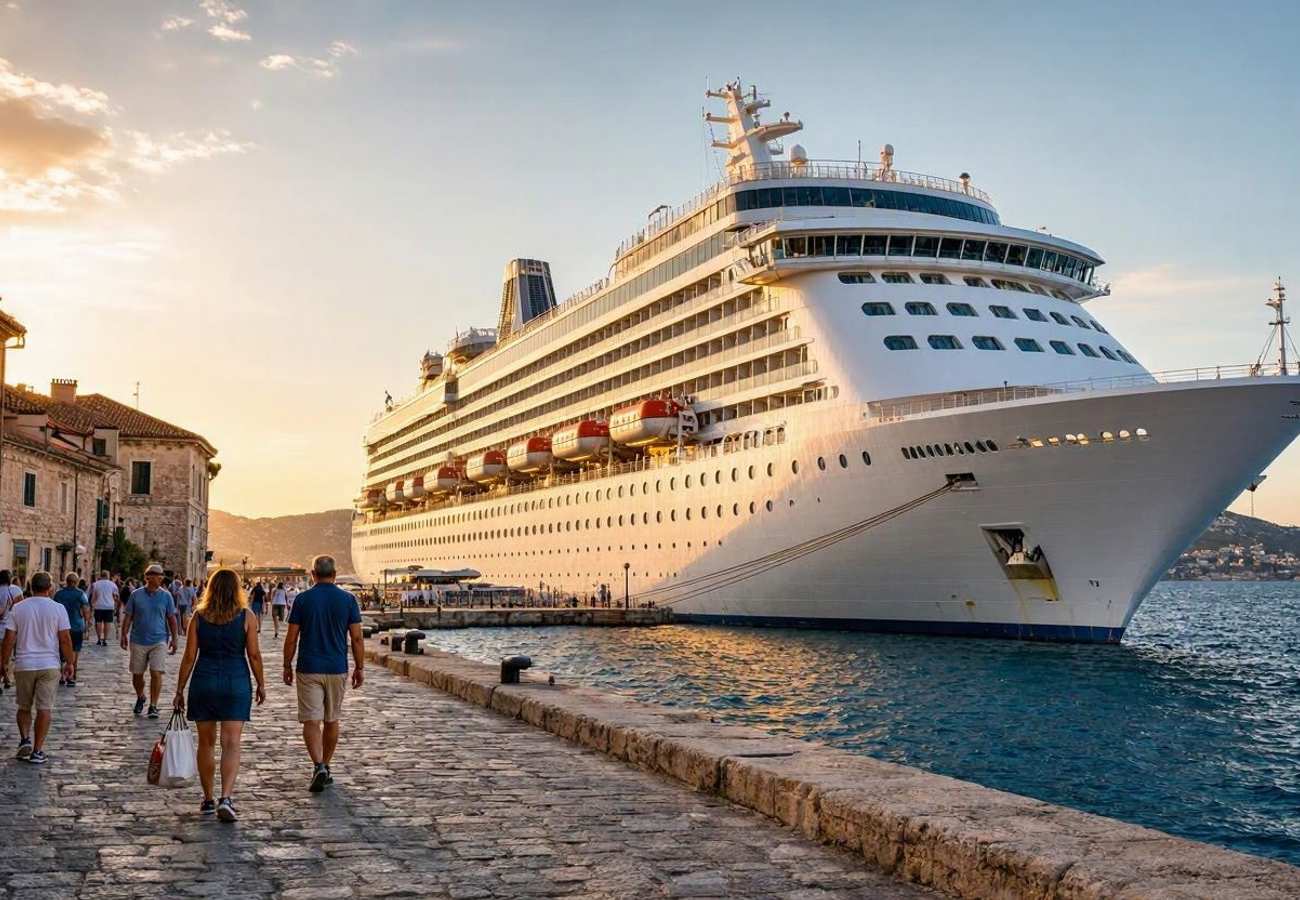
Image generated by AI
Cruise passengers make up just over 9% of Mallorca's annual visitors, yet their concentrated arrival in central Palma creates a disproportionate impact on local infrastructure. This realization has pushed Spanish and Portuguese authorities to move beyond welcoming unlimited growth, pivoting instead toward a model of managed capacity.
The European Shift Toward Managed Cruise Arrivals
Across the Mediterranean and North Atlantic, the era of the "unlimited" cruise port is ending. Spain and Portugal are now spearheading a coordinated effort to curb the environmental and social pressures caused by mega-ships. This isn't just about reducing numbers; it is a strategic attempt to preserve the quality of life for residents while maintaining the economic contributions of international travelers.
In Mallorca, a new framework agreed upon with the Cruise Lines International Association now dictates a strict ceiling: no more than three ships can dock per day, with a total passenger limit of 7,500. To prevent the "tsunami" effect of thousands of people hitting the streets at once, the island now permits only one mega-ship (those carrying over 5,000 passengers) within that daily quota.
This trend is mirrored in other hubs. Barcelona is reorganizing its port by planning the closure of two central terminals to push cruise activity away from the city's most congested areas. Meanwhile, Valencia has restricted mega-ships from its primary municipal port entirely.
What Makes These Restrictions Different
Unlike previous tourism guidelines, the 2026 measures are grounded in hard numbers and financial penalties. We are seeing a transition from "suggestions" to "mandates."
In Portugal, Lisbon has introduced a flat €2 tax for every cruise passenger who disembarks. While the amount is modest, it establishes a precedent where the cruise industry pays directly for the infrastructure wear and tear it causes.
Greece has taken an even more aggressive financial approach. In the high-demand hubs of Santorini and Mykonos, passengers face a peak-summer charge of up to €20. This is designed to discourage the extreme concentrations of visitors that often paralyze these islands during July and August.
European Cruise Restriction Metrics 2026
| Destination | Primary Restriction | Key Data Point |
|---|---|---|
| Mallorca, Spain | Daily Ship/Passenger Cap | Max 3 ships / 7,500 passengers |
| Santorini, Greece | Daily Visitor Ceiling | Max 8,000 passengers |
| Amsterdam, NL | Call Reduction | 190 annual calls reduced to 100 |
| Lisbon, Portugal | Disembarkation Tax | €2 per passenger |
| Cannes, France | Ship Size Limit | No ships > 1,000 passengers in main harbor |
| Barcelona, Spain | Projected Tax (2030) | Potential increase to €30 per visitor |
| Norway | Community Tax | Local ports can apply 3% tourism tax |
| Iceland | Cabin Tax | ISK 1,000 per cabin per night |
Visitor Insider Tips
For those planning a Mediterranean or Atlantic cruise in 2026, the "hop-on, hop-off" experience is changing. Here is how to navigate the new landscape:
- Avoid the "Mega-Ship" Rush: If your itinerary includes Palma or Cannes, try to book smaller, luxury expedition ships. They are less likely to be impacted by the new caps and often have access to smaller ports that mega-ships are now banned from.
- Budget for "Hidden" Taxes: Many of these taxes are handled by the cruise line, but some local levies are paid upon disembarkation. Keep small denominations of Euros handy for ports in Greece and Portugal.
- Time Your Excursions: In cities like Barcelona and Nice, the push to move terminals means you may spend more time on shuttle buses. Book excursions that take you away from the city center immediately upon docking to avoid the crowds.
- Explore the "Secondary" Ports: With the UNESCO World Heritage sites in Venice and Dubrovnik facing strict limits, look for cruises that stop in smaller, regional ports. You'll find a more authentic experience and fewer restrictions.
- Check Port Authority Updates: Before sailing, check the Spain Official Tourism portal for the latest on terminal closures in Barcelona and Valencia.
Cultural and Environmental Context
The friction between the cruise industry and local populations has reached a breaking point. In places like Venice and Amsterdam, the environmental toll—ranging from air pollution to the physical erosion of historic foundations—has made the status quo untenable.
The introduction of "shore power" requirements in Amsterdam by 2027 is a prime example of the environmental push. By forcing ships to plug into the city's electrical grid rather than idling their engines, the city is tackling the smog that has long plagued its canals.
Culturally, the "hit-and-run" nature of cruise tourism—where thousands arrive for six hours, spend a small amount at souvenir shops, and leave—is being challenged. Local governments are now prioritizing "slow tourism," favoring visitors who stay in hotels and eat at family-owned trattorias over those who only visit the waterfront for a few hours.
FAQ: Visiting European Cruise Ports 2026
Will these new rules make cruises more expensive? Yes, likely. Between the new passenger taxes in Lisbon and Greece and the operational costs of using smaller ships or remote terminals, these costs will likely be passed down to the consumer via higher ticket prices.
Can I still visit Santorini and Mykonos? Absolutely, but you may face a €20 passenger tax during peak summer. Daily caps are in place to prevent overcrowding, so ensure your cruise line has a confirmed berth.
How do I get from the new Barcelona terminals to the city center? As central terminals close, you will rely more on official port shuttles and taxis. It is recommended to book transfers in advance through your cruise operator to avoid long queues.
Are these rules only for large ships? Mostly. The strictest caps in Cannes and Mallorca specifically target "mega-ships" (over 1,000 and 5,000 passengers, respectively). Smaller vessels often enjoy more flexibility.
The Mediterranean is no longer a free-for-all; it is becoming a curated experience where the privilege of visiting comes with a price tag and a limit.
Related Travel Guides
Disclaimer
This article is for informational and educational purposes only. It does not constitute legal, financial, or professional advice. While we strive to provide accurate and up-to-date information, travel policies, regulations, and conditions change rapidly. Always verify information with official sources before making travel decisions. Nomad Lawyer makes no representations about the accuracy, reliability, completeness, or suitability of the information provided. Readers should consult qualified professionals for advice specific to their circumstances. The views expressed in this article are those of the author and do not necessarily reflect the views of Nomad Lawyer.
Preeti Gunjan
Contributor & Community Manager
A passionate traveller and community builder. Preeti helps grow the Nomad Lawyer community, fostering engagement and bringing the reader experience to life.
Learn more about our team →