
Chile Establishes Humanitarian Aid Bridge to Support Colombia's Post-Earthquake Recovery
Chile has delivered an emergency relief package containing food, hygiene kits, and 27,000 units of medicine to Pereira, supporting Colombia's post-earthquake community and tourism recovery.

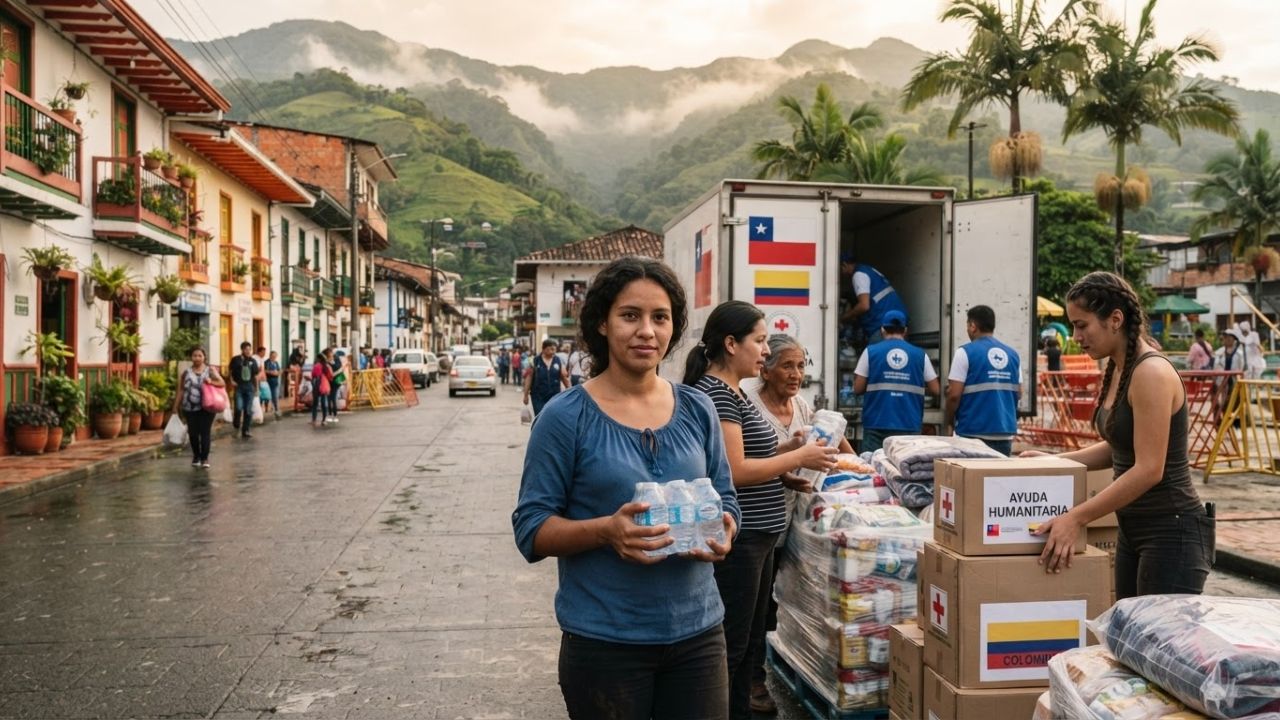
Image generated by AI
Chile has launched a humanitarian air bridge to Colombia, delivering critical emergency supplies to the city of Pereira following a devastating earthquake that damaged regional towns and disrupted local tourism. By supplying food kits, hygiene materials, and 27,000 units of medicine, the relief effort aims to stabilize affected communities and lay the foundation for restoring the region's vital coffee tourism sector.
Emergency Relief Cargo Arrives at Pereira's Matecaña Airport
The arrival of Chile’s emergency relief flight at Matecaña International Airport in Pereira marked a critical milestone in Colombia’s disaster response operations. The humanitarian shipment targeted the immediate physical needs of families affected by the powerful earthquake. The relief cargo included 320 food kits, 200 household hygiene kits, 346 personal hygiene kits designed for men, women, and children, and 27,000 units of critical medications.
Additionally, the Chilean Air Force flight crew cooperated with local Colombian Red Cross representatives and municipal workers to organize the immediate offloading and sorting of the cargo. The cargo was divided into regional batches to ensure that the supplies reached vulnerable mountain communities in Risaralda within hours of landing, establishing a rapid distribution network. Each component of the aid package was structured to address specific public health and basic survival needs. The food kits provide immediate sustenance for households whose daily routines and access to local markets were disrupted. The household and personal hygiene kits help maintain public health standards, reducing the risk of waterborne diseases in temporary shelters or damaged neighborhoods. Additionally, the 27,000 units of medicine strengthen the capacity of regional health clinics in the Risaralda department, ensuring that injured or displaced individuals receive prompt medical care.
Regional Solidarity and the Chile-Colombia Humanitarian Corridor
The creation of the humanitarian corridor between Chile and Colombia highlights the growing importance of regional cooperation in managing natural disasters. Located along the active seismic zones of the Andes, both nations share a long history of geological activity, creating a mutual understanding of the logistical challenges associated with earthquake response. Chile’s rapid mobilization demonstrates how regional partnerships can support local authorities when emergency demands exceed local resources.
This mission was authorized under the regional disaster assistance framework of the Organization of American States, which promotes rapid mutual assistance during environmental emergencies. By utilizing military transport planes to deliver civilian relief materials, both governments bypassed commercial shipping bottlenecks, setting a new benchmark for regional disaster cooperation in South America. This bilateral cooperation extends beyond short-term physical relief. By delivering pre-packaged kits and medical units directly to regional airports like Matecaña in Pereira, the Chilean government is helping Colombia stabilize its western provinces. This support allows local disaster response coordinators to focus on structural safety assessments, clearing vital transport routes, and restoring municipal services, rather than managing supply shortages. The collaborative response reinforces diplomatic connections while providing practical relief to communities facing recovery challenges.
Stabilizing the Heart of Colombia's Coffee Culture Heritage
The Eje Cafetero, or Coffee Triangle, is one of Colombia’s most important tourism assets and is recognized as a UNESCO World Heritage site. Encompassing the departments of Caldas, Risaralda, and Quindío, the region attracts international travelers with its colonial architecture, ecological reserves, and traditional coffee plantations (fincas). The earthquake has temporarily disrupted this tourism economy, damaging regional towns like Salento and Filandia and forcing temporary closures of local attractions for safety inspections.
In addition to the physical damage, the local hospitality sector faced a wave of immediate cancellations during the peak August travel season. Fincas cafeteras (coffee estates) that normally host daily tasting tours and overnight guests had to shift their resources to housing displaced workers. Re-establishing the safety of regional infrastructure is therefore vital to restore local livelihoods, as tourism is the primary source of foreign currency for these municipal departments. Restoring the tourism sector in the Eje Cafetero is essential for the region's long-term economic recovery, as thousands of local families depend on visitor spending. By helping to stabilize the resident population and rebuild local services, the humanitarian aid indirectly supports the resumption of tourism activity. Re-establishing normal operations in regional hospitality businesses, coffee tours, and transport networks is critical to bringing back travelers, helping small business owners, guides, and local entrepreneurs recover their livelihoods.
Visitor Guide: Coffee Region Dining, Favorable Windows, and Travel Security
Travelers planning to visit Colombia’s Coffee Triangle should monitor regional safety updates and plan itineraries that respect local communities. By choosing responsible travel habits, visitors can directly support the recovery of the local economy.
The best dry-season window to visit the Coffee Triangle is from December to March or from June to August, when hiking trails are dry and road conditions are optimal. During these months, travelers can take traditional "Willys" jeeps from the town square of Salento to explore the Cocora Valley, famous for its towering wax palms, which are the national trees of Colombia. Additionally, the natural thermal hot springs of Santa Rosa de Cabal offer therapeutic pools set within lush mountain valleys.
When dining in the region, try the Bandeja Paisa, the traditional signature dish of the coffee country. Originally designed as a high-energy meal for agricultural workers, this massive platter features red beans cooked with pork, white rice, ground meat, crispy chicharrón (pork belly), a fried egg, chorizo, sweet plantains, avocado, and an arepa. Other local specialties include Sancocho (a rich stew made with yuca, plantains, and chicken) and fresh mountain trout served with large crispy green plantain discs (patacones).
Following the recent seismic activity, travelers should monitor real-time updates from the National Unit for Disaster Risk Management (UNGRD) and Colombia’s Geological Service. Observe the local "No dar papaya" safety rule: remain aware of your surroundings and avoid displaying valuable electronics or jewelry in public spaces. In the event of an emergency, dial 123 to reach local police and medical services. If driving a rental car between Pereira, Manizales, and Armenia, check road conditions in advance, use navigation apps like Waze to avoid mountain road closures, and exercise caution on narrow, winding roads.
Long-Term Outlook: Rebuilding a Resilient Regional Travel Economy
The recovery of the Eje Cafetero’s tourism sector will require continued investment, infrastructure repairs, and targeted visitor marketing campaigns. Re-establishing international flight connectivity to Pereira's Matecaña Airport is a vital step toward restoring the region's pre-disaster tourism growth.
The Ministry of Commerce, Industry, and Tourism of Colombia has proposed a specialized recovery fund to support small-scale tourism operators. This initiative will provide low-interest credit lines to help hotel owners repair structural damage and train local guides in updated emergency response protocols. By reinforcing local businesses, the government aims to ensure that the coffee region remains competitive on the global stage once the immediate crisis has resolved. Ultimately, the long-term success of the regional travel economy depends on sustainable tourism practices that protect both the natural environment and local heritage. By directing visitor spending toward family-owned coffee farms, regional craft markets, and locally owned hotels, travelers can play an active role in supporting the earthquake recovery. Through regional cooperation, community resilience, and public safety infrastructure, Colombia is building a stronger foundation for its tourism sector, proving that destination recovery is achieved by prioritizing local community stability.
Related Travel Guides
Disclaimer
This article is for informational and educational purposes only. It does not constitute legal, financial, or professional advice. While we strive to provide accurate and up-to-date information, travel policies, regulations, and conditions change rapidly. Always verify information with official sources before making travel decisions. Nomad Lawyer makes no representations about the accuracy, reliability, completeness, or suitability of the information provided. Readers should consult qualified professionals for advice specific to their circumstances. The views expressed in this article are those of the author and do not necessarily reflect the views of Nomad Lawyer.
Raushan Kumar
Founder & Lead Developer
Full-stack developer with 11+ years of experience and a passionate traveller. Raushan built Nomad Lawyer from the ground up with a vision to create the best travel and law experience on the web.
Learn more about our team →