
Birendranagar Unveils Buddhist Heritage Tourism Potential at Kakre Vihar
Birendranagar, the capital of Nepal's Karnali Province, is positioning itself as an emerging religious tourism hub, highlighting the ancient Buddhist ruins of Kakre Vihar.

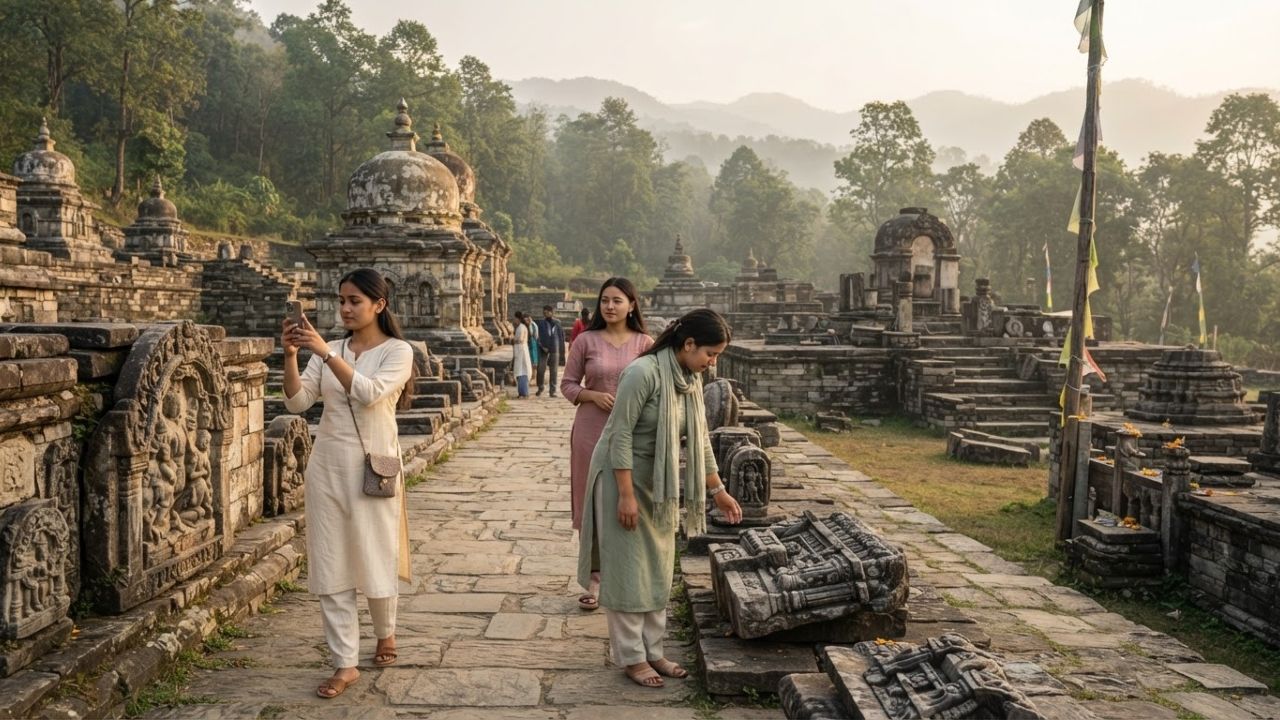
Image generated by AI
Birendranagar, the capital of Nepal's Karnali Province, is unveiling a major spiritual tourism expansion centered on the ancient Buddhist heritage site of Kakre Vihar. By integrating historic stone ruins with local cultural pathways and the sacred Deuti Bajai Temple, the regional government aims to establish a new pilgrimage circuit that connects travelers with under-explored facets of Himalayan faith.
Ancient Stone Art and the Kakre Vihar Heritage Site
Located in the Surkhet Valley of western Nepal, Kakre Vihar represents an extraordinary chapter in the country's diverse spiritual history. Unlike the well-known Buddhist pilgrimage hubs of Lumbini, Pashupatinath, Janakpurdham, Muktinath, Swargadwari, and Manakamana, this site offers a unique fusion of architectural styles. Kakre Vihar features the ruins of a 12th-century stone temple and monastery built in the shikhar style, surrounded by dense forests.
The site was originally discovered by Nepalese archaeologists in the late twentieth century, who unearthed thousands of carved stone blocks buried under soil and vegetation. Today, visitors can walk through an open-air gallery of these recovered stones, which feature images of peacocks, floral patterns, and geometric designs. The Department of Archaeology has proposed building a modern heritage museum on-site to house the most fragile carvings, protecting them from weathering and acid rain. The stone carvings and structural remains found at the site depict both Buddhist and Hindu deities, illustrating the deep historical synthesis of faiths that characterizes Nepalese culture. Intricate carvings of Buddha, alongside representations of Saraswati, Vishnu, and other deities, highlight the traditional craftsmanship of early Karnali builders. The Nepalese Department of Archaeology has engaged in research and restoration work at the site, rebuilding the central temple structure and documenting the stone carvings to protect this cultural asset for future generations.
Creating a Regional Pilgrimage Circuit in Karnali Province
The religious identity of Birendranagar is not defined by Kakre Vihar alone. The Surkhet Valley is home to the Deuti Bajai Temple, a highly revered Hindu temple dedicated to the goddess Deuti Bajai. This temple holds a unique position in local traditions because its main priests are members of the indigenous Raji community, reflecting a distinctive cultural heritage. The temple attracts thousands of devotees during major festivals, particularly Dashain and Chaite Dashain, serving as a center of regional faith.
This local spiritual route is designed to appeal to both international tourists and domestic pilgrims from neighboring districts like Dailekh and Jajarkot. The regional government is collaborating with local travel agencies to offer guided pilgrimage packages that include luxury transport, eco-friendly accommodation, and spiritual meditation sessions led by Buddhist monks. This initiative helps to place Birendranagar on the national tourism map, attracting travelers who seek spiritual healing and peace. By connecting Kakre Vihar with the Deuti Bajai Temple and nearby Bulbule Tal, a natural spring-fed lake and park, Birendranagar is developing a comprehensive spiritual tourism circuit. This regional route offers travelers a diverse experience that combines archaeological exploration, traditional temple visits, and nature-based travel. Establishing this circuit encourages visitors to spend more time in the Surkhet Valley, helping to distribute tourism benefits to local hospitality and transport operators who serve the region.
Community Development and the Karnali Tourism Economy
The expansion of religious tourism in Birendranagar provides significant opportunities for community-based economic growth. Tourism in Karnali Province supports multiple local sectors, including family-owned guesthouses, handicraft artisans, and transport providers. By actively involving resident communities in tourism development, the regional government aims to ensure that economic benefits directly reach local households.
The local Tharu community has also established a cultural cooperative that organizes evening dance performances and traditional cooking workshops for tourists. Visitors can learn how to prepare Tharu-style dishes using organic ingredients sourced from surrounding farms. These community-led initiatives ensure that tourism revenue is directly reinvested in local schools, water systems, and medical clinics, promoting sustainable development throughout the Surkhet Valley. One of the most effective models for sustainable growth is the promotion of homestay programs in villages around Birendranagar. These homestays allow visitors to experience the daily lives and traditions of the local Tharu and Khas communities, fostering mutual respect and cultural exchange. Additionally, local youths can access employment opportunities as certified tour guides, heritage interpreters, and hospitality staff, reducing the need for out-migration and strengthening the capacity of the regional tourism sector.
Visitor Guide: Local Dining, Travel Connections, and Regional Etiquette
Navigating the Surkhet Valley requires attention to local customs, transport options, and regional specialties. By observing these guidelines, visitors can enjoy a safe, respectful, and authentic experience.
The best time of year to visit Birendranagar is during the autumn and winter months, from October to March, when the weather is cool and clear. Surkhet Airport (SKH) operates domestic flights primarily connecting to Kathmandu, with Buddha Air offering regular direct flights that run multiple times a week to keep the region connected. Alternatively, travelers can reach Surkhet via a scenic drive along the Ratna Highway. Within the city, auto-rickshaws (tuk-tuks) are the most common transport option; negotiate the fare in advance, as meters are rarely used. Carry sufficient Nepalese rupees, as ATMs in the valley do not always accept international credit cards.
When exploring Birendranagar, sample local dining specialties that showcase the culinary heritage of the Karnali region. Try Dhindo, a traditional, high-energy porridge made from buckwheat or millet flour, served with spicy chicken curry and Gundruk (soup made from fermented leafy greens). Taste Marsi rice, a unique, nutritious red rice variety native to the high-altitude fields of Jumla, which is available in local Surkhet eateries.
Observe strict cultural etiquette when visiting religious sites. Dress modestly by covering shoulders and knees at both Buddhist and Hindu temples. Remove your shoes before entering the temple platforms, and walk around shrines in a clockwise direction. Always ask for permission before taking photographs of local devotees or sadhus. Avoid pointing your feet toward sacred objects, and show respect to the Raji community priests at the Deuti Bajai Temple. Pack out all trash when visiting the forested areas of Kakre Vihar and Bulbule Tal to preserve the natural environment.
Future Outlook: Positioning Surkhet on the Global Travel Map
The development of Birendranagar as a religious and cultural tourism hub is a key priority for Karnali Province’s development plans. By focusing on sustainable infrastructure, historical conservation, and community participation, the region is positioning itself as a distinct alternative to traditional Nepalese travel routes.
This long-term tourism vision is supported by the Ministry of Culture, Tourism, and Civil Aviation of Nepal, which has allocated special funds for Surkhet's airport expansion project. By lengthening the runway, the airport will be able to handle larger aircraft, reducing flight costs and increasing the frequency of direct flights from Kathmandu. This infrastructure boost will make Karnali Province more accessible to global travelers, establishing Birendranagar as a premier destination for cultural and spiritual discovery in South Asia. Ultimately, the long-term success of the regional visitor economy depends on preserving the cultural assets that attract travelers. By investing in heritage conservation, improving transport facilities at Surkhet Airport, and promoting eco-friendly travel practices, Birendranagar is creating a resilient foundation for its tourism sector, showing that spiritual travel and environmental protection can progress together.
Related Travel Guides
Disclaimer
This article is for informational and educational purposes only. It does not constitute legal, financial, or professional advice. While we strive to provide accurate and up-to-date information, travel policies, regulations, and conditions change rapidly. Always verify information with official sources before making travel decisions. Nomad Lawyer makes no representations about the accuracy, reliability, completeness, or suitability of the information provided. Readers should consult qualified professionals for advice specific to their circumstances. The views expressed in this article are those of the author and do not necessarily reflect the views of Nomad Lawyer.
Naina Thakur
Contributor & Travel Specialist
Travel enthusiast and legal writer covering visa regulations, responsible tourism, and cultural journeys across global destinations.
Learn more about our team →