
Russia Positions Trans-Siberian and Asian Rail Routes for Slow Tourism Growth
Russia is developing its passenger rail network into a slow travel destination, promoting Trans-Siberian routes and cross-border links with China, Central Asia, and India.

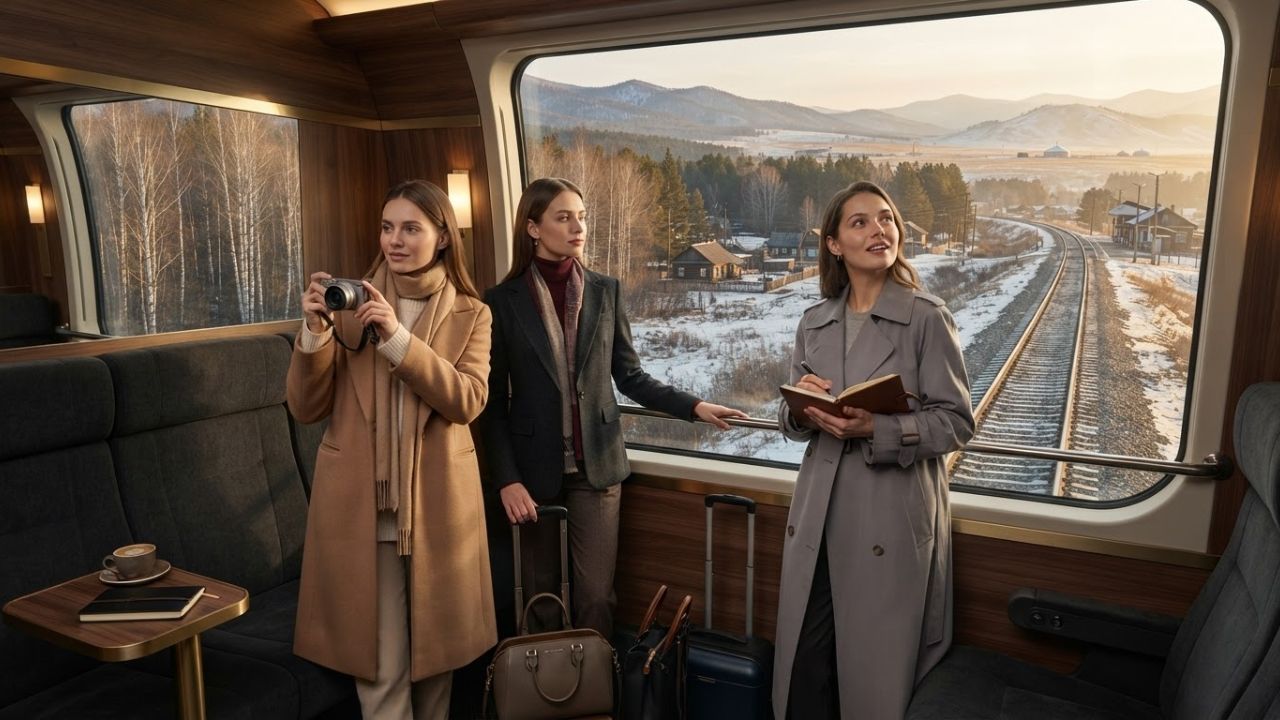
Image generated by AI
Russia is leveraging its vast national rail network to expand long-distance passenger travel, positioning the Trans-Siberian Railway and cross-border Asian corridors as premier destinations for slow tourism. By connecting remote Siberian landscapes with historical trading centers in Central Asia, China, and the Global South, the initiative aims to revive Silk Road overland journeys.
The Trans-Siberian Railway as an Overland Tourism Asset
Stretching across the vast territory of the Russian Federation, the Trans-Siberian Railway remains the centerpiece of Eurasian rail travel. Connecting Moscow with the Pacific port of Vladivostok, the route offers travelers a unique vantage point to witness the gradual transition of culture and geography. As the train moves past the Ural Mountains and deep into the Siberian wilderness, travelers experience a slow journey that stands in stark contrast to rapid air travel.
The main Trans-Siberian line runs across seven time zones, making the journey an exercise in temporal adjustment. To help passengers adjust, onboard schedules and dining car operations are kept on a regular cycle, while carriage attendants maintain quiet hours during the night. For many travelers, this slow tempo becomes a form of digital detox, allowing them to disconnect from online networks and focus on reading, writing, and contemplation. A highlight of the Trans-Siberian route is the Lake Baikal region, the world's deepest freshwater lake and a UNESCO World Heritage site. Stopping near the lake allows travelers to explore remote lakeside villages, interact with local Buryat communities, and experience the natural scenery of the Siberian taiga. The railway serves as a mobile community, where passengers from diverse backgrounds share meals and stories in the dining car, making the journey itself the primary destination.
The Russia-Mongolia-China Cross-Border Corridor
The railway links between Russia, Mongolia, and China represent one of the most culturally diverse long-distance routes in the world. Following the path of ancient trade routes, this corridor takes travelers from Moscow, through the Siberian city of Irkutsk, across the open grasslands of Mongolia, and into the historic center of Beijing. This multi-country journey highlights the cultural transition from European Russia to nomadic Mongolian traditions and China's dynastic heritage.
Additionally, the border crossing at Naushki involves rigorous customs inspections by both Russian and Mongolian officers, which can take up to four hours. During this wait, passengers are encouraged to remain in their compartments while passports are checked. This slow border protocol, though time-consuming, is considered an authentic part of the old-world overland travel experience, giving travelers time to write in their journals or chat with neighbors. The appeal of this route lies in its ability to show the historical connections between these neighboring nations. Travelers can explore the capital city of Ulaanbaatar, stay in traditional nomadic yurts in the Mongolian steppe, and visit ancient monuments in Beijing. By integrating international rail schedules, this corridor offers an authentic slow-travel experience, allowing passengers to appreciate the vast scale of the Eurasian continent at a relaxed pace.
Central Asian Gates and the Southward Expansion Vision
Central Asia serves as a critical gateway in the expansion of Eurasian rail tourism. The railway networks of Kazakhstan, Uzbekistan, and Turkmenistan connect northern Eurasia with southern markets, serving as a historic bridge between East and West. The region contains many ancient cities along the Silk Road, including Samarkand and Bukhara, which offer rich architectural and historical treasures for cultural travelers.
Additionally, the long-term vision of a passenger rail corridor connecting Russia with India via Central Asia and Iran represents an ambitious infrastructure goal. While currently focused on freight transit, developing this corridor for passenger travel would create a historic overland route crossing diverse geographical zones. Such a corridor would allow travelers to experience the deserts of Turkmenistan, the ancient historic sites of Iran, and the vibrant cultural heritage of India in a single, continuous journey, though implementing it requires substantial coordination between border control agencies.
Premium Rail Concepts and Regional Economic Growth
The growth of premium and luxury rail travel is transforming how travelers experience long-distance train journeys. Luxury trains, such as the Golden Eagle Trans-Siberian Express, offer private en-suite cabins, fine dining cars, and guided excursions at key stops. This premium travel model appeals to international visitors seeking comfort and deep cultural immersion, shifting the focus of the holiday from reaching a destination to enjoying the slow movement of the train.
This style of tourism also supports the economic development of remote communities situated along the rail lines. When passenger trains stop at regional stations, visitor spending is distributed to local vendors, craft cooperatives, and family-owned restaurants. Spreading tourism revenue away from major metropolitan centers to smaller Siberian and Central Asian towns promotes sustainable economic growth, helping local residents participate directly in the global visitor economy.
Visitor Guide: Onboard Etiquette, Dining, and Border Logistics
Traveling along the Trans-Siberian and Asian rail routes requires preparation regarding onboard traditions, local dining options, and international border procedures. By observing these guidelines, travelers can ensure a comfortable and respectful journey.
The best weather window for a Trans-Siberian journey is from May to September, when temperatures are comfortable and the Siberian wilderness is lush. Tickets can be booked directly through the official Russian Railways (RZD) portal; remember that timetables are displayed in Moscow Time, so verify local departure times carefully. Ensure you have obtained all necessary visas in advance, including Russian double-entry visas and Mongolian transit visas if taking the Trans-Mongolian route.
On board, respect the authority of the carriage attendant (provodnik or provodnitsa), who manages ticketing, cleanliness, and passenger safety. Every carriage is equipped with a samovar, a traditional hot water boiler at the end of the corridor, which is free to use for tea, coffee, or instant meals. Tea is traditionally served in a podstakannik, a classic metal glass holder designed to prevent spills while the train is in motion. Bring comfortable slip-on shoes or slippers (tapochki) to wear inside the carriage, and keep your cabin area tidy.
When dining, try local specialties sold at station platforms during longer stops. Taste Siberian Pelmeni, savory meat dumplings served with fresh sour cream, and smoked Omul, a whitefish endemic to Lake Baikal sold by local vendors. The dining car serves hot meals, but it is wise to bring dry snacks, tea bags, and fresh fruit purchased at local supermarkets before departure.
Be prepared for the bogie exchange process at the Mongolian-Chinese border. Russia and Mongolia use a broad track gauge of 1,520 mm, while China uses a standard gauge of 1,435 mm. At the border station of Erlian, the entire train is lifted on hydraulic jacks to swap the wheeled chassis under each carriage to match the Chinese tracks. This fascinating engineering process takes several hours, and passengers typically remain on board during the exchange.
Future Outlook: Rebuilding Connectivity and Overcoming Gaps
The future expansion of Eurasian railway tourism relies on addressing operational challenges, including varying border procedures, visa regulations, and infrastructure gaps. Inter-governmental cooperation is essential to streamline customs checks and improve passenger facilities at border stations.
The Russian Federal Passenger Company has announced plans to introduce new double-decker carriages on popular tourist routes to increase capacity and comfort. These modern carriages will feature improved air filtration systems, individual power outlets, and Wi-Fi connectivity where regional networks permit. By blending modern amenities with traditional train hospitality, the rail operators aim to attract a younger generation of slow travelers who value sustainability and cultural discovery. Ultimately, the long-term success of long-distance rail travel depends on preserving the cultural assets that attract travelers. By investing in heritage conservation, improving transport facilities at regional railway stations, and promoting eco-friendly travel practices, Russia and its Asian partners can preserve the historic allure of overland travel, proving that the train remains one of the most powerful connections between cultures.
Related Travel Guides
Disclaimer
This article is for informational and educational purposes only. It does not constitute legal, financial, or professional advice. While we strive to provide accurate and up-to-date information, travel policies, regulations, and conditions change rapidly. Always verify information with official sources before making travel decisions. Nomad Lawyer makes no representations about the accuracy, reliability, completeness, or suitability of the information provided. Readers should consult qualified professionals for advice specific to their circumstances. The views expressed in this article are those of the author and do not necessarily reflect the views of Nomad Lawyer.
Kunal K Choudhary
Co-Founder & Contributor
A passionate traveller and tech enthusiast. Kunal contributes to the vision and growth of Nomad Lawyer, bringing fresh perspectives and driving the community forward.
Learn more about our team →