
Malta Deploys Armed Forces in Swieqi Amid Uncontrolled Tourism Pressures
Malta has deployed soldiers on the streets of Swieqi to support local police, highlighting the challenges of managing rapid short-term rental growth and public order.

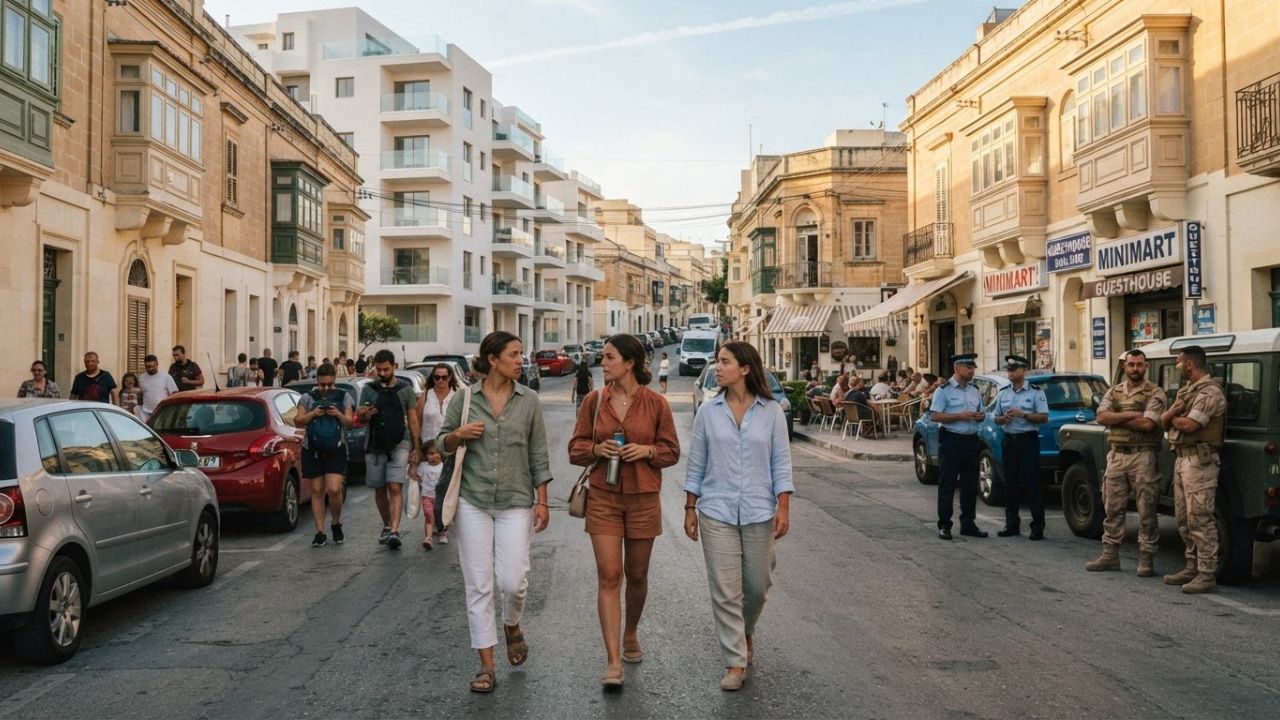
Image generated by AI
Malta has deployed soldiers from the Armed Forces of Malta to patrol the streets of Swieqi, highlighting the growing safety and infrastructural pressures caused by uncontrolled tourism expansion. By reinforcing local police patrols to combat noise, vandalism, and public disturbances, regional authorities are under pressure to reform the country's urban planning and short-term rental policies.
The Suburban Shift: Swieqi's Transition to a Tourism Hotspot
For many decades, Swieqi was regarded as a peaceful, low-density residential locality, characterized by low-rise maisonettes, family villas, and quiet residential streets. Located in the Northern Harbour District, the town developed as a sanctuary for local families wishing to live away from the tourist zones. However, the proximity of Swieqi to St. Julian's and the nightlife hub of Paceville made it highly vulnerable to spillover effects once planning regulations were altered.
According to local municipal registry data, the number of registered short-term rental beds in Swieqi has tripled over the past five years. This rapid commercialization of residential properties has driven up local rent prices, forcing many young Maltese couples to relocate to more remote towns in the south of the island. The resulting population shift has altered the demographic profile of Swieqi, replacing long-term neighbors with transient holidaymakers. The transformation began when planning policies permitted increased building heights and high-density residential developments in suburban zones. Over time, older villas were demolished to make way for large apartment blocks, dramatically increasing the population density. Many of these new apartments were converted into short-term holiday rentals to accommodate the growing volume of international visitors, altering the residential character of the neighborhood. The rapid transition placed immense strain on local roads, public waste management systems, and utility networks, exposing the limitations of regional infrastructure.
Public Order and the Nightlife Overflow Challenge
The primary challenge facing Swieqi is the behavior of a minority of late-night visitors returning from the entertainment venues of Paceville. Because the two districts are within walking distance, residential streets in Swieqi often experience significant public disturbances between midnight and early morning. Local residents frequently report issues with excessive noise, public drunkenness, vandalism of private property, and littering, which have degraded the quality of life in the community.
While the hospitality sector remains a critical driver of Malta's economic growth, the concentration of unregulated visitor accommodations in residential zones has created friction. Licensed hotel operators have also expressed concerns that poorly monitored short-term rentals present unfair competition and threaten the country's image as a high-quality travel destination. The situation highlights a fundamental planning challenge: when tourism capacity increases without corresponding increases in local municipal services and enforcement, resident communities bear the social costs.
Armed Forces Patrols and the Public Policy Debate
To address the immediate public safety concerns, the government authorized the deployment of the Armed Forces of Malta to support the Malta Police Force in carrying out regular street patrols in Swieqi. The visible presence of armed soldiers is intended to act as a deterrent to anti-social behavior and restore security confidence among residents who feel overwhelmed by the seasonal influx of visitors.
The President of the Swieqi Civic Association released a statement emphasizing that while residents appreciate the immediate decrease in street noise, they remain concerned about the long-term precedent of using military personnel for domestic policing. The association is calling for the establishment of a permanent municipal police station in the area, arguing that a dedicated local force is the only way to ensure consistent law enforcement without relying on emergency army deployments. However, the military deployment has sparked a national debate regarding long-term urban governance. Public policy analysts argue that utilizing soldiers to manage routine municipal public order issues is a temporary emergency measure that fails to address root planning failures. Critics point out that maintaining public safety in residential areas should rely on well-funded community policing and municipal enforcement, rather than military patrols. The use of national defense personnel on residential streets raises questions about the sustainability of Malta's current tourism model and the adequacy of its civil security services.
Reforming Carrying Capacity and Short-Term Rental Regulations
A sustainable solution to the Swieqi crisis requires a coordinated effort between the Malta Tourism Authority, local municipal councils, and urban planning bodies. Rather than relying on emergency security measures, authorities must manage tourism at its source by implementing stricter controls on short-term rentals and nightlife zones. This includes performing regular licensing audits on holiday apartments, enforcing strict noise limits, and holding property owners accountable for tenant behavior.
Investing in local services is equally important. Expanding municipal waste collection, upgrading electrical grids to prevent summer blackouts, and improving public transport connectivity are vital to supporting both residents and visitors. The Malta Tourism Authority is shifting its focus toward quality-driven tourism metrics, aiming to manage visitor volume in a way that respects the carrying capacity of local neighborhoods. Spreading tourist activity to off-peak months and encouraging travelers to explore cultural attractions in Valletta or the historic Three Cities can help relieve pressure on saturated northern districts.
Visitor Guide: Local Dining, Nightlife Etiquette, and Transit Rules
Exploring Malta responsibly involves understanding local regulations, respecting residential communities, and enjoying regional culture. By observing these guidelines, travelers can contribute positively to the host destination.
When staying in Swieqi, respect the local neighborhood by observing quiet hours between 11:00 PM and 7:00 AM. Avoid playing loud music on balconies, keep voices low when returning from clubs in Paceville, and ensure that household waste is placed in designated bins according to the local collection schedule. Dress modestly when visiting historical churches by covering shoulders and knees, and avoid walking through town streets in swimwear or without a shirt, as this violates local public decency codes.
To experience authentic Maltese cuisine, visit local pastizzerijas to try Pastizzi, the traditional street food made of flaky pastry filled with either ricotta cheese or curried mushy peas. For a sit-down meal, try Fenkata, the national dish of rabbit slow-cooked in a rich red wine and garlic stew, served communally with potatoes. Sample Hobz biz-Zejt, crusty Maltese sourdough bread rubbed with ripe tomatoes, mint, and olive oil. Always purchase meals and services from locally owned businesses to ensure your travel spend directly benefits Maltese families.
To navigate the island sustainably, utilize the comprehensive Tallinja public bus network instead of renting private cars, which contributes to the severe traffic congestion and parking shortages in Swieqi. Shared e-scooters and licensed cabs are also widely available for transit between St. Julian's and neighboring towns. For emergencies, dial 112 to reach the police, ambulance, or fire services, and check the official Malta Tourism Authority portal for updated travel guidelines and safety alerts.
Future Outlook: Balancing Economic Yield with Resident Well-being
The events in Swieqi serve as a warning sign for the future of tourism development in the Mediterranean. As travel demand continues to rise, destinations must establish clear limits on urban growth and visitor density to protect the local environment and community life.
This sustainable transition is supported by the European Union's urban development guidelines, which advocate for preserving residential buffer zones around major entertainment hubs. By establishing clear physical boundaries between commercial nightlife areas and quiet residential suburbs, Malta can prevent the kind of social friction currently seen in Swieqi, ensuring that both the tourism sector and local communities can thrive in harmony. Ultimately, the long-term viability of Malta's visitor economy depends on balancing economic growth with resident well-being. By enforcing zoning regulations, investing in public infrastructure, and promoting sustainable, low-impact travel options, the country can protect its unique cultural assets. Transitioning to a managed tourism model will ensure that Malta remains a welcoming, safe, and authentic destination for international travelers while preserving the quality of life for the communities that host them.
Related Travel Guides
Disclaimer
This article is for informational and educational purposes only. It does not constitute legal, financial, or professional advice. While we strive to provide accurate and up-to-date information, travel policies, regulations, and conditions change rapidly. Always verify information with official sources before making travel decisions. Nomad Lawyer makes no representations about the accuracy, reliability, completeness, or suitability of the information provided. Readers should consult qualified professionals for advice specific to their circumstances. The views expressed in this article are those of the author and do not necessarily reflect the views of Nomad Lawyer.
Preeti Gunjan
Contributor & Community Manager
A passionate traveller and community builder. Preeti helps grow the Nomad Lawyer community, fostering engagement and bringing the reader experience to life.
Learn more about our team →