
American Passenger Virus Outbreak: Travel Blogger Documents MV Hondius Crisis
An American travel blogger aboard the MV Hondius describes isolation and medical evacuations as a suspected hantavirus outbreak strands the expedition cruise off West Africa in 2026.

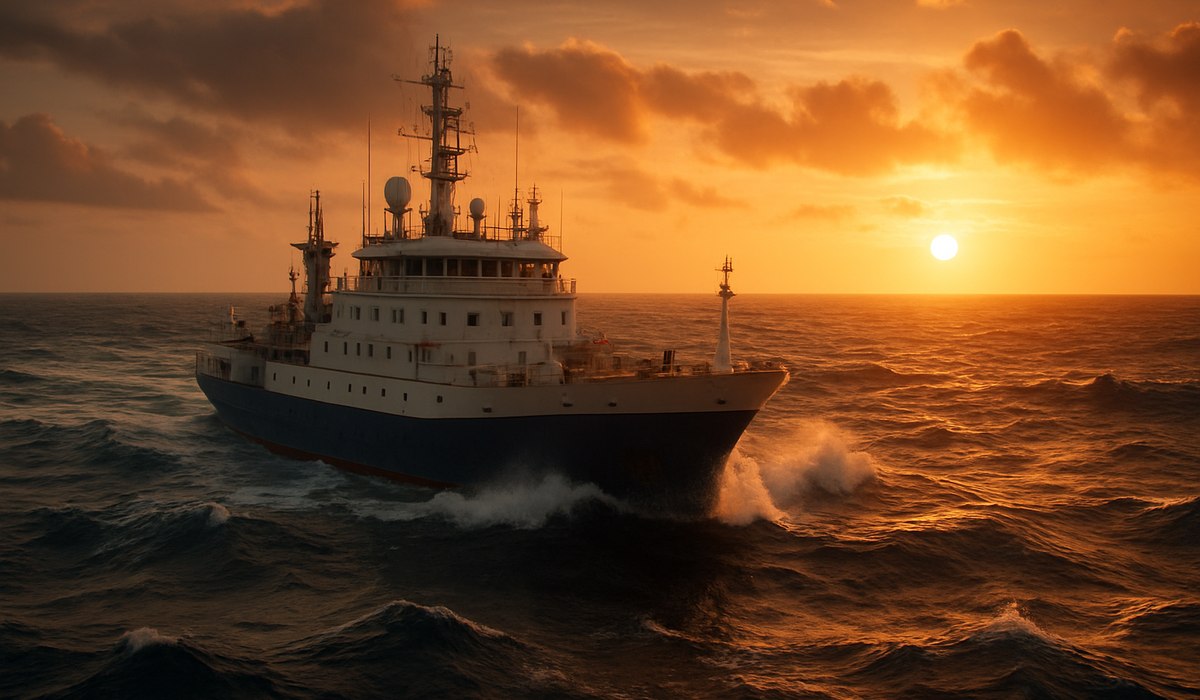
Image generated by AI
An American Traveler's Account from the Isolation Zone
An American passenger on the virus-affected MV Hondius is providing the world a rare inside perspective as the Dutch-flagged expedition vessel remains stranded off West Africa's coast. The travel blogger documents mounting anxiety, cabin isolation, and ongoing medical evacuations tied to a suspected hantavirus outbreak that has claimed lives and infected multiple travelers. With approximately 150 people aboard—including 17 U.S. citizens—the ship circled international waters for weeks after being denied docking permissions, leaving those confined below deck to process an unfolding health emergency through cabin windows and patchy internet connections.
Dream Voyage Transforms Into Extended Quarantine
The MV Hondius departed from Ushuaia, Argentina, in late March 2026 for what tour operators marketed as a once-in-a-lifetime South Atlantic expedition. The itinerary traced a lengthy repositioning route toward Cape Verde, showcasing remote island landscapes and pristine wildlife habitats. The American passenger initially shared Instagram posts and travel blogs featuring dramatic coastlines, abundant seabird colonies, and calm oceanic vistas that painted a picture of expedition travel at its finest.
That narrative collapsed in early April when acute respiratory illnesses began appearing among passengers. The situation deteriorated rapidly when three confirmed deaths occurred during or immediately after the voyage. Official reports from international health authorities linked at least seven suspected or confirmed hantavirus cases to the vessel, with additional infections identified among passengers who disembarked at earlier ports. This clustering of cases transformed the MV Hondius from a luxury expedition platform into an epidemiological concern that triggered diplomatic intervention across multiple nations and port authorities throughout the Atlantic region.
The American Passenger Virus Outbreak and Medical Response Protocol
The suspected hantavirus cases prompted immediate action from health officials in Spain, South Africa, and the Canary Islands. Medical evacuations began unfolding with helicopter transfers removing critically ill passengers to shore-based intensive care units. The American travel blogger describes watching these dramatic rescues from cabin portholes—British passengers airlifted to South African hospitals, Dutch crew members evacuated post-disembarkation, and ongoing uncertainty about infection vectors and outbreak scope.
Ship operators implemented strict cabin confinement policies, distributing meals through contactless delivery systems where crew in protective equipment left trays outside passenger doors. Common areas, including lecture halls and dining venues that typically host expedition programming, fell silent. The MV Hondius essentially transformed into a floating isolation facility, with temperature checks, public-address announcements about protocol changes, and restricted deck access defining the passenger experience. The American passenger virus narrative shifted from adventure documentation to survival testimony as those aboard grappled with extended uncertainty about when they would reach solid ground.
International Port Politics and Diplomatic Standoff
When the MV Hondius approached Cape Verde seeking emergency docking privileges, Praia authorities denied port entry, citing public health concerns and limited medical capacity. This rejection triggered a cascade of diplomatic negotiations involving health ministries across multiple countries. Spanish authorities and Canary Islands officials engaged in discussions about accepting the vessel, while South African and other African port nations assessed their own capacity to handle potential medical evacuations and quarantine logistics.
The American passenger describes a ship effectively trapped in international waters—close enough to see land lights at night but legally and physically prevented from approaching dock facilities. This liminal status created psychological strain compounded by inconsistent communication from ship operators about alternative port options. Passengers monitored news coverage from land while confined to cabins, receiving fragmented updates about evolving health protocols through announcements that raised more questions than answers about the outbreak's origin and expected resolution timeline.
Inside Testimony: What Confinement Felt Like Aboard
The American traveler's video messages and social media posts provided the outside world with granular details about daily quarantine existence. Long stretches of isolation punctuated by brief, distanced deck walks under health supervision. Muffled conversations overheard through cabin walls from neighboring passengers. The emotional pendulum swinging between fear about infection risk and boredom from confinement. Temperature checks administered by masked medical personnel. Meals arriving with plastic gloves and minimal human contact.
These firsthand accounts resonated globally because they echoed recent cruise quarantine experiences from the COVID-19 pandemic, yet introduced unfamiliar disease terminology and biological uncertainty. The American passenger virus narrative humanized what might otherwise remain abstract epidemiological data. For international audiences tracking the crisis through news agencies, the travel blogger's perspective transformed case counts and port denials into visceral accounts of psychological strain, existential waiting, and the particular vulnerability of being trapped at sea during a medical emergency. This documentation became essential context for understanding how cruise ship outbreaks impact individual travelers beyond headline statistics and official response timelines.
Critical Data Table: MV Hondius Outbreak Timeline and Impact
| Metric | Details |
|---|---|
| Ship Name | MV Hondius (Dutch-flagged expedition vessel) |
| Departure Port | Ushuaia, Argentina (late March 2026) |
| Passengers Aboard | Approximately 150 total; 17 confirmed U.S. citizens |
| Suspected Hantavirus Cases | At least 7 suspected/confirmed infections linked to vessel |
| Confirmed Deaths | 3 reported deaths during or after voyage |
| Denial of Port Entry | Cape Verde (Praia) rejected docking request |
| Medical Evacuations | Multiple helicopter transfers to South Africa and other regional hospitals |
| Primary Symptom Profile | Acute respiratory illness in April 2026 |
| Key Reporting Voice | American travel blogger documenting outbreak from cabin isolation |
| Affected Nationalities | U.S., British, Dutch, and other international passengers |
What This Means for Travelers
The MV Hondius american passenger virus crisis carries significant implications for cruise ship travelers planning expedition voyages or extended sea-based itineraries:
-
Pre-departure Health Screening: Verify expedition operators' infectious disease protocols and background health screening procedures. Request documentation of medical facilities and evacuation partnerships before booking remote itineraries.
-
Outbreak Insurance Coverage: Obtain comprehensive travel insurance that explicitly covers epidemic-related quarantines, medical evacuations, and extended trip cancellations beyond standard policy terms.
-
Communication Plans: Establish independent communication channels with family and contacts before boarding remote expeditions, as ship connectivity often remains unstable during health crises.
-
Port Alternatives: Review cruise itineraries for alternative ports of call in case primary destinations deny entry during health emergencies. Remote expedition routes require greater flexibility than Caribbean circuits.
-
Cabin Location Strategy: Request cabin assignments on upper decks with direct porthole access when booking expedition vessels, particularly for itineraries approaching less-developed port regions.
-
Monitor Official Updates: Track CDC, WHO, and regional health authority warnings about specific vessels and routes before departure, and maintain contact with your embassy if traveling internationally.
Frequently Asked Questions
What is hantavirus and how does it spread aboard ships?
Hantavirus typically transmits through contact with infected rodent droppings or contaminated surfaces. Aboard confined vessels, respiratory transmission between passengers remains possible if sanitation protocols fail. The MV Hondius outbreak source remained under investigation, though expedition ships visiting remote islands face elevated contamination exposure risk during wildlife landing operations.
Why was the MV Hondius denied port entry in Cape Verde?
Cape Verde's health authorities cited insufficient medical capacity to handle potential emergency cases and public health concerns about introducing the american passenger virus outbreak to island communities. Port denial reflected diplomatic complexity balancing humanitarian concerns for stranded travelers against national disease prevention obligations.
How long did passengers remain confined to cabins?
The american passenger virus quarantine extended for weeks aboard the MV Hondius as diplomatic negotiations sought alternative port solutions. Extended confinement periods varied by passenger status, with medical evacuations occurring in phases
Disclaimer
This article is for informational and educational purposes only. It does not constitute legal, financial, or professional advice. While we strive to provide accurate and up-to-date information, travel policies, regulations, and conditions change rapidly. Always verify information with official sources before making travel decisions. Nomad Lawyer makes no representations about the accuracy, reliability, completeness, or suitability of the information provided. Readers should consult qualified professionals for advice specific to their circumstances. The views expressed in this article are those of the author and do not necessarily reflect the views of Nomad Lawyer.
Raushan Kumar
Founder & Lead Developer
Full-stack developer with 11+ years of experience and a passionate traveller. Raushan built Nomad Lawyer from the ground up with a vision to create the best travel and law experience on the web.
Learn more about our team →