
American passenger hondius describes life stranded aboard ship
An American travel blogger aboard the MV Hondius documents confinement as a suspected hantavirus outbreak kills three passengers and strands the expedition cruise ship off West Africa in 2026.

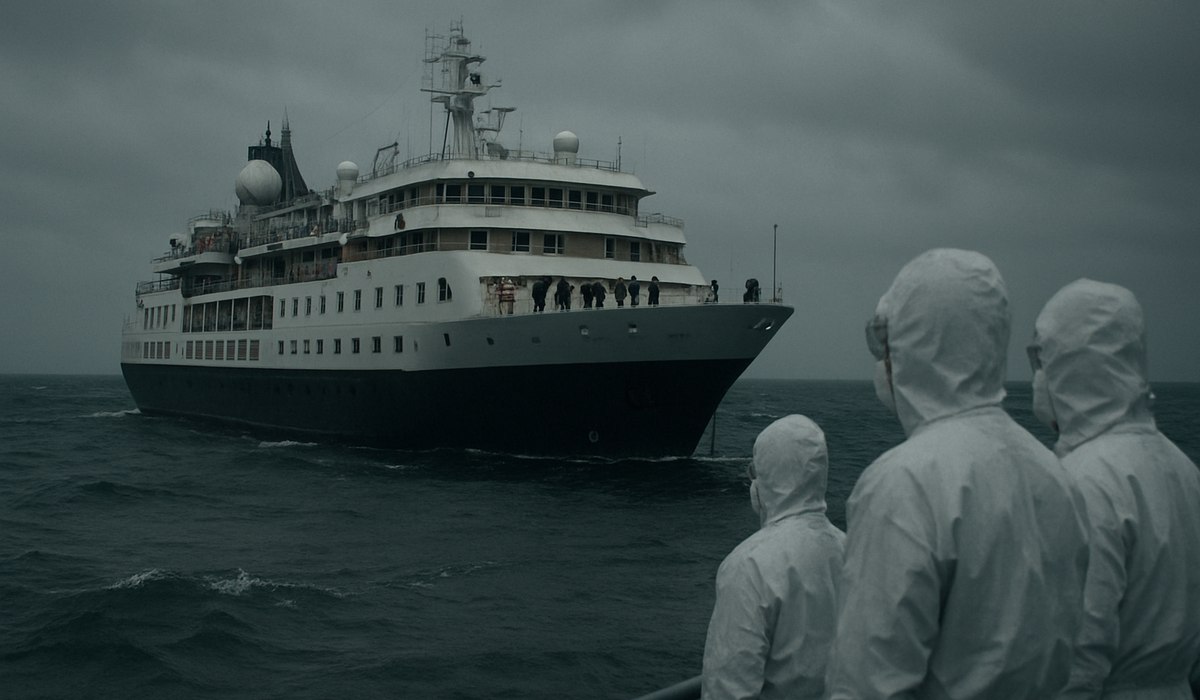
Image generated by AI
Dream Voyage Becomes Health Crisis
The MV Hondius, a Dutch-flagged expedition vessel operated by Oceanwide Expeditions, departed Ushuaia, Argentina in late March 2026 on an ambitious Atlantic crossing. The American passenger hondius account now reveals how this weeks-long polar exploration transformed into a nightmare of isolation when a suspected hantavirus outbreak struck the ship. Three confirmed deaths and multiple hospitalizations forced port authorities across West Africa to deny the vessel safe harbor, leaving passengers confined to cabins as health officials scrambled to contain what the World Health Organization classified as an emerging infectious disease cluster at sea.
The voyage itinerary initially promised an extraordinary journey: South Georgia, South Atlantic islands, Saint Helena, Cape Verde, and the Canary Islands. Instead, the American passenger hondius documentation captures a vessel anchored off Praia with no clear departure date and mounting anxiety among the 150+ souls on board.
Hantavirus Outbreak Forces Port Lockdown
In early April 2026, several passengers aboard the American passenger hondius expedition developed acute respiratory symptoms that escalated rapidly. One traveler died and was removed at Saint Helena; another required emergency evacuation to South Africa in critical condition. A third fatality was confirmed shortly after. The World Health Organization investigation linked the cluster to suspected hantavirus, a rodent-borne virus rarely documented on cruise ships, complicating response protocols and alarming port states.
Cape Verde authorities refused to allow sick crew members to disembark for medical treatment, citing contamination risks. This decision stranded the MV Hondius at anchor indefinitely. The American passenger hondius social media accounts became a crucial information source, as official communications from the cruise line remained minimal. Video documentation shared by the American passenger hondius blogger revealed passengers relying on fragmented television broadcasts and intermittent WiFi rather than transparent updates from ship leadership, intensifying psychological strain aboard the vessel.
Passengers Confined as Authorities Hesitate
As news of deaths spread, the American passenger hondius travel blogger posted footage from a small outside cabin describing oscillating emotions—tense calm interrupted by moments of fear as rumors circulated through corridors. The American passenger hondius documentation highlights the disconnection passengers felt: events unfolding just beyond the railings remained inaccessible and confusing due to communication gaps.
Oceanwide Expeditions acknowledged the situation but emphasized cooperation with health authorities and the rarity of hantavirus cases at sea. However, the American passenger hondius account and corroborating passenger statements raised questions about early response protocols. The ship's captain initially announced a death while assuring passengers that medical staff deemed the case non-infectious—an assessment that proved premature. The American passenger hondius blogger noted that shared dining and group activities continued even as illness reports emerged, suggesting a delayed recognition of outbreak severity.
Some passengers, observing concerning symptoms, self-isolated before formal precautions were implemented. This gap between individual perception and official messaging became a focal point of frustration, with the American passenger hondius footage and other passenger accounts questioning whether masking and distancing protocols should have been introduced sooner during the critical early days of the outbreak.
American Passenger Breaks Silence from Isolation
The American passenger hondius blogger has become a rare, candid voice documenting life aboard the stalled expedition cruise. Videos recorded from cabin isolation show the traveler balancing worried messages to family with measured reassurances that most passengers remain physically healthy. The American passenger hondius social media presence acknowledges the need to avoid fueling panic while still chronicling an extraordinary maritime health crisis.
Footage from the American passenger hondius account captures the emotional toll of confinement: waiting for meal deliveries, limited deck access, and reliance on patchy communications. The American passenger hondius documentation reveals cabin-bound routines, regulated bathroom schedules, and the psychological weight of uncertainty. Despite these hardships, the American passenger hondius blogger emphasizes that passengers generally maintain composure, though frustration with unclear timelines and limited transparency grows daily.
Networks across the United States and Europe have amplified the American passenger hondius narrative, making the stranded expedition one of 2026's most closely watched cruise crises. The American passenger hondius account demonstrates both the vulnerability of remote expedition voyages and the power of individual documentation in crisis situations.
Cruise Itinerary at a Glance
| Port | Region | Scheduled Stop | Actual Status | Distance from Departure |
|---|---|---|---|---|
| Ushuaia | Argentina | Departure Port | Completed | Origin |
| South Georgia | South Atlantic | Mid-March | Completed | 800+ nm |
| Saint Helena | South Atlantic | Early April | Completed (fatality) | 1,200+ nm |
| Cape Verde | West Africa | Mid-April | Anchored (stranded) | 2,500+ nm |
| Canary Islands | Spain | Late April | Cancelled | 3,000+ nm |
| Vessel Type | Expedition Cruise | Passenger Capacity | ~150 | Operator |
What This Means for Travelers
The American passenger hondius crisis carries critical implications for expedition cruise passengers booking remote voyages in 2026 and beyond:
-
Health Screening Transparency: Demand detailed pre-embarkation health protocols and ask cruise lines about epidemiological monitoring during multi-week expeditions. The American passenger hondius situation revealed gaps in early detection; operators must communicate illness thresholds clearly.
-
Communication Plans: Verify that your cruise line maintains reliable daily briefings during health emergencies. Passengers shouldn't rely on social media for official updates—transparency prevents anxiety and panic.
-
Diversion Protocols: Request written contingency plans addressing port refusal scenarios. Expedition cruises to remote regions need explicit protocols for alternative ports and extended delays.
-
Evacuation Insurance: Purchase comprehensive travel and medical evacuation coverage. The American passenger hondius voyage demonstrated that even established operators face unprecedented situations requiring emergency response.
-
Cabin Selection: Given the American passenger hondius isolation requirements, cabins with outdoor access and windows became psychological refuges. Consider this factor when booking expedition vessels.
-
Itinerary Flexibility: Understand that expedition cruises carry inherent risks. Weather, political events, and—as the American passenger hondius case shows—health crises can cancel ports or strand vessels indefinitely.
Frequently Asked Questions
What is hantavirus and how does it spread? Hantavirus is a rodent-borne pathogen typically transmitted through contaminated rodent droppings, saliva, or urine. Person-to-person transmission is rare, though respiratory hantavirus strains can spread via aerosolized particles. The American passenger hondius outbreak origin remains under investigation, as hantavirus cases aboard ships are exceptionally uncommon, raising epidemiological questions among health authorities.
How long was the American passenger hondius ship stranded off West Africa? As of late May 2026, the MV Hondius remained anchored off Praia, Cape Verde, with no confirmed departure date. Passengers had been confined for approximately three weeks. Official statements from Oceanwide Expeditions have remained vague regarding expected resolution timelines.
Can expedition cruises refuse passengers with pre-existing health conditions? Yes, cruise lines may require health declarations and can deny boarding based on medical conditions or suspected communicable illness. However, the American passenger hondius incident revealed gaps in pre-voyage screening. Travelers should disclose relevant health history and request clarification on health policies before booking.
What compensation are American passenger hondius travelers entitled to receive? Legal frameworks governing compensation for cruise health crises remain underdeveloped. Passengers aboard the MV Hondius may pursue claims under maritime law, cruise line contracts, or travel insurance provisions. The American passenger hondius situation will likely generate regulatory preced
Disclaimer
This article is for informational and educational purposes only. It does not constitute legal, financial, or professional advice. While we strive to provide accurate and up-to-date information, travel policies, regulations, and conditions change rapidly. Always verify information with official sources before making travel decisions. Nomad Lawyer makes no representations about the accuracy, reliability, completeness, or suitability of the information provided. Readers should consult qualified professionals for advice specific to their circumstances. The views expressed in this article are those of the author and do not necessarily reflect the views of Nomad Lawyer.
Raushan Kumar
Founder & Lead Developer
Full-stack developer with 11+ years of experience and a passionate traveller. Raushan built Nomad Lawyer from the ground up with a vision to create the best travel and law experience on the web.
Learn more about our team →