
American Virus Hondius Passenger: Inside Rare Outbreak Quarantine at Sea
An American passenger aboard the hantavirus-stricken MV Hondius becomes the public face of a rare outbreak turning an Antarctic expedition cruise into an anxious West African quarantine in 2026. Three deaths trigger global medical response.

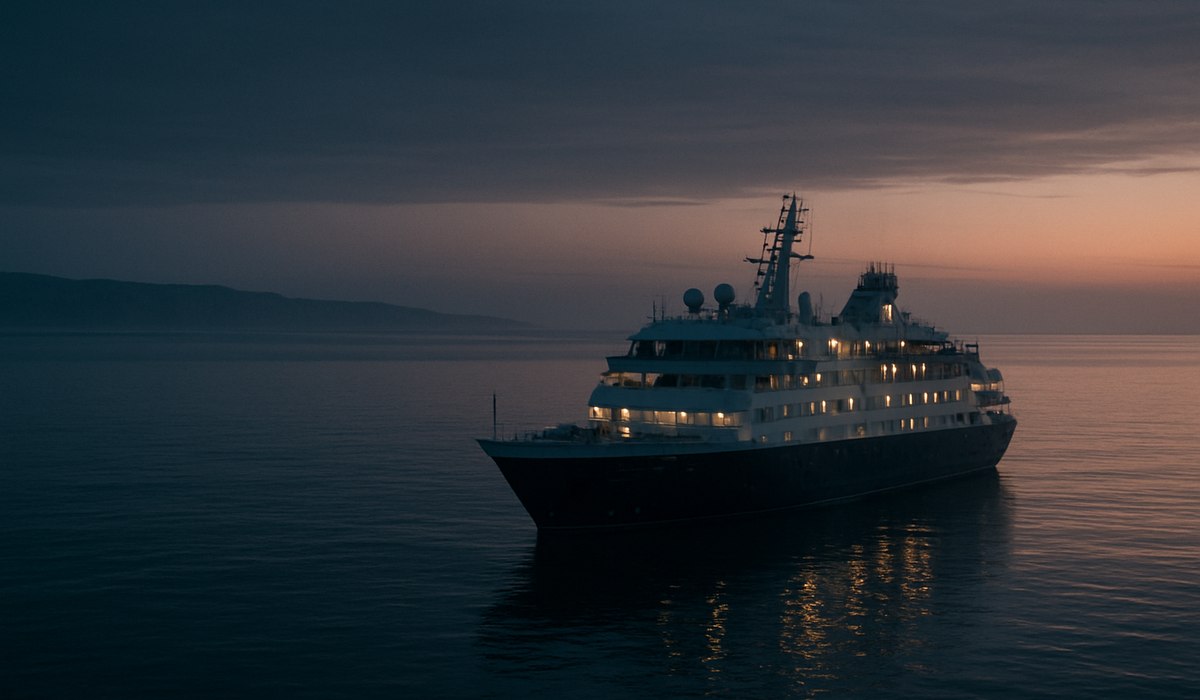
Image generated by AI
An American Passenger Becomes the Face of a Maritime Health Crisis
An American traveler aboard the virus-hit expedition ship MV Hondius is emerging as the public voice of a rare hantavirus outbreak transforming an Antarctic cruise into an open-ended quarantine off West Africa. The Dutch-flagged vessel, carrying approximately 150 passengers and crew, now sits anchored off Cape Verde after three confirmed deaths linked to acute respiratory illness reshaped what began as a dream polar expedition into a medical emergency. The American passenger—a travel content creator who was documenting the voyage—is now widely featured in international coverage as authorities and health agencies investigate the scope and origin of the outbreak. What started as a journey through South Georgia and isolated South Atlantic islands in late March has become a cautionary tale about the vulnerabilities of remote-region travel in an era of emerging infectious diseases.
Dream Voyage Interrupted: From Penguins to Quarantine
The MV Hondius departed Ushuaia, Argentina, in late March 2026 on a planned route through some of the world's most remote waters. Passengers boarded expecting pristine wildlife encounters, rugged island landings, and the kind of expedition experience that justifies the premium price tag of polar cruising. The first weeks reportedly proceeded normally, with travelers photographing penguins, whales, and dramatic seascapes from the ship's decks.
By early April, however, the mood shifted dramatically. The first passenger fell gravely ill, and on April 11—while the ship navigated some of the most isolated stretches of the South Atlantic—that traveler died. The death initially appeared isolated, a tragic but rare occurrence aboard a ship serving remote regions. But within days, two additional passengers, both European nationals, developed similar acute respiratory symptoms and subsequently died. Testing confirmed the presence of hantavirus, a virus family typically associated with rodent transmission and found primarily in specific geographic regions.
The confirmation triggered immediate protocol changes. The American passenger and others who had documented the early voyage found their cabin access restricted. Itineraries were abandoned. The ship changed course north toward West Africa, searching for a port willing to accept a vessel with confirmed cases of a rare and dangerous pathogen.
Hantavirus Outbreak: Three Deaths Trigger Course Change
Hantavirus infections are uncommon in humans and typically occur through contact with infected rodent urine, droppings, or saliva. The presence of confirmed hantavirus cases aboard a ship in the Atlantic represents an unusual epidemiological event, prompting heightened investigation into the outbreak's source and transmission pattern. Health agencies worldwide have mobilized to track potential secondary cases and understand how the virus came aboard.
The first confirmed death on April 11 set in motion a cascade of medical and administrative responses. Ship's medical staff isolated suspected cases. Crew members implemented enhanced cleaning protocols. Within 48 hours, international health organizations were coordinating with the vessel's operators to develop an evacuation and quarantine strategy. Several passengers showing severe respiratory symptoms were transferred by chartered aircraft to specialized isolation facilities in Europe and southern Africa capable of managing high-consequence infectious diseases.
These medical evacuations, while necessary, created visible reminders for remaining passengers of the outbreak's seriousness. Stretchers and transfer boats moving critically ill travelers served as stark contrasts to the adventure-cruise atmosphere that had defined the voyage's opening weeks. For the American passenger and others monitoring developments from their cabins, each evacuation underscored the reality that this was no longer a routine cruise disruption but a genuine medical emergency unfolding at sea.
Port Rejections and Regional Concerns Complicate Response
As the MV Hondius sought refuge with a confirmed hantavirus outbreak aboard, port authorities across West Africa and the Atlantic islands faced difficult decisions. Cape Verde, the initial destination, declined to accept the vessel. Negotiations with the Canary Islands similarly stalled as Spanish and regional European health officials expressed concerns about importing additional cases into their territories.
The refusals reflect growing tensions between humanitarian obligations and disease containment protocols. Ship operators face pressure to secure a port for proper medical evaluation, passenger disembarkation, and crew relief. Port authorities, meanwhile, must weigh community health risks against the ethical imperative to assist travelers in distress. The American passenger and fellow passengers found themselves in a legal and logistical limbo, anchored off Cape Verde with unclear timelines for when disembarkation might occur.
International maritime law and health regulations governing cruise ship emergencies provided some framework, but the rarity of a confirmed hantavirus outbreak aboard a vessel operating in international waters created unprecedented complications. Health agencies coordinated across multiple nations. Diplomatic channels opened between governments. Meanwhile, those aboard waited—confined largely to cabins, receiving updates through ship announcements and printed notices, hoping that evolving test results and port negotiations would finally permit them to leave.
Life Aboard: Passengers Navigate Unexpected Medical Emergency
The transformation from expedition cruise to maritime quarantine reshaped daily life aboard the MV Hondius in profound ways. Passengers who had booked premium cabins anticipating open-deck time and expert-led shore excursions now found themselves confined to small staterooms for extended periods. Cabin lockdowns became standard, with controlled access to open decks and common spaces designed to minimize contact and prevent potential viral transmission.
Staff delivered meals to cabin doorways rather than in traditional dining venues. Entertainment shifted entirely to in-cabin options—television, downloaded movies, books, and video calls with family ashore. Daily briefings moved from in-person gatherings to ship-wide public-address announcements and printed updates slid under cabin doors. For the American passenger, the disruption to his content creation plans stood in stark contrast to the polished, adventure-focused videos he had been sharing just weeks earlier.
Reports from other passengers described a range of emotional responses evolving as the outbreak unfolded. Initial frustration at missed landings and altered itineraries gave way to shock as news of deaths rippled through the passenger community. Subsequent moods ranged from resigned acceptance to quiet fear. Despite the tension and confinement, basic services—power, water, air conditioning—continued functioning. Internet connectivity, while sometimes strained, allowed passengers to communicate with worried family members and monitor global news coverage of their own situation.
The lack of clear disembarkation timelines created the greatest strain. As test results fluctuated and port negotiations dragged on, expectations repeatedly shifted. Passengers who had been told they might leave within days found themselves still confined weeks later. The uncertainty proved as psychologically taxing as the physical confinement.
Key Data Table: MV Hondius Outbreak Timeline and Impact
| Metric | Detail |
|---|---|
| Ship Name & Flag | MV Hondius (Dutch-flagged expedition vessel) |
| Departure Port & Date | Ushuaia, Argentina, late March 2026 |
| Passengers & Crew Aboard | Approximately 150 total |
| First Death Confirmed | April 11, 2026, en route through South Atlantic |
| Total Confirmed Deaths | 3 passengers (1 American documentation shows European majority) |
| Pathogen Identified | Hantavirus (family of acute respiratory viruses) |
| Primary Quarantine Location | Anchored off Cape Verde |
| Medical Evacuations | Multiple severe cases transferred to Europe & southern Africa |
| Ports Rejecting Ship | Cape Verde, Canary Islands |
| Key Passenger Profile | American travel content creator documenting voyage |
| Cabin Restrictions | Mandatory lockdowns with controlled deck access |
| Service Continuation | Power, water, air conditioning, meals-to-cabin service maintained |
What This Means for Travelers
The American virus Hondius outbreak highlights critical vulnerabilities in remote-region expedition cruising and offers essential lessons for travelers considering
Disclaimer
This article is for informational and educational purposes only. It does not constitute legal, financial, or professional advice. While we strive to provide accurate and up-to-date information, travel policies, regulations, and conditions change rapidly. Always verify information with official sources before making travel decisions. Nomad Lawyer makes no representations about the accuracy, reliability, completeness, or suitability of the information provided. Readers should consult qualified professionals for advice specific to their circumstances. The views expressed in this article are those of the author and do not necessarily reflect the views of Nomad Lawyer.
Preeti Gunjan
Contributor & Community Manager
A passionate traveller and community builder. Preeti helps grow the Nomad Lawyer community, fostering engagement and bringing the reader experience to life.
Learn more about our team →