
Hantavirus Cruise Outbreak: WHO Investigates Human-to-Human Transmission on MV Hondius
World Health Organization probes first-ever hantavirus cruise outbreak aboard MV Hondius in 2026, with three deaths and suspected human-to-human transmission among 150 passengers stranded off Cabo Verde.

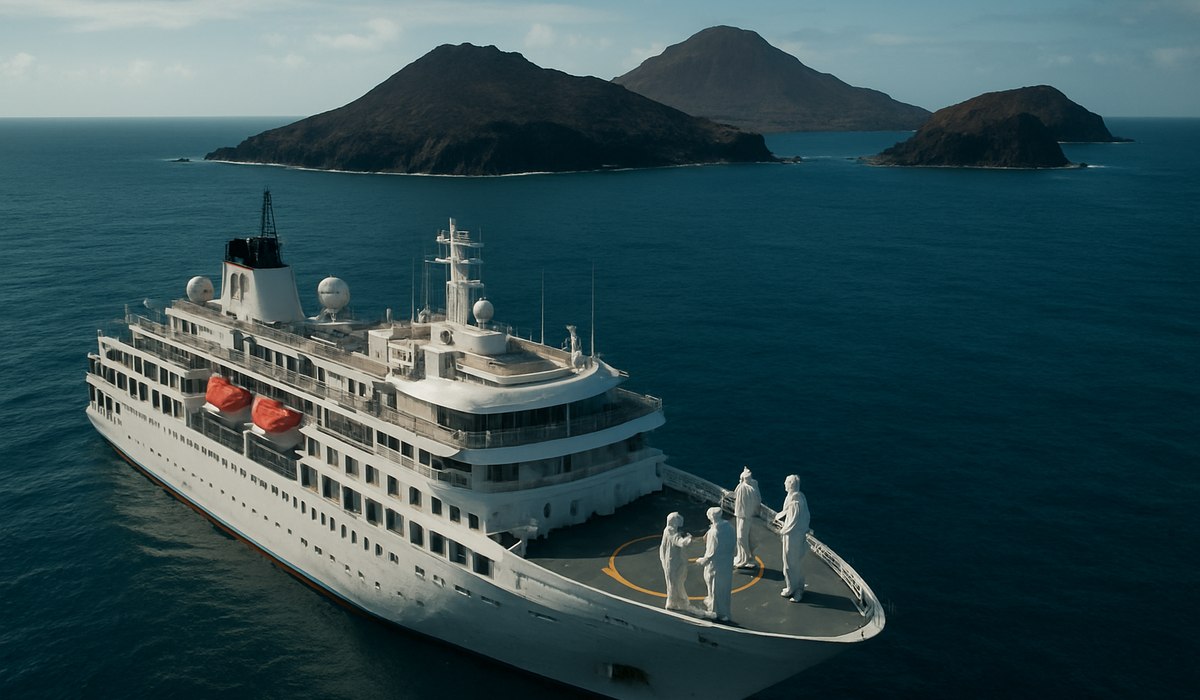
Image generated by AI
Breaking News: Historic Hantavirus Cruise Outbreak Under WHO Investigation
The MV Hondius, a luxury expedition vessel operated by Oceanwide Expeditions, has become the center of an unprecedented global health emergency. The World Health Organization is investigating the first documented hantavirus cruise outbreak with confirmed suspected human-to-human transmission occurring aboard the Dutch-flagged ship. Seven confirmed and suspected hantavirus infections have been recorded among approximately 150 passengers and crew members, with three deaths reported. The vessel remains anchored off the coast of Cabo Verde in the eastern Atlantic as international health teams conduct urgent testing, contact tracing, and evacuation operations.
This marks a watershed moment for maritime travel safety and infectious disease surveillance at sea. The cluster represents an extraordinary convergence of epidemiological factors that have transformed a routine expedition cruise into a critical public health investigation.
First Documented Hantavirus Outbreak at Sea
The hantavirus cruise outbreak aboard MV Hondius represents uncharted territory in maritime medicine. Hantaviruses are rodent-borne viruses primarily transmitted through contact with infected animal droppings, urine, or saliva. Human-to-human transmission has historically been extraordinarily rare and limited to the Andes virus strain, which can spread through close, prolonged contact between individuals.
The voyage in question departed Ushuaia in southern Argentina and was en route to the Cape Verde archipelago when infections emerged among passengers who had recently traveled through South America. Initial epidemiological analysis suggests some early cases may have originated before embarkation in endemic regions. However, the subsequent disease patterns among cabin-sharers and individuals with extended close contact point toward limited person-to-person spread aboard the vessel. This distinction between imported cases and secondary transmission remains crucial for understanding the outbreak's mechanics. Genetic sequencing efforts and comprehensive contact tracing are ongoing to definitively establish transmission patterns. The World Health Organization has characterized the outbreak as serious but geographically contained, with current risk to the broader public assessed as low.
Outbreak Timeline and Current Status
The situation aboard MV Hondius unfolded with alarming rapidity once symptomatic cases were recognized. Initial cases presented with characteristic hantavirus symptoms including fever, muscle aches, fatigue, and respiratory distress. Medical staff on board implemented immediate isolation protocols and contacted international health authorities on May 2, 2026.
By May 6, seven confirmed and suspected infections had been documented. Three passengers succumbed to the virus, while several others remain under intensive medical supervision either on the vessel or in hospitals on shore. Specialized evacuation flights have transported the most critically ill patients to advanced care facilities in South Africa and Europe. Two additional patients requiring intensive care are being prepared for transfer to medical centers in the Netherlands. Several other cases have been identified in hospitalized passengers and crew members who sought care after disembarking or making connections to home countries.
The ship's current status involves strict containment measures, continuous symptom monitoring, and comprehensive disinfection of all shared spaces and ventilation systems. Remaining passengers are isolated and monitored daily for emerging symptoms. International contact tracing has expanded to identify any secondary cases among family members, healthcare workers, or other individuals who may have had contact with confirmed cases post-travel.
Health Response and Evacuation Efforts
The international response to the hantavirus cruise outbreak has been notably coordinated and swift. Multiple national health agencies, the ship operator Oceanwide Expeditions, and specialized medical aviation teams have mobilized resources across continents. Full personal protective equipment protocols are in effect for all medical personnel attending to patients on board.
Cabin isolation and disinfection procedures follow strict infection-prevention guidelines established by maritime health authorities. Ventilation systems have undergone thorough assessment and decontamination. Kitchen and dining areas have been segregated to prevent environmental exposure. The ship's laundry and sanitation facilities operate under heightened safety standards to eliminate any potential viral contamination surfaces.
Medical evacuations have prioritized the most severely compromised patients. Specialized aeromedical teams equipped for infectious disease transport have conducted inter-hospital transfers to facilities with infectious disease expertise. Healthcare workers in receiving hospitals have been briefed on Andes virus clinical features, infection control measures, and the specific outbreak context.
Contact tracing extends beyond the vessel to include healthcare providers, airport staff, airline personnel, and family members who may have had exposure during patient movement. Health agencies in multiple countries have initiated active surveillance for any emerging cases among contacts of confirmed patients. Public notification has been issued in affected regions to encourage healthcare providers to maintain heightened awareness for unusual respiratory illness or fever presentations.
Implications for the Cruise Industry
The hantavirus cruise outbreak raises significant questions about expedition cruise operations, particularly voyages visiting disease-endemic regions of South America. The incident highlights the vulnerability of shipboard environments where hundreds of individuals live in close quarters with shared ventilation and common facilities.
Oceanwide Expeditions and other cruise operators specializing in South American expeditions face renewed scrutiny regarding pre-embarkation health screening protocols. The challenge remains that early hantavirus infections can mimic common travel-related illnesses, making reliable rapid detection difficult during boarding procedures. Some industry experts are recommending enhanced pre-departure health questionnaires, expanded screening for travelers with recent exposure to endemic regions, and improved cabin isolation capabilities on expedition vessels.
The incident may prompt revisions to cruise industry guidelines established by organizations like the Cruise Lines International Association. Enhanced pandemic preparedness protocols, improved infectious disease isolation facilities, and stronger coordination with local health authorities in remote ports are likely to receive increased focus. This outbreak demonstrates that emerging infectious disease threats extend to niche cruise segments beyond mainstream oceangoing vessels.
Travelers booking expedition cruises should carefully review health protocols, vaccination status recommendations, and the cruise line's demonstrated capacity for infectious disease management. Insurance coverage for medical evacuation and international hospital care has become a critical consideration for adventure cruise passengers.
Cruise Itinerary at a Glance
| Itinerary Detail | Information |
|---|---|
| Ship Name | MV Hondius |
| Operator | Oceanwide Expeditions |
| Flag | Netherlands |
| Departure Port | Ushuaia, Argentina |
| Destination Port | Cabo Verde (Cape Verde Archipelago) |
| Passenger Capacity | Approximately 150 (passengers and crew) |
| Voyage Type | Expedition cruise |
| Route Region | South Atlantic |
| Vessel Status (May 2026) | Anchored off Cabo Verde during health investigation |
| Typical Duration | 12-14 days |
What This Means for Travelers
The hantavirus cruise outbreak aboard MV Hondius carries important implications for expedition cruise travelers. Consider these actionable steps when planning upcoming voyages:
-
Research pre-embarkation health screening procedures implemented by your cruise operator, particularly for expeditions visiting South America, Central America, or other rodent-borne virus endemic regions. Request detailed information about disease surveillance capabilities during your voyage.
-
Review comprehensive travel insurance coverage that includes medical evacuation, international hospital care, and infectious disease exclusions. Standard cruise insurance may not adequately cover prolonged hospitalization in remote locations or aeromedical evacuation to specialized facilities.
-
Understand personal symptoms and immediate reporting protocols for your specific voyage. Know how to alert medical staff to fever, respiratory symptoms, or unusual illness onset, particularly if cabin mates or close contacts develop symptoms.
-
Verify isolation and infection control infrastructure aboard expedition vessels. Request information about negative-pressure isolation cabins, dedicated medical facilities, and crew training in infectious disease containment.
-
Maintain current vaccinations relevant to your destination and request your healthcare provider's assessment of individual risk factors for the specific regions your cruise will visit.
Disclaimer
This article is for informational and educational purposes only. It does not constitute legal, financial, or professional advice. While we strive to provide accurate and up-to-date information, travel policies, regulations, and conditions change rapidly. Always verify information with official sources before making travel decisions. Nomad Lawyer makes no representations about the accuracy, reliability, completeness, or suitability of the information provided. Readers should consult qualified professionals for advice specific to their circumstances. The views expressed in this article are those of the author and do not necessarily reflect the views of Nomad Lawyer.
Preeti Gunjan
Contributor & Community Manager
A passionate traveller and community builder. Preeti helps grow the Nomad Lawyer community, fostering engagement and bringing the reader experience to life.
Learn more about our team →