
Africa’s Travel Indaba 2027 Registration Set to Open as South Africa Builds on Record Tourism Momentum
Africa’s Travel Indaba 2027 Registration Set to Open as South Africa Builds on Record Tourism Momentum

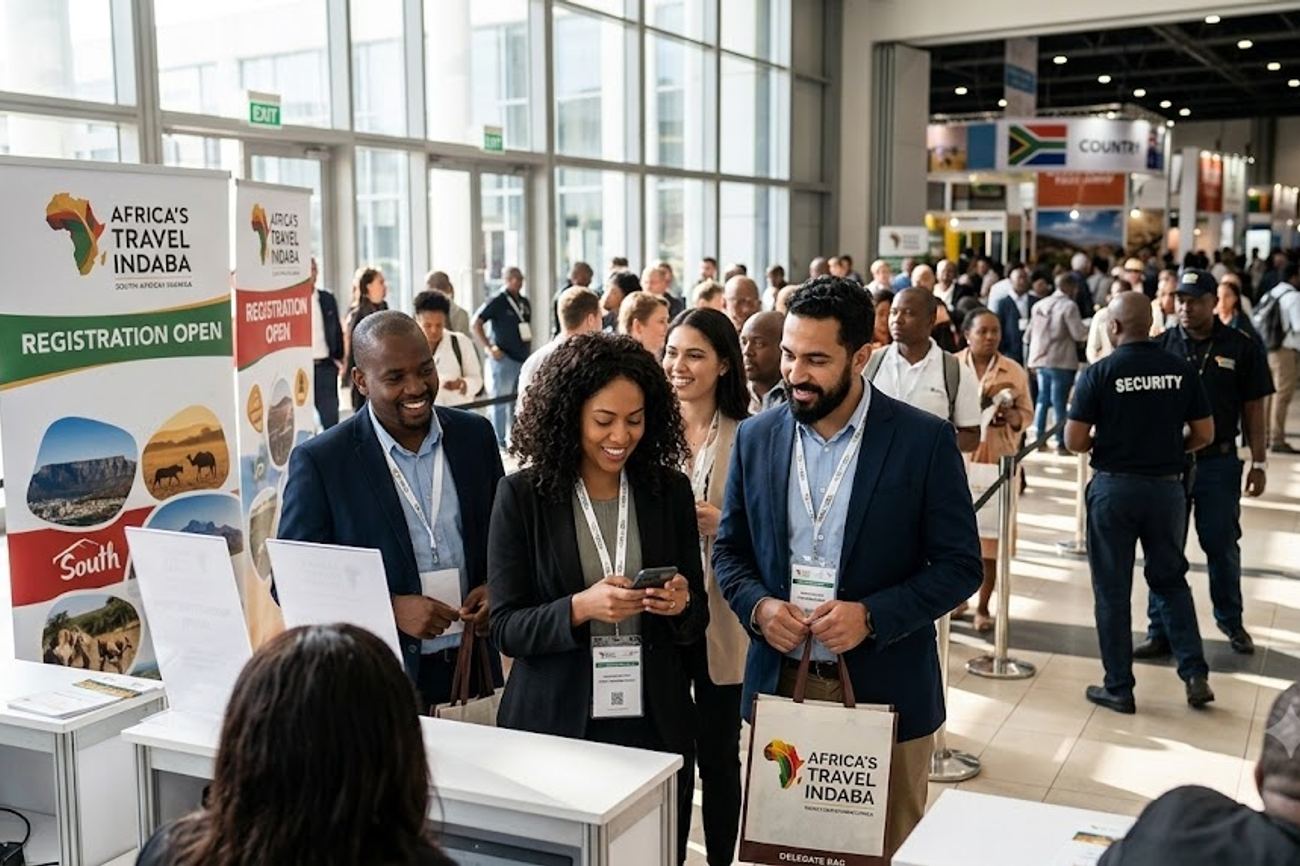
Image generated by AI
International tourist arrivals to South Africa climbed from 8.9 million in 2024 to 10.5 million in 2025, a 17.7% increase that officially pushes the country past its 2019 pre-pandemic baseline of 10.2 million. This trajectory of sustained growth provides the primary commercial catalyst for the upcoming Africa’s Travel Indaba 2027, as South African Tourism prepares to open registration by the end of September.
The Indaba Pipeline in Numbers: 2026 Benchmarks
The scale of the 2027 event will be measured against the high-water mark set by the 2026 edition in Durban. Data from the 2026 gathering reveals a high-density professional environment characterized by significant direct economic injection and high occupancy rates. The event attracted approximately 9,810 total delegates, creating a concentrated marketplace for B2B tourism transactions.
The buyer composition for 2026 provides a blueprint for the 2027 expectations. The event hosted 274 hosted buyers and 637 non-hosted buyers, supported by 404 registered media representatives. This structure indicates a shift toward a more diverse buyer profile, with significant interest emerging from non-traditional long-haul markets including Japan, the United States, and India, moving beyond the historical reliance on European source markets.
From a fiscal perspective, the 2026 event served as a massive short-term economic stimulus for the KwaZulu-Natal region. Direct spending was estimated at R240 million, while the total tourism expenditure reached approximately R835 million. This activity supported an estimated 1,122 jobs, illustrating the multiplier effect that a centralized trade platform has on local hospitality and transport infrastructure.
Comparative Market Context: Recovery vs. Expansion
The current momentum is not merely a recovery from the pandemic but an expansion into new growth territories. When analyzing the data from January to July 2026, the growth patterns show a distinct regional divergence. International arrivals reached 6,576,169, a 12.4% increase over the same period in 2025. However, the growth rate for arrivals from within Africa (14.3%) significantly outpaced the growth rate for overseas arrivals (5.7%).
This suggests that while global demand is stabilizing, intra-continental travel is accelerating. This trend aligns with broader reports from the World Travel & Tourism Council (WTTC), which highlight the rising importance of regional hubs in emerging markets.
The decision to anchor Africa’s Travel Indaba in Durban through 2030 is a strategic move to eliminate the logistical volatility associated with rotating host cities. By fixing the venue at the Durban International Convention Centre, the industry can transition from tactical, year-to-year planning to long-term commercial programming.
Table: South African Tourism Growth and Event Impact Metrics
| Metric | 2024/2025 Period | 2025/2026 Period | Variance / Trend |
|---|---|---|---|
| Total International Arrivals | 8.9 Million (2024) | 10.5 Million (2025) | +17.7% |
| Pre-Pandemic Baseline (2019) | 10.2 Million | 10.5 Million | +2.9% (Surpassed) |
| Jan-July Arrivals | 5,859,000 (Est. 2025) | 6,576,169 (2026) | +12.4% |
| Intra-Africa Arrival Growth | Baseline | 14.3% Increase | Outperforming Global |
| Overseas Arrival Growth | Baseline | 5.7% Increase | Steady Growth |
| Indaba 2026 Hotel Occupancy | N/A | 97% (Projected) | Near Total Capacity |
| Indaba 2026 Total Spend | N/A | R835 Million | High Economic Impact |
Practical Traveler Advisory and Strategic Insights
While Indaba is a trade event, its data signals critical shifts for the individual traveler planning trips to South Africa and the broader region in 2027.
First, the 97% hotel occupancy rate seen during the 2026 event indicates that Durban becomes a high-friction destination during the Indaba window. Travelers planning to visit KwaZulu-Natal during the event period should book accommodation at least 6 months in advance. The concentration of nearly 10,000 delegates in a single city creates an artificial scarcity of rooms, which typically drives up Average Daily Rates (ADR) across all hotel tiers.
Second, the 14.3% growth in intra-African arrivals suggests an increase in regional flight frequencies and improved connectivity between African capitals. Travelers should monitor IATA data for new route announcements, as the growth in regional trade often precedes the launch of new commercial flight paths.
Third, the "revamp" of the Indaba format mentioned by Minister Patricia de Lille suggests a move toward more curated, high-value tourism products. For the traveler, this likely means a shift in the available market toward sustainable and luxury offerings, as the event seeks new sponsors and partners to modernize the African tourism brand.
Forward Projection: The 2030 Horizon
Based on the current trajectory, South Africa is positioning itself as the primary gateway for the African continent's tourism trade. The commitment to Durban through 2030 allows for the development of a "hub-and-spoke" model where the Durban International Convention Centre acts as the hub, and the surrounding KwaZulu-Natal economy serves as the testing ground for new tourism products.
If the 12.4% growth rate observed in the first half of 2026 continues, South Africa could potentially see international arrivals exceed 12 million by 2027. This volume of traffic will place immense pressure on airport infrastructure and visa processing systems. We expect to see a push for more streamlined e-visa integrations to maintain this growth velocity.
Furthermore, the increasing presence of buyers from Japan and the US indicates a diversification of the source market. This will likely lead to an increase in English-language luxury guiding services and a shift in hotel amenities to cater to the specific preferences of North American and East Asian high-net-worth travelers. Data from Statista regarding global luxury travel trends suggests that the "experience economy" is driving this shift, and Indaba 2027 will be the primary venue where these new products are brokered.
FAQ: Africa’s Travel Indaba 2027
When should I book travel for the 2027 event? Given the 97% occupancy rates recorded in 2026, booking should occur immediately after registration opens in late September 2026. Secure flights and hotels 6-9 months in advance to avoid price surges.
Will hotel prices in Durban increase during the event? Yes. The influx of approximately 9,810 delegates creates extreme demand. Expect significant premiums on room rates in the vicinity of the Durban International Convention Centre.
Which markets are driving the most growth in South African tourism? Intra-African travel is the fastest-growing segment at 14.3%, though long-haul markets like the US, Japan, and India are showing increased buyer interest.
Is the 2027 event expected to be larger than 2026? While official numbers are not yet released, the 17.7% year-over-year increase in total international arrivals suggests a strong commercial appetite for an expanded 2027 edition.
The shift from recovery to expansion is complete; South Africa is now scaling for a new era of continental dominance.
Related Travel Guides
- Saudi and Egypt Economic Corridor Shows the Bilateral Trade Impacting Tourism Landscape with The New Wealth Divide
- Somalia Tourism Sector Records 40,000 Jobs as Digital Visas and Aviation Upgrades Open New Travel Prospects
- Campbellton Canada Delivers an Untamed Escape Where Atlantic Salmon Meet Mountain Trails
Disclaimer
This article is for informational and educational purposes only. It does not constitute legal, financial, or professional advice. While we strive to provide accurate and up-to-date information, travel policies, regulations, and conditions change rapidly. Always verify information with official sources before making travel decisions. Nomad Lawyer makes no representations about the accuracy, reliability, completeness, or suitability of the information provided. Readers should consult qualified professionals for advice specific to their circumstances. The views expressed in this article are those of the author and do not necessarily reflect the views of Nomad Lawyer.
Naina Thakur
Contributor & Travel Specialist
Travel enthusiast and legal writer covering visa regulations, responsible tourism, and cultural journeys across global destinations.
Learn more about our team →