
Yellowstone National Park Bison Warning Sparks Controversy After 65-Year-Old Visitor Attacked in 2026
Visitors are criticizing Yellowstone National Park for a delayed safety advisory regarding the bison rut after a bull tossed a grandfather into the air.

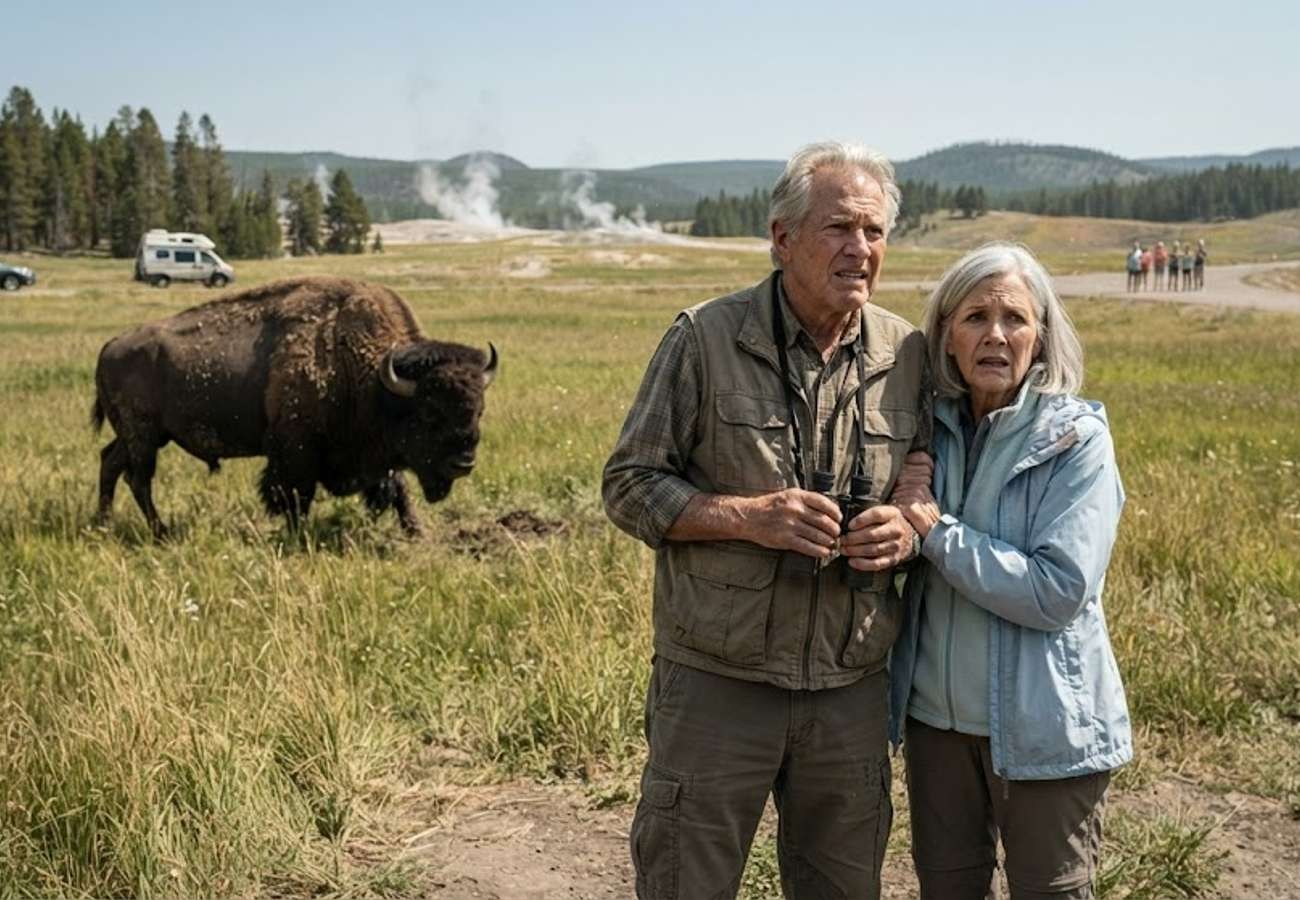
Image generated by AI
Yellowstone National Park is facing significant scrutiny from the public following a delayed safety announcement regarding "unpredictable" bison behavior. The advisory was issued on Wednesday, July 15, nearly a week after a violent encounter in which a bull bison tossed 65-year-old Carl Isom-McDaniel approximately eight feet into the air.
The timing of the National Park Service (NPS) alert has ignited a debate among visitors. While some argue the warning came too late to prevent the injury, others maintain that wildlife encounters are a matter of personal responsibility and common sense.
The Bison Rut and Behavioral Risks
The NPS social media warning specifically highlighted the start of the bison rut—the annual mating season that spans from late June through September. During this period, mature male bison exhibit distinct physiological and behavioral changes as they compete for breeding rights.
According to the park's guidance, bull bison may be seen with their mouths open, tongues extended, and upper lips pulled back. This behavior allows them to sniff pheromones to determine if a female is ready to breed. Dominance is further displayed through bellowing, wallowing, and physical combat with other bulls.
The park emphasized that regardless of how docile they may appear, bison remain wild and unpredictable. The official recommendation is for visitors to maintain a minimum distance of 25 yards (23 meters) and to retreat immediately if an animal charges.
Controversy Surrounding the Isom-McDaniel Attack
The reaction to the July 15 post has been polarized. Many social media users expressed frustration that the rut information was not more prominently featured before the attack on Isom-McDaniel.
However, the details of the incident suggest a more complex situation. Isom-McDaniel informed CNN that he and his 13-year-old grandson were initially positioned about 100 yards away from the bison. He believes the animal may have been triggered by a passing truck honking its horn, which potentially incited the chase.
Photographer Mike MacLeod, who captured the encounter on film, stated that the video serves as evidence that the victim was not at fault, noting that there was a vehicle between the man and the animal at the time of the charge.
Medical Aftermath and Wildlife Status
The attack resulted in a broken femur for Isom-McDaniel, who required hospitalization and surgery. He reported being unable to move upon impact but expressed gratitude that the animal did not gore or stomp him.
Despite the severity of the incident, park officials have indicated that no action will be taken against the bull bison. Euthanasia guidelines managed by the USDA Wildlife Service are strict, and the animal is not currently slated for removal.
Yellowstone Wildlife Safety Protocol
The National Park Service maintains rigorous regulations to prevent wildlife displacement and human injury. Violations of these rules can lead to severe penalties, including heavy fines, permanent bans from the park, and potential jail time.
Official Distance Requirements:
- Bison and Elk: Minimum 25 yards (23 meters).
- Bears, Wolves, and Cougars: Minimum 100 yards (91 meters).
Identifying Aggressive Behavior: Visitors are urged to recognize "warning signs" that a bison may charge, including:
- Head bobbing while staring.
- Bellowing or pawing the ground.
- Raising the tail.
- Bluff charging.
The NPS advises that the safest way to view wildlife is from within a vehicle. For those outside their cars, the use of binoculars or telephoto lenses with focal lengths of 300 mm or more is recommended to ensure adequate reach without encroaching on the animal's space.
Summary of Safety Guidelines and Penalties
| Category | Requirement/Guideline | Potential Penalty for Violation |
|---|---|---|
| Bison/Elk Distance | Minimum 25 yards (23 meters) | Steep fines, bans, or jail time |
| Predator Distance | Minimum 100 yards (91 meters) | Steep fines, bans, or jail time |
| Vehicle Conduct | Drive slowly; do not honk | Citation/Fine |
| Viewing Method | Telephoto lenses (300mm+) | N/A |
| Emergency Action | Retreat immediately if charged | N/A |
Key Takeaways
- Seasonal Danger: The bison rut (late June to September) increases male aggression due to mating competition.
- Distance is Vital: While 25 yards is the legal minimum for bison, some experienced visitors suggest 100 yards during the rut.
- Triggers: External noises, such as vehicle horns, can aggravate wild animals and trigger unpredictable charges.
- Legal Consequences: Approaching wildlife to the point of disturbing them is illegal and can result in criminal charges.
Frequently Asked Questions
What is a bison rut? The rut is the annual mating season for bison, occurring from late June to September, during which bulls become highly aggressive and territorial.
What should I do if a bison charges me in Yellowstone? The NPS recommends retreating immediately and walking or running away as quickly as possible. Carrying bear spray is also suggested as a deterrent.
Are the 25-yard rules strictly enforced? Yes. The NPS enforces wildlife viewing regulations strictly to protect both the animals and the visitors; violations can lead to fines or jail time.
Wildlife remains unpredictable, and adherence to distance guidelines is the only reliable way to ensure visitor safety.
Related Travel Guides
Disclaimer
This article is for informational and educational purposes only. It does not constitute legal, financial, or professional advice. While we strive to provide accurate and up-to-date information, travel policies, regulations, and conditions change rapidly. Always verify information with official sources before making travel decisions. Nomad Lawyer makes no representations about the accuracy, reliability, completeness, or suitability of the information provided. Readers should consult qualified professionals for advice specific to their circumstances. The views expressed in this article are those of the author and do not necessarily reflect the views of Nomad Lawyer.
Raushan Kumar
Founder & Lead Developer
Full-stack developer with 11+ years of experience and a passionate traveller. Raushan built Nomad Lawyer from the ground up with a vision to create the best travel and law experience on the web.
Learn more about our team →