
Yellowstone National Park Implements Emergency Fishing Ban Due to Lethal 68°F Water Temperatures in 2026
Yellowstone National Park has restricted fishing on key rivers starting July 9, 2026, to prevent trout mortality caused by lethal water temperatures exceeding 68°F and low river flows.

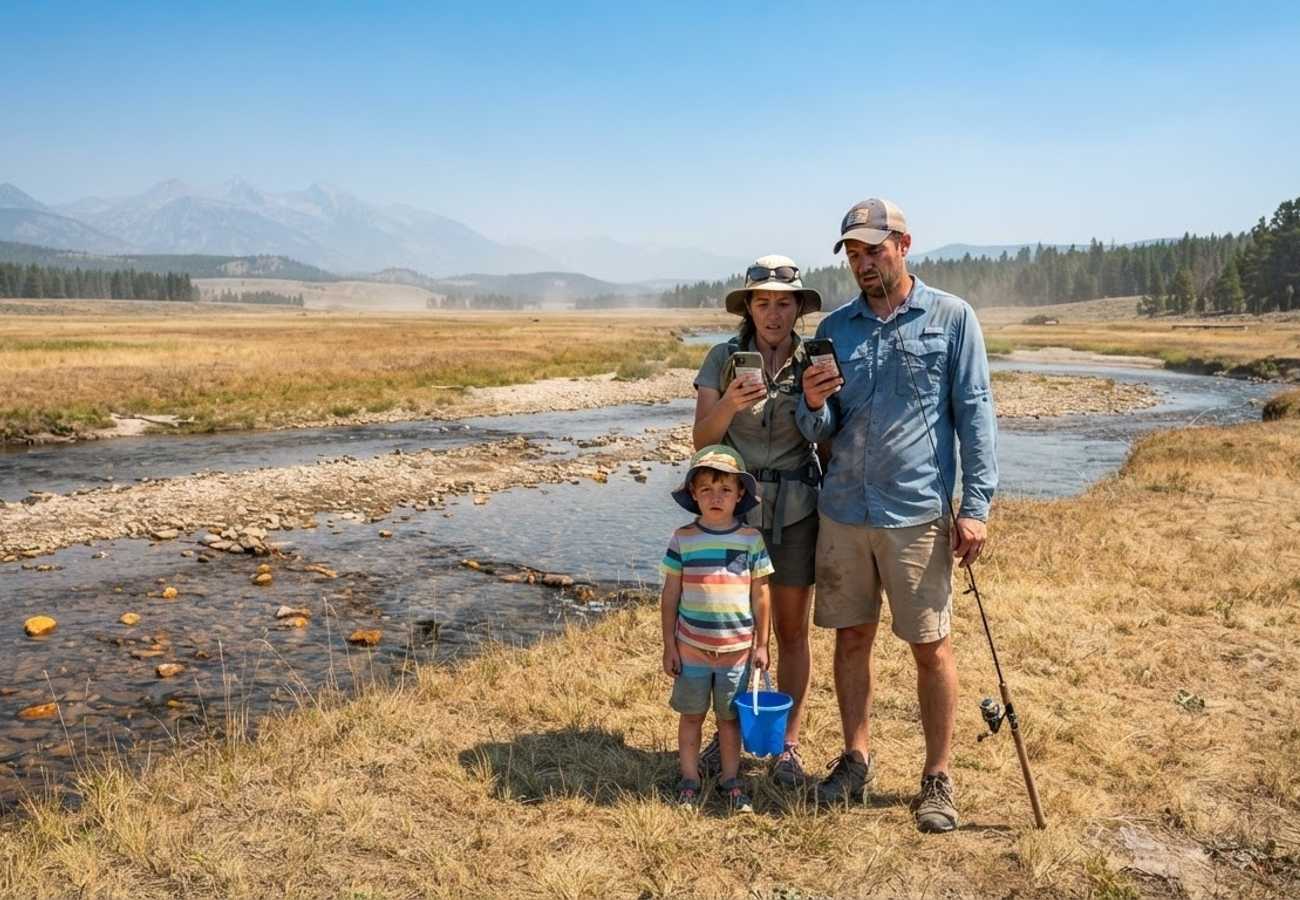
Image generated by AI
Yellowstone National Park has implemented emergency time-based fishing restrictions on specific waterways to prevent mass trout mortality during a period of extreme summer heat.
The National Park Service (NPS) initiated these measures on Thursday, July 9, 2026, citing "lethal" conditions for native fish populations. The restrictions target specific windows of the day when water temperatures peak and oxygen levels drop, creating a high-risk environment for the park's diverse trout species.
Emergency Fishing Restrictions and Timeline
The NPS has mandated that select rivers and streams are closed to fishing daily from 2:00 p.m. until sunrise the following day. This window corresponds with the highest thermal stress on the aquatic ecosystem.
Industry observers note that while the fishing season was extended this year by opening several weeks early to provide more optimal angling conditions, the current heatwave has forced a tactical retreat to protect the fisheries.
The following waterways are subject to the 2:00 p.m. to sunrise closure:
- Madison River and all associated tributaries.
- Firehole River and all associated tributaries.
- Gibbon River and all associated tributaries downstream of Norris Campground.
All other rivers and streams not listed above remain open. Yellowstone Lake and other designated lakes continue to operate under the standard 2026 Fishing Regulations booklet.
Thermal Thresholds and Biological Impact
The decision to restrict access is based on a critical biological threshold. Data indicates that water temperatures in affected areas have exceeded 68°F.
According to the American Fisheries Society’s “Trout and Char of the World,” most trout species thrive between 53°F and 66°F. Once water hits the 68°F mark, survival rates drop significantly.
Market trends in environmental management highlight two primary stressors occurring simultaneously:
- Low River Flows: Reduced water volume leads to faster heating.
- Oxygen Depletion: Warmer water holds less dissolved oxygen, forcing trout to exert more energy simply to breathe.
Under these conditions, even standard catch-and-release practices can be fatal. The physical stress of being hooked and fought to exhaustion can tip the biological scale toward mortality.
Critical Guidelines for Active Anglers
For those fishing during the permitted early morning hours, the NPS has issued strict handling protocols to ensure fish survival:
- Rapid Landing: Land fish quickly to minimize stress.
- Zero Exhaustion: Do not play hooked trout to the point of exhaustion.
- Submerged Handling: Keep fish in the water as much as possible.
- Recovery Time: Ensure fish have fully recovered before release.
Water Temperature Criticality Matrix
| Temperature Range | Impact on Trout Population | Management Action |
|---|---|---|
| 53°F - 66°F | Optimal survival and feeding | Standard Regulations |
| 68°F+ | Lethal threshold; low oxygen | Emergency Time-Based Bans |
| 90°F (Air Temp) | Increased water evaporation/heating | Potential for further restrictions |
Why This Matters: Industry Implication
This development underscores a growing trend in "climate-adaptive management" within the U.S. National Park system. The shift from static seasonal dates to dynamic, condition-based closures indicates that park authorities are prioritizing ecosystem viability over tourist convenience.
For the travel industry, this signals a move toward "volatile scheduling." Travelers can no longer rely on annual brochures; they must monitor real-time NPS alerts. The fact that similar bans occurred in June of the previous year, only resuming in September 2025, suggests that these "temporary" measures may become a permanent fixture of the summer experience in the American West.
Forward Outlook
The NPS has stated that these closures may be lifted or further expanded based on ongoing condition assessments. With air temperatures forecasted to reach 90°F in the coming days, it is probable that restrictions will remain in place through the peak of the heatwave. Anglers should expect a high degree of regulatory volatility and are advised to verify the status of specific tributaries daily.
Extreme thermal stress is transforming the traditional summer angling calendar into a series of emergency windows.
Related Travel Guides
Disclaimer
This article is for informational and educational purposes only. It does not constitute legal, financial, or professional advice. While we strive to provide accurate and up-to-date information, travel policies, regulations, and conditions change rapidly. Always verify information with official sources before making travel decisions. Nomad Lawyer makes no representations about the accuracy, reliability, completeness, or suitability of the information provided. Readers should consult qualified professionals for advice specific to their circumstances. The views expressed in this article are those of the author and do not necessarily reflect the views of Nomad Lawyer.
Raushan Kumar
Founder & Lead Developer
Full-stack developer with 11+ years of experience and a passionate traveller. Raushan built Nomad Lawyer from the ground up with a vision to create the best travel and law experience on the web.
Learn more about our team →