
US Road Trips Tourism Revival: International Travelers Rediscover Iconic Highways, Scenic Routes, and Cross-Country Adventures Across America
A strong post-pandemic recovery sees international tourists flocking to US highways, reviving local diners, motels, and rural economies through self-driven tours.

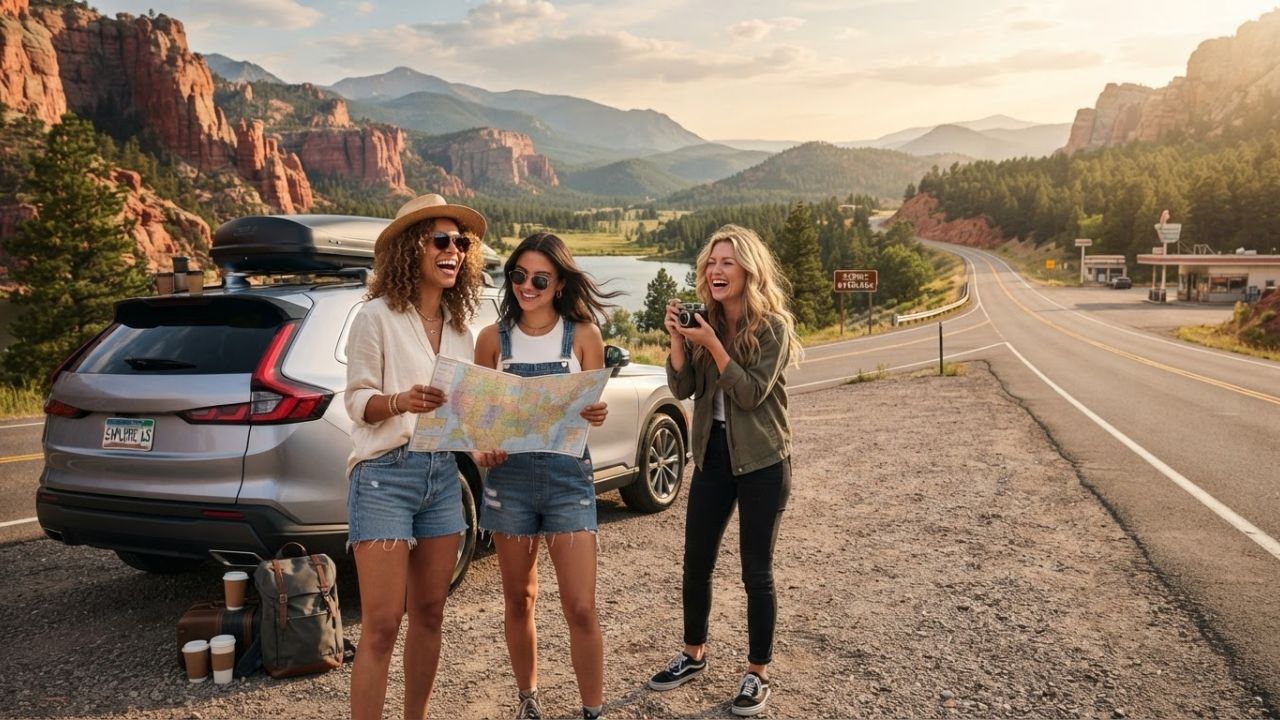
Image generated by AI
International travelers are driving a significant resurgence in US highway tourism. This shift toward self-driven itineraries is channeling visitor spending directly into rural motels, local diners, and national park gateway towns.
Global Leisure Travelers Shift Toward Independent Vehicle Tours
According to reports, international tourist arrivals in the United States are showing a strong post-pandemic recovery.
Promotional programs launched by Brand USA emphasize the diversity of regional itineraries outside major coastal gateways.
Camping and access regulations updated by the National Park Service (NPS) show high seasonal demand for vehicle passes at national parks.
By choosing car rentals over domestic flights, travelers can explore remote communities and natural reserves.
The table below outlines the primary scenic and historic road corridors driving this tourism growth.
Historic and Scenic Road Trip Corridors in the United States
| Highway Corridor | Key Regional Settings | Primary Attractions | Recommended Trip Duration |
|---|---|---|---|
| Route 66 | Chicago to Santa Monica | Historic roadside diners, neon signs, desert ghost towns | 10 to 14 days (complete route) |
| Pacific Coast Highway (PCH) | Northern to Southern California | Coastal cliffs, redwood forests, ocean vistas | 5 to 7 days (leisurely pace) |
| Blue Ridge Parkway | Virginia and North Carolina | Appalachian mountain ridges, forest hiking trails | 3 to 5 days (autumn peak) |
| Going-to-the-Sun Road | Glacier National Park (Montana) | Alpine lakes, glacial valleys, high mountain passes | 1 to 2 days (seasonal summer opening) |
Consumer Motivations Drive Return to Self-Driven Itineraries
A growing preference for travel flexibility is directing tourists toward road-based itineraries.
Road trips offer travelers the freedom to modify their schedules based on daily weather and local discoveries.
- Slow Travel Trend: Visitors spend more time exploring a single state rather than rushing between distant capitals.
- Control Over Comfort: Renting a private vehicle helps travelers avoid crowded public transit hubs and tight schedules.
- Nature Access: Car travel is the only practical way to reach remote trailheads and protected wilderness areas.
Iconic Highway Corridors Anchor the Cross-Country Revival
Historic routes like Route 66 continue to attract international visitors seeking classic Americana.
These highways offer a retro travel experience marked by preserved mid-century motels, diners, and neon signage.
Further west, coastal drives like the Pacific Coast Highway show steady bookings from European and Asian markets.
These scenic corridors are marketed not just as transport routes, but as cultural destinations in their own right.
Regional Business Sectors Benefit from Corridor Tourism
The revival of highway travel is spreading tourism revenue into rural communities across the country.
Small-town diners, family-owned motels, gas stations, and local souvenir shops report increased transactions.
- Economic Distribution: Highway tourism redirects visitor spend away from major urban centers.
- Job Creation: Increased road traffic supports local employment in the regional hospitality and service sectors.
- Community Retention: Historic preservation projects along routes like Route 66 are funded directly by tourism commerce.
Digital Navigation Tools Simplify Remote Route Planning
The widespread availability of mobile navigation apps has made driving in a foreign country simpler.
International travelers use real-time GPS tools, online reservation platforms, and digital park guides to manage their transit.
Furthermore, booking systems allow visitors to reserve motel slots and rental cars while on the road.
These digital tools reduce travel friction, giving self-driven tourists the confidence to explore remote regions.
Why This Matters
Our analysis of the leisure travel sector indicates that road trips provide a highly effective buffer against urban tourism congestion. By encouraging tourists to drive through rural counties, municipal planners can support regional businesses.
This model of travel helps maintain stable economic conditions for communities located far from major airports.
Additionally, the popularity of national parks highlights the need to balance visitor volume with environmental protection.
For the traveler, a road trip provides a personalized look at diverse cultures and environments.
Ultimately, these open-road journeys show that travelers are looking for deeper engagement with the places they visit.
Forward Outlook
Market trends suggest that rental car agencies will expand their fleets of hybrid and electric vehicles to meet eco-tourist demand. State tourism boards are projected to launch combined multi-state road trip passes.
Expect booking platforms to introduce automated itinerary builders that suggest local roadside stops. The highway tourism sector is projected to remain a major growth driver through 2030.
Disclaimer
This article is for informational and educational purposes only. It does not constitute legal, financial, or professional advice. While we strive to provide accurate and up-to-date information, travel policies, regulations, and conditions change rapidly. Always verify information with official sources before making travel decisions. Nomad Lawyer makes no representations about the accuracy, reliability, completeness, or suitability of the information provided. Readers should consult qualified professionals for advice specific to their circumstances. The views expressed in this article are those of the author and do not necessarily reflect the views of Nomad Lawyer.
Kunal K Choudhary
Co-Founder & Contributor
A passionate traveller and tech enthusiast. Kunal contributes to the vision and growth of Nomad Lawyer, bringing fresh perspectives and driving the community forward.
Learn more about our team →