
WTTC and World Governments Summit Form Global Tourism Partnership
The World Travel & Tourism Council (WTTC) partners with the World Governments Summit (WGS) to align public policy with private sector tourism growth.

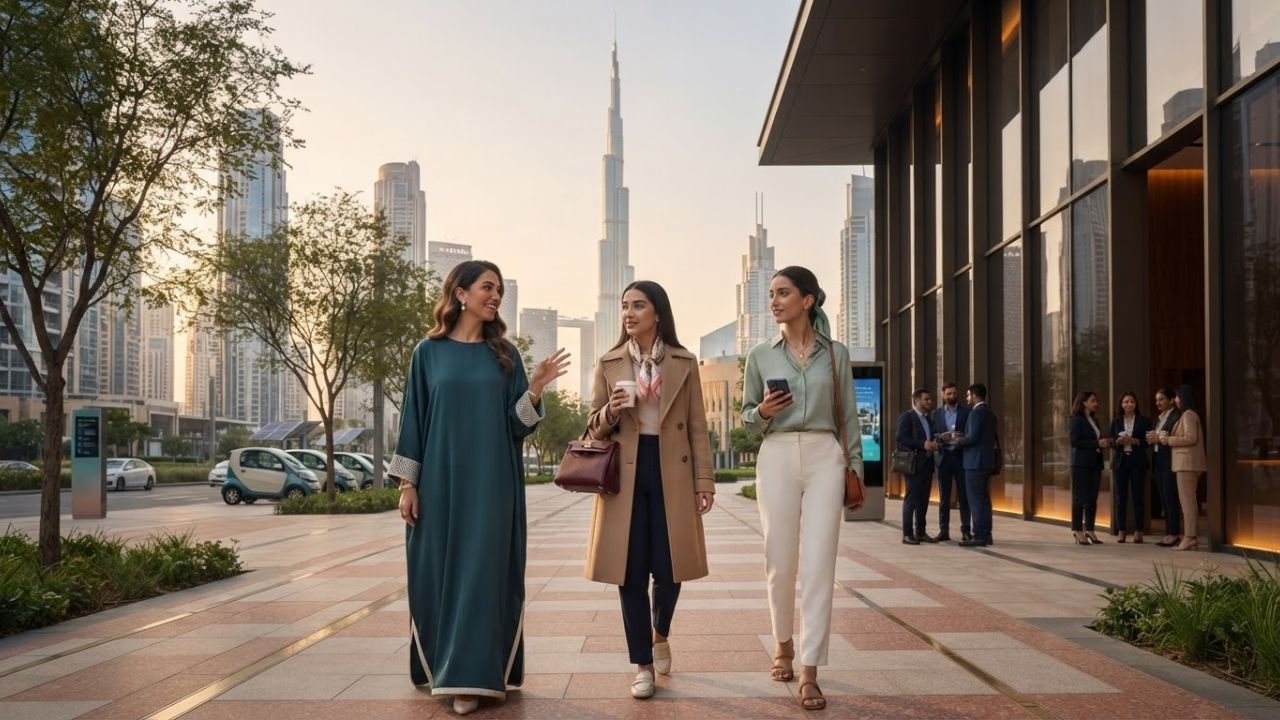
Image generated by AI
The World Travel & Tourism Council and the World Governments Summit Organization have signed a Memorandum of Understanding, establishing a global platform to coordinate travel policy, technology investment, and sustainable tourism development.
The Local Trend Revealed: Unified Tourism Policy Frameworks
A prominent trend in the global visitor economy is the formalization of strategic partnerships between international tourism organizations and state governance summits. Rather than developing policy responses independently, public and private sector leaders are establishing unified channels to address systemic challenges. This collaborative approach has been solidified through a Memorandum of Understanding (MoU) signed between the World Travel & Tourism Council (WTTC) and the World Governments Summit Organization (WGS).
The strategic partnership links WTTC's global private sector network with WGS's convening capacity:
- MoU Signatories: Signed by Gloria Guevara, President and CEO of WTTC, and Mohammad Yousef Al Sharhan, Managing Director of the World Governments Summit Organization, with support from Mohammad Abdullah Al Gergawi, UAE Minister of Cabinet Affairs and Chairman of WGS.
- Summit Scale: The collaboration leverages the platform of the World Governments Summit, which was established in 2013 as a global knowledge-exchange center. The 2026 World Governments Summit, held from February 3 to 5, 2026, involved the participation of more than 35 heads of state and government, representatives from over 150 governments, and more than 6,000 attendees.
- Key Policy Objectives: The agreement establishes a structured platform to coordinate studies, reports, joint projects, and knowledge exchange covering technology integration, environmental sustainability, investment regulations, and workforce planning.
- Technology Focus: High-priority areas include the implementation of digital identity systems, artificial intelligence (AI), automation, and data-driven destination management to streamline border processes and traveler transit.
This framework strengthens the United Arab Emirates’ (UAE) position as a policy-making hub, using the WGS ecosystem to develop regional and international travel initiatives.
WTTC & World Governments Summit Partnership Framework (2026)
| Strategic Policy Pillar | Core Objective | Technology Priorities | Collaboration Mechanism | Key Governance Participants |
|---|---|---|---|---|
| Public-Private Alignment | Streamline regional regulations | Digital identity, smart gates | Joint reports and research | Heads of state, WTTC members |
| Sustainable Investment | Balance visitor growth with ecology | Carbon-tracking systems | Policy frameworks, best practices | Environmental ministries, investors |
| Workforce Development | Match education to industry gaps | Training portal automation | Knowledge-exchange dialogue | Hospitality leaders, policymakers |
| Destination Resilience | Standardize infrastructure investment | Data-driven management tools | UAE and international events | WGS organization, tourism boards |
Cultural & Environmental Value: Supporting Global Conservation Policies
For the traveler, the real impact of this global policy alignment is the transition of high-level sustainability goals into concrete, operational destination rules. When international bodies coordinate investment guidelines, it enables the development of low-impact transport systems and community-first hospitality policies in fragile ecosystems.
Mapped in coordination with the World Travel & Tourism Council (WTTC) and national environmental ministries, this framework channels resources directly into preserving cultural heritage sites and municipal conservation programs. This protects local environments and sustains regional heritage.
Destination Specialist Local Insider Tips
To help you navigate international hubs and understand emerging travel policies comfortably, regional specialists suggest the following tips:
- Savor Al Harees in Dubai: Experience regional Middle Eastern gastronomy. While traveling through transit hubs like Dubai, taste Al Harees (a traditional slow-cooked dish made of ground wheat, tender meat, and a pinch of salt, drizzled with local clarified butter) at authentic Emirati kitchens.
- Use Smart Gates at TPA and DXB: Take advantage of automated smart gates and digital identity systems at major airports to minimize customs clearance times.
- Choose Certified Green Lodging: When booking stays, look for hotels that hold active sustainability certifications validated by WTTC frameworks, ensuring your spending supports local ecology.
- Review Border Entry Smart Systems: Monitor international travel portals before departure. Smart systems are continuously updated under public-private policy alignments, altering visa and check-in steps.
- Explore Ras Al Khor Sanctuary: Take an under-the-radar detour. Explore the Ras Al Khor Wildlife Sanctuary near Dubai, a protected wetland reserve home to thousands of migratory birds and flamingos, supporting local environmental conservation.
Long-Term Outlook: Future-Ready Tourism Ecosystems
The long-term outlook for global tourism governance remains strong, driven by the expansion of international policy platforms and technological integration. As WGS and WTTC deploy joint research projects and establish multi-lateral investment guidelines, destination resilience will strengthen. By pairing private sector innovation with government backing, planners are building a highly competitive, future-ready travel industry.
Related Travel Guides
Disclaimer
This article is for informational and educational purposes only. It does not constitute legal, financial, or professional advice. While we strive to provide accurate and up-to-date information, travel policies, regulations, and conditions change rapidly. Always verify information with official sources before making travel decisions. Nomad Lawyer makes no representations about the accuracy, reliability, completeness, or suitability of the information provided. Readers should consult qualified professionals for advice specific to their circumstances. The views expressed in this article are those of the author and do not necessarily reflect the views of Nomad Lawyer.
Raushan Kumar
Founder & Lead Developer
Full-stack developer with 11+ years of experience and a passionate traveller. Raushan built Nomad Lawyer from the ground up with a vision to create the best travel and law experience on the web.
Learn more about our team →