
Catawba County Tourism Revenue Reaches Record $363 Million
Catawba County tourism generates over $363 million in visitor spending in 2025, boosting employment and tax revenues across North Carolina.

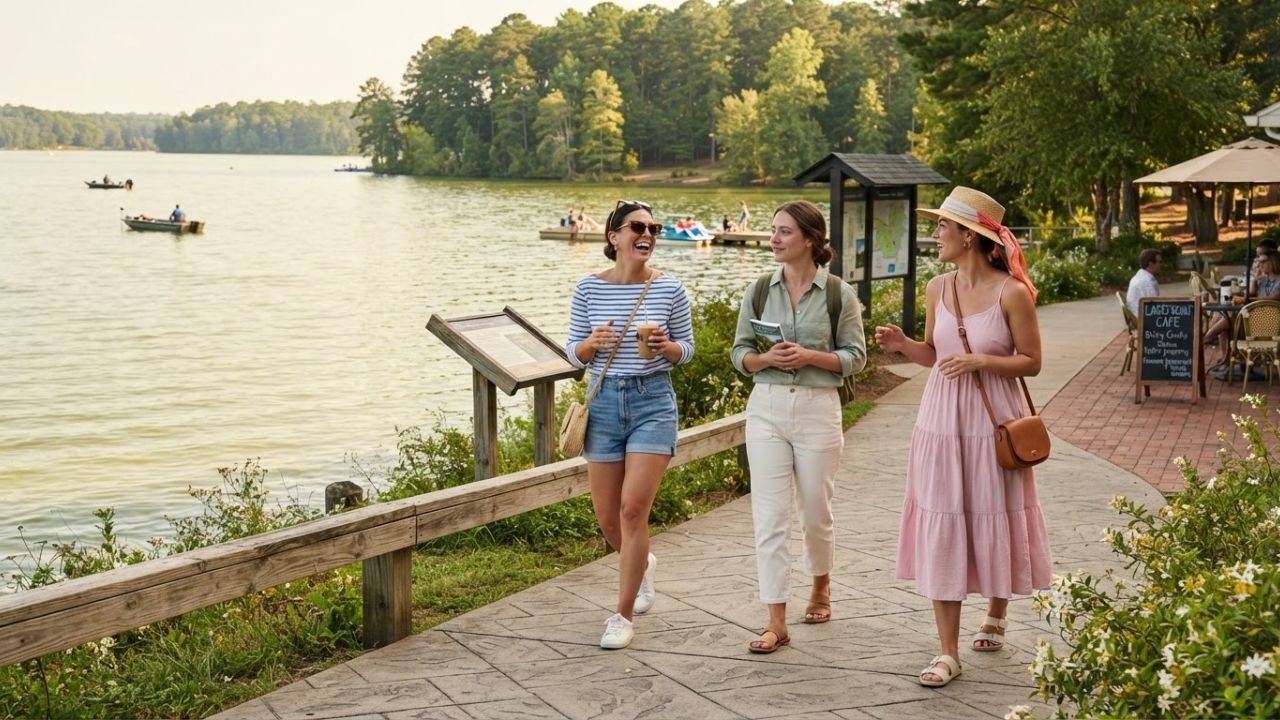
Image generated by AI
Catawba County visitors generated more than $363 million in direct travel spending in 2025, supporting 2,551 local jobs and producing $27.47 million in state and local tax revenues.
The Local Trend Revealed: Regional Tourism Coalitions
A growing trend in the domestic travel sector is the coordination of multi-county regional coalitions to capture visitor traffic. Travelers increasingly traverse county borders, combining outdoor recreation, business conventions, and sports tourism into a single travel experience. This regional approach has been highlighted in western North Carolina, where Catawba, Burke, Caldwell, and Alexander counties operate as a collective travel network.
According to the "Economic Impact of Travel on North Carolina Counties" report, compiled for Visit North Carolina by Tourism Economics, the economic footprint of visitor spending shows positive growth indicators in 2025:
- Catawba County Growth: Visitor spending reached more than $363 million, representing a 3.5 percent increase compared to 2024.
- Workforce Opportunities: Travel demand supported 2,551 direct jobs and generated approximately $90.77 million in payroll across local hospitality, dining, and retail sectors.
- Public Revenue Collections: Travel spending produced estimated $14.58 million in state tax revenue and $12.89 million in local tax revenue. This tax contribution resulted in approximately $161.56 in state and local tax savings for each county resident.
- Regional Integration: The four-county area (Catawba, Burke, Caldwell, and Alexander) collectively recorded more than $638 million in visitor spending, supporting more than 4,200 direct jobs.
- North Carolina Statewide Benchmark: Statewide, visitors generated $37.2 billion in travel spending (a 1.3 percent increase over 2024), supporting 230,997 direct jobs, and producing approximately $9.848 billion in payroll and more than $2.72 billion in state and local taxes.
This growth shows the impact of sports tournaments, corporate meetings, and natural heritage sites in attracting domestic travelers throughout the seasons.
Western North Carolina Tourism Economic Impact (2025)
| Target County / Region | Stated Visitor Spending | Direct Jobs Supported | Stated Employee Payroll | State & Local Tax Revenue |
|---|---|---|---|---|
| Catawba County | More than $363 million | 2,551 direct jobs | Approx. $90.77 million | $14.58M state / $12.89M local |
| Four-County Region | More than $638 million | More than 4,200 jobs | Stated regional wages | Combined municipal taxes |
| North Carolina State | $37.2 billion | 230,997 direct jobs | Approx. $9.848 billion | More than $2.72 billion |
| Growth Rates (NC/Catawba) | Up 3.5% (Catawba) | Up 1.3% (Statewide) | 2025 fiscal calculations | Resident savings: $161.56 per capita |
Cultural & Environmental Value: Supporting Appalachian Heritage
For the traveler, the real impact of this regional travel trend is the ability to engage in low-impact outdoor recreation and support community-led historic preservation. By patronizing independent artisans, local farmers' markets, and small guiding operations in the Foothills region, tourists keep money within the local agricultural economy.
Mapped in coordination with Visit North Carolina and regional parks authorities, these tourism revenues fund the preservation of local waterways, public greenways, and historic furniture heritage centers. This ensures that regional environments are protected and local heritage is preserved.
Destination Specialist Local Insider Tips
To help you navigate local heritage sites and plan your trip to the Foothills comfortably, regional specialists suggest the following tips:
- Savor Hickory-Smoked Barbecue: Experience regional North Carolina gastronomy. Visit traditional family-owned smokehouses in Hickory to eat authentic Lexington-style Hickory-Smoked Barbecue (pulled pork shoulders smoked slowly over hickory wood, basted with a tangy vinegar, tomato, and red pepper flake 'dip', served with red slaw).
- Verify Regional Sports Schedules: Check local tournament schedules before booking accommodation. Due to the high volume of sports tourism, hotel availability in Hickory can become limited during regional collegiate and amateur tournaments.
- Explore Bakers Mountain Park: Take an under-the-radar detour. Walk the trails at Bakers Mountain Park, the highest elevation point in Catawba County, featuring quiet pine forests and scenic viewpoints away from urban event spaces.
- Leverage the Four-County Trail Network: Use regional maps to coordinate hikes across Caldwell and Burke counties, accessing the Pisgah National Forest trails.
- Support Newton Heritage Sites: Visit historic downtown Newton to explore community-led history museums and learn about the region's traditional pottery and textile mills.
Long-Term Outlook: Multi-County Collaborations
The long-term outlook for western North Carolina's regional tourism sector remains positive, driven by the expansion of multi-county trail systems and sports facility upgrades. As county tourism boards continue to collaborate on marketing campaigns and invest in green-tourism infrastructures, visitor demand will grow. By aligning business and sports tourism growth with sustainable park preservation guidelines, local planners are building a resilient, long-term travel destination.
Related Travel Guides
Disclaimer
This article is for informational and educational purposes only. It does not constitute legal, financial, or professional advice. While we strive to provide accurate and up-to-date information, travel policies, regulations, and conditions change rapidly. Always verify information with official sources before making travel decisions. Nomad Lawyer makes no representations about the accuracy, reliability, completeness, or suitability of the information provided. Readers should consult qualified professionals for advice specific to their circumstances. The views expressed in this article are those of the author and do not necessarily reflect the views of Nomad Lawyer.
Naina Thakur
Contributor & Travel Specialist
Travel enthusiast and legal writer covering visa regulations, responsible tourism, and cultural journeys across global destinations.
Learn more about our team →