
Airbus A350's Exclusive Engine Lock-In: Why Rolls-Royce Dominance Is Built Into the Aircraft's DNA
Breaking airline news and aviation industry updates for 2026.

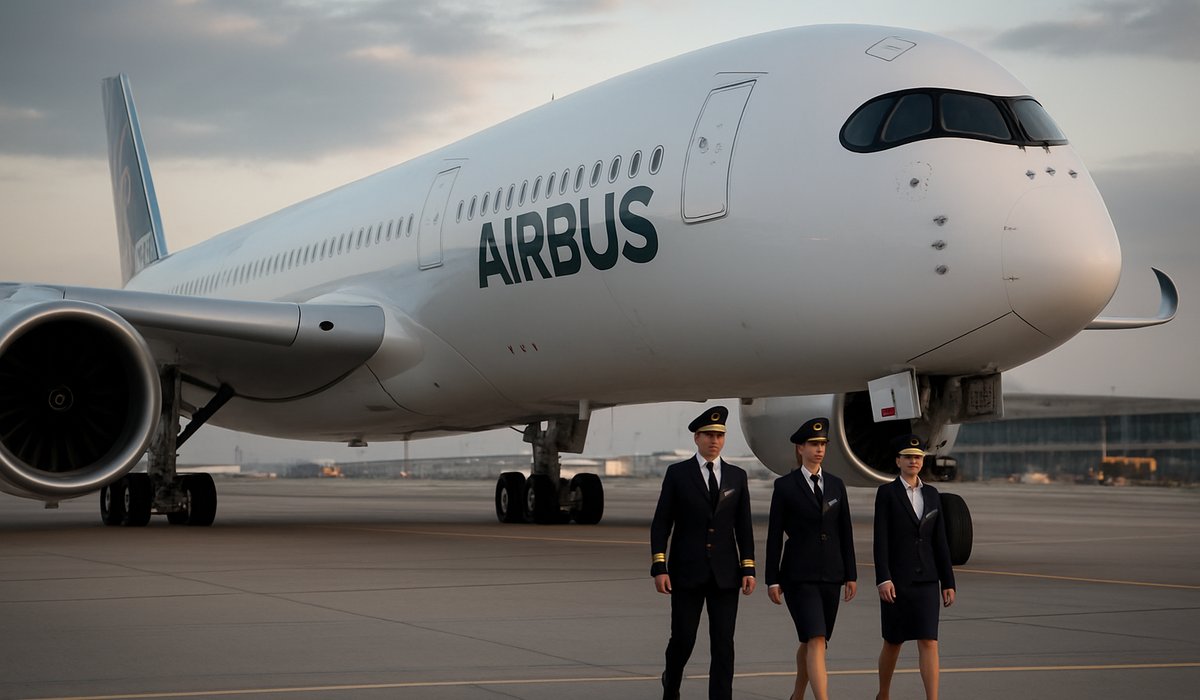
Image generated by AI
Airbus A350's Exclusive Engine Lock-In: Why Rolls-Royce Dominance Is Built Into the Aircraft's DNA
The aircraft manufacturer's strategic decision to design a single-engine platform has created an unprecedented long-term competitive advantage in the widebody jet market
A Deliberate Engineering Strategy
When Airbus conceptualized the A350 widebody program, company engineers made a consequential decision that would reverberate through the aviation industry for decades: the aircraft would operate exclusively with Rolls-Royce Trent XWB engines, with no alternative powerplant options available to operators. This departure from conventional aircraft design—where manufacturers typically engineer airframes to accommodate multiple engine choices—has fundamentally reshaped the competitive dynamics of the commercial aviation sector.
Unlike its competitors, including Boeing's 787 Dreamliner, which offers operators flexibility between General Electric and Rolls-Royce engines, the A350 platform was architected from inception around a single propulsion system. More than a decade since the aircraft entered revenue service, this exclusivity persists without any realistic pathway for General Electric or Pratt & Whitney to develop competing alternatives.
The Engineering Architecture Behind the Lock-In
The A350's design optimization represents a strategic calculation by Airbus engineers who determined that integrating the aircraft's systems—from airframe geometry to fuel consumption profiles to avionic integration—around a singular engine architecture would deliver superior aerodynamic efficiency and operational performance.
This approach contrasts sharply with traditional widebody development, where manufacturers deliberately design flexible engine mounts and auxiliary systems to accommodate multiple turbofan options. Such flexibility increases manufacturing complexity but provides airlines with competitive engine selection and negotiating leverage.
Airbus's monolithic approach eliminated these choices, instead maximizing the synergies between the Trent XWB's performance characteristics and the A350's structural design. The configuration has proven operationally effective, with airlines praising the aircraft's fuel efficiency—a critical metric in an industry confronting volatile jet fuel prices and carbon emission regulations.
Industry Implications and Competitive Positioning
The exclusivity arrangement strengthens Rolls-Royce's commercial position within the widebody market segment. Airlines operating A350 fleets face a captive aftermarket for engine maintenance, parts, and overhauls—a lucrative revenue stream spanning decades of aircraft operations.
Meanwhile, General Electric and Pratt & Whitney, despite their technological capabilities and market presence in other widebody segments, remain excluded from A350 powerplant opportunities. This represents a significant commercial loss, particularly as the A350 gains market traction against competing aircraft types.
The arrangement also signals Airbus's confidence in Rolls-Royce's engineering reliability and long-term viability as an exclusive partner—a strategic bet that has paid dividends as the engine manufacturer maintains performance standards across the expanding A350 global fleet.
FAQ: Understanding A350 Engine Exclusivity
Why doesn't the Airbus A350 offer alternative engine options like other widebody aircraft? Airbus engineered the A350 specifically around Rolls-Royce Trent XWB engines to optimize aerodynamic efficiency, fuel consumption, and system integration from the ground up, rather than designing a flexible platform accommodating multiple engine types.
Can General Electric or Pratt & Whitney develop engines for the A350? No realistic pathway exists for alternative manufacturers to develop competing engines without essentially redesigning the aircraft's airframe, fuel systems, and integrated avionics—an economically impractical undertaking.
Does engine exclusivity increase operating costs for A350 airlines? Potentially, yes. Airlines have limited negotiating leverage for engine maintenance and parts supply, though the A350's superior fuel efficiency may offset higher aftermarket costs.
How does the A350's single-engine approach compare to the Boeing 787? The 787 offers airlines a choice between General Electric GEnx and Rolls-Royce Trent 1000 engines, providing competitive flexibility that A350 operators do not have.
What is the long-term commercial impact for Rolls-Royce? The exclusive arrangement guarantees Rolls-Royce decades of high-margin aftermarket revenue from A350 maintenance, parts, and overhaul services across a growing global fleet.
Related Travel Guides
-
Air Canada Routes A321XLR: 9-Hour Nonstop Transatlantic Expansion
-
Five World Airports Where Pilots Face Their Most Demanding Landing Challenges
External Resources
Disclaimer
This article is for informational and educational purposes only. It does not constitute legal, financial, or professional advice. While we strive to provide accurate and up-to-date information, travel policies, regulations, and conditions change rapidly. Always verify information with official sources before making travel decisions. Nomad Lawyer makes no representations about the accuracy, reliability, completeness, or suitability of the information provided. Readers should consult qualified professionals for advice specific to their circumstances. The views expressed in this article are those of the author and do not necessarily reflect the views of Nomad Lawyer.
Raushan Kumar
Founder & Lead Developer
Full-stack developer with 11+ years of experience and a passionate traveller. Raushan built Nomad Lawyer from the ground up with a vision to create the best travel and law experience on the web.
Learn more about our team →