
Emirates Removes 46 Seats From A380 Fleet as Airlines Pivot Away From Maximum-Density Strategy
Breaking airline news and aviation industry updates for 2026.

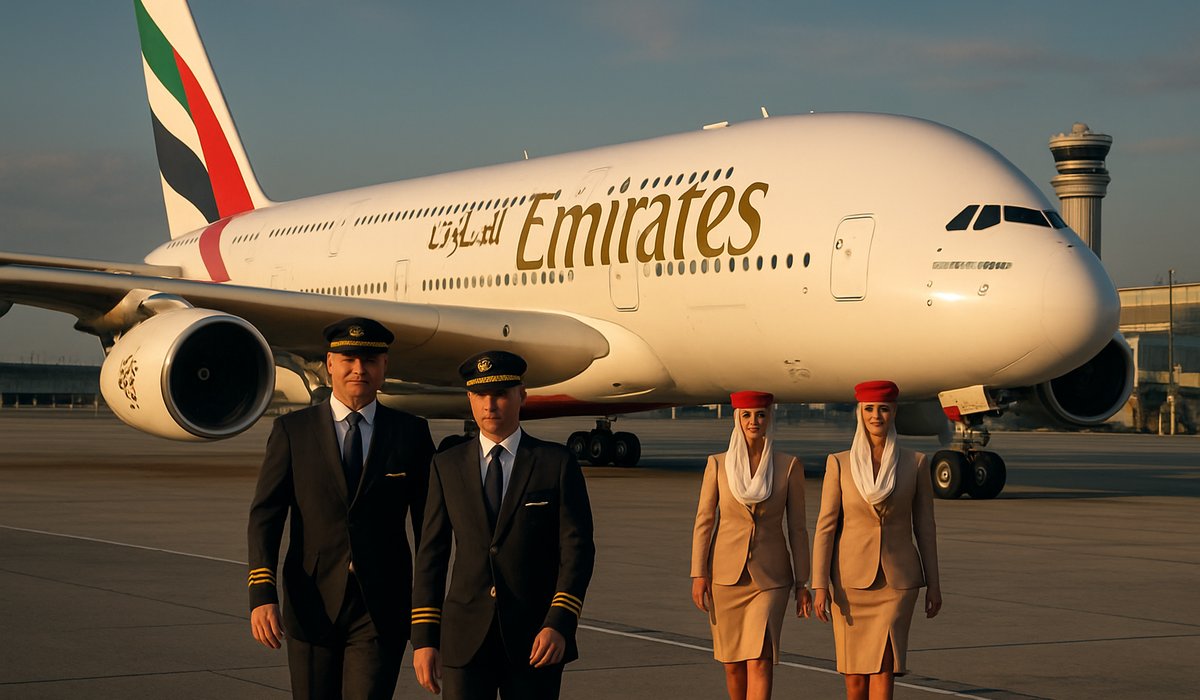
Image generated by AI
Emirates Removes 46 Seats From A380 Fleet as Airlines Pivot Away From Maximum-Density Strategy
Legacy carriers embrace premium cabin expansion over volume-focused seating models, signaling fundamental shift in aviation economics
Industry Reconfiguration Marks End of Passenger-Volume Era
Emirates has undertaken a significant cabin restructuring of its flagship Airbus A380 fleet, removing 46 seats from its densest configurations—a strategic move that reflects a broader transformation sweeping through legacy airlines worldwide. The reconfiguration prioritizes high-margin premium seating over economy-class capacity, marking a departure from decades-old industry doctrine centered on maximizing passenger volume to reduce unit costs.
The decision underscores a fundamental realignment in how major carriers approach aircraft economics and revenue optimization. Rather than pursuing aggressive seat-density models that dominated planning strategies throughout the 2010s, network planners are increasingly recognizing that premium cabin expansion delivers superior profit margins on long-haul, high-demand routes.
Shifting Passenger Preferences Drive Strategic Rethink
For years, the aviation industry's prevailing logic held that cramming maximum passengers into widebody aircraft—particularly on lucrative intercontinental routes—represented the most efficient path to lowering seat-mile costs. However, sustained changes in booking patterns and consumer behavior have forced a strategic recalibration.
"Contemporary purchasing trends reveal passengers increasingly willing to invest in premium experiences," industry observers note, suggesting that airlines can generate substantially higher revenue per available seat by dedicating capacity to business and premium economy cabins rather than expanding economy sections.
Emirates' reconfiguration exemplifies this paradigm shift, demonstrating that legacy carriers are willing to sacrifice overall seat count for improved profitability metrics and premium service delivery.
Broader Aviation Industry Implications
The restructuring reflects mounting pressures within commercial aviation, including volatile jet fuel prices and intensifying competition on major international routes. By prioritizing premium positioning, Emirates positions itself to capture higher-yielding passengers while reducing operational exposure to cost fluctuations affecting economy-class profitability.
This strategic realignment carries significant implications for the broader travel landscape. Passengers may encounter reduced economy availability on popular routes, potentially driving higher base fares for mass-market travelers while creating expanded premium offerings for business and leisure segments willing to pay substantial premiums.
The A380, once celebrated as aviation's ultimate high-capacity platform, now serves as the canvas for Emirates' premium-focused vision—a symbolic shift toward quality-over-quantity dynamics reshaping modern aviation economics.
FAQ: Emirates A380 Cabin Changes and Airline Industry Trends
Q: Why are airlines reducing seat counts instead of maximizing capacity? A: Premium cabin revenue substantially exceeds economy margins on long-haul routes. Airlines increasingly prioritize high-yield passenger segments over total volume.
Q: How do jet fuel prices influence cabin reconfiguration decisions? A: Volatile fuel costs make economy-dependent models riskier. Premium-focused strategies provide revenue stability regardless of fuel market fluctuations.
Q: Will baggage charges increase as economy seats decline? A: Airlines may implement ancillary revenue adjustments, though direct correlation requires broader industry-wide analysis.
Q: What does this mean for economy travelers booking long-haul flights? A: Reduced economy availability on popular routes may increase base fares and limit seat selection options for budget-conscious passengers.
Q: Are other airlines following Emirates' cabin reconfiguration strategy? A: Yes—legacy carriers globally are restructuring widebody fleets to expand premium capacity at the expense of economy density.
Related Travel Guides
External Resources
Disclaimer
This article is for informational and educational purposes only. It does not constitute legal, financial, or professional advice. While we strive to provide accurate and up-to-date information, travel policies, regulations, and conditions change rapidly. Always verify information with official sources before making travel decisions. Nomad Lawyer makes no representations about the accuracy, reliability, completeness, or suitability of the information provided. Readers should consult qualified professionals for advice specific to their circumstances. The views expressed in this article are those of the author and do not necessarily reflect the views of Nomad Lawyer.
Kunal K Choudhary
Co-Founder & Contributor
A passionate traveller and tech enthusiast. Kunal contributes to the vision and growth of Nomad Lawyer, bringing fresh perspectives and driving the community forward.
Learn more about our team →