
Five World Airports Where Pilots Face Their Most Demanding Landing Challenges
Breaking airline news and aviation industry updates for 2026.

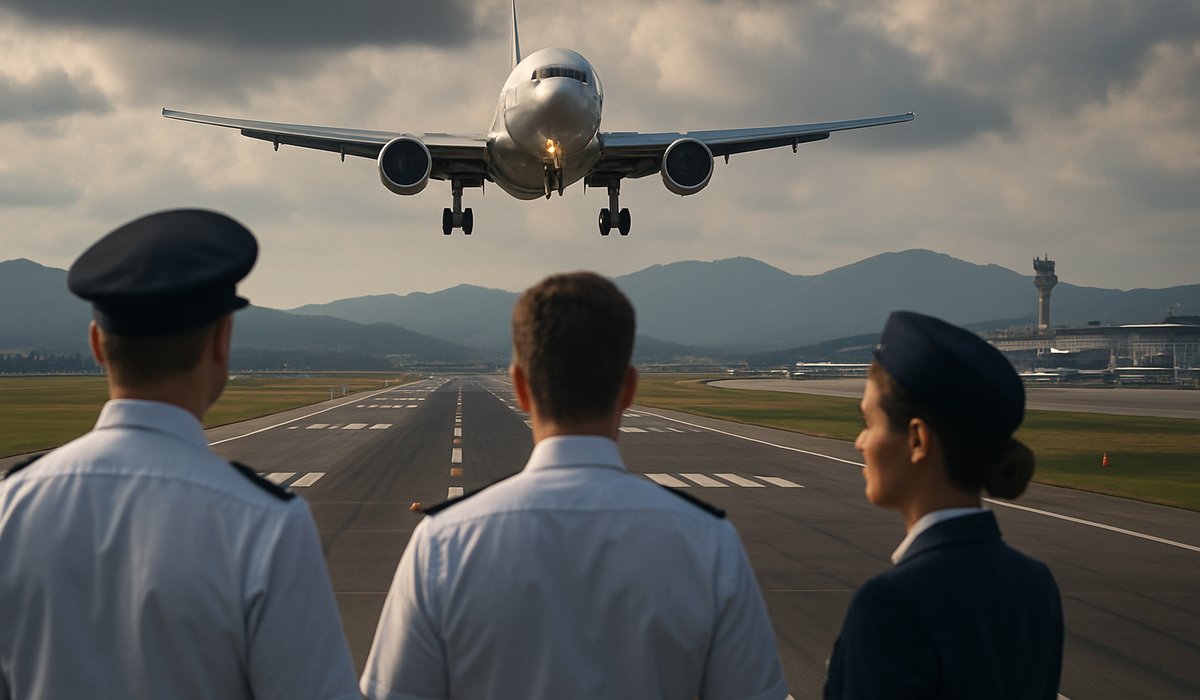
Image generated by AI
Five World Airports Where Pilots Face Their Most Demanding Landing Challenges
Extreme terrain, altitude constraints, and unpredictable weather create operational bottlenecks at these critical global aviation hubs
The Hidden Complexity Behind Commercial Aviation's Most Dangerous Approaches
Landing an aircraft represents one of aviation's most technically demanding procedures, yet few travelers grasp the extraordinary skill required at certain global airports. While commercial pilots undergo rigorous training for standard operations, a select number of international airports demand specialized certifications, additional flight hours, and years of accumulated experience before pilots can legally operate there.
These five airports stand out as particular flashpoints in global aviation, where natural geography, extreme weather systems, and infrastructure constraints converge to create conditions that separate experienced aviators from those still building expertise.
What Makes These Airports Exceptionally Challenging
The airports that consistently rank highest among professional pilots share several dangerous characteristics. Mountainous topography surrounding approach corridors forces narrow flight paths with minimal margin for error. Unusually abbreviated runways compress the already-critical landing window, demanding precision that exceeds standard commercial operations.
High-altitude locations present additional complications, as thinner air reduces aircraft lift and engine performance at the exact moment pilots need maximum control. Meanwhile, unpredictable weather patterns—from sudden wind shears to rapid visibility changes—transform routine approaches into dynamic problem-solving exercises that demand split-second decision-making.
Industry-Wide Training Implications
Airlines operating routes to these challenging airports invest significantly in specialized pilot development programs. Additional simulator hours, line-training flights with experienced check captains, and comprehensive weather briefings extend pre-assignment preparation timelines and increase operational costs.
These training requirements filter throughout the aviation industry, creating natural bottlenecks for route expansion and aircraft deployment. Regional carriers often struggle to maintain sufficient certified crews, while major international airlines leverage their training infrastructure as a competitive advantage.
Broader Impact on Global Air Connectivity
The technical demands at these airports shape global aviation networks. Airlines sometimes avoid routes to geographically challenging destinations, limiting connectivity to remote regions or economically important but geographically constrained areas. This reduces competition, potentially elevating ticket prices and limiting travel options for passengers.
Weather-related diversions and cancellations occur more frequently at these locations, creating ripple effects throughout international aviation schedules and impacting connecting passengers across multiple routes.
Looking Forward
As aircraft technology advances with improved automation and navigation systems, some operational constraints may diminish. However, the fundamental geographic and meteorological challenges remain fixed, ensuring these airports continue testing pilot skill for decades ahead.
FAQ: Understanding High-Risk Airport Operations
Q: What certification do pilots need to land at technically difficult airports? A: Airlines require additional type ratings, specialized simulator training, and minimum flight hours before pilots can operate at extreme-terrain or high-altitude airports.
Q: How do extreme airports affect airline scheduling and ticket prices? A: Limited operational windows, increased crew training costs, and higher cancellation rates can restrict flight frequency and elevate fares on routes to challenging airports.
Q: Does bad weather cause more delays at technically demanding airports? A: Yes—mountainous terrain and altitude constraints reduce diversion options, making weather-related cancellations more common than at standard airports.
Q: Are modern aircraft safer at difficult airports despite challenges? A: Advanced avionics and automation improve safety margins, but geographic and meteorological constraints remain largely unchanged, maintaining operational difficulty.
Q: Which airlines operate the most challenging routes? A: Major international carriers with extensive training programs and regional airlines serving mountainous or remote regions operate these routes most frequently.
Related Travel Guides
Disclaimer
This article is for informational and educational purposes only. It does not constitute legal, financial, or professional advice. While we strive to provide accurate and up-to-date information, travel policies, regulations, and conditions change rapidly. Always verify information with official sources before making travel decisions. Nomad Lawyer makes no representations about the accuracy, reliability, completeness, or suitability of the information provided. Readers should consult qualified professionals for advice specific to their circumstances. The views expressed in this article are those of the author and do not necessarily reflect the views of Nomad Lawyer.
Preeti Gunjan
Contributor & Community Manager
A passionate traveller and community builder. Preeti helps grow the Nomad Lawyer community, fostering engagement and bringing the reader experience to life.
Learn more about our team →