
Walt Disney World's Hidden History: Forgotten Rides & Secrets

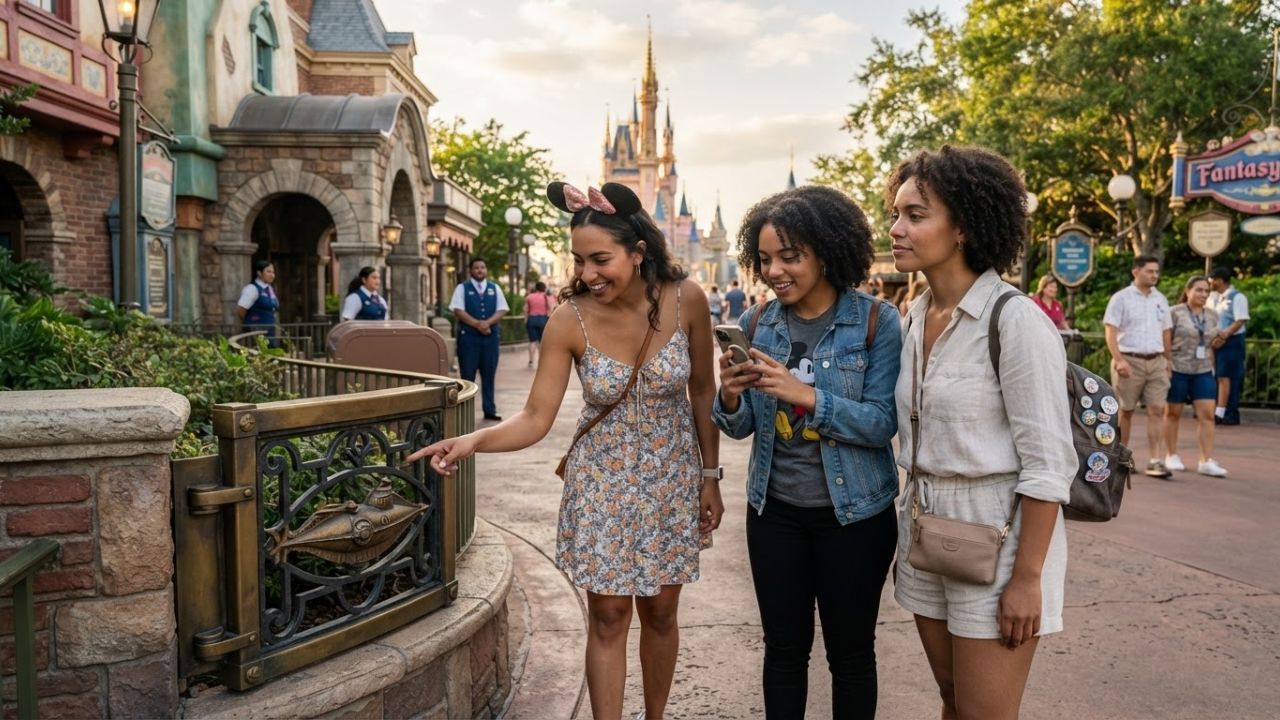
As Walt Disney World undergoes sweeping multi-land construction in 2026 across Animal Kingdom, Magic Kingdom, and Hollywood Studios, a groundbreaking historical investigation by former Imagineers and veteran cast members reveals how half a century of demolished rides, original 1971 ticket booths, and hidden architectural relics remain hiding in plain sight.
Detailed in The Lost History of Walt Disney World by Disney historian Danielle Kelly and researcher Ian Wilson, the project shifts the paradigm of Orlando theme park travel. Rather than racing through Lightning Lane queues between high-speed thrill rides, curious travelers are turning the 25,000-acre Central Florida resort into an open-air living museum, deciphering surviving design Easter eggs that pay homage to vanished classic attractions and the legendary artists who engineered them.
The Local Trend Revealed: Uncovering the Living Archives of Central Florida
Since opening its gates on October 1, 1971, Walt Disney World has continually reinvented its footprint. Yet unlike standard commercial amusement centers that raze earlier structures to clear asphalt, Disney’s Imagineering design ethos frequently repurposes, embeds, or pays subtle architectural tribute to the past.
| Historical Relic | Current Location | Surviving Design Detail | Historical Significance |
|---|---|---|---|
| Original Paper Ticket Booth | Tomorrowland (Magic Kingdom) | Distinctive 1971 hexagonal base and counter architecture | Remnant from the A-through-E paper coupon admission era, now a DVC kiosk |
| Nautilus Submarine Carving | Many Adventures of Winnie the Pooh queue | Submarine outline carved into hollow tree base | Pays homage to the demolished 20,000 Leagues Under the Sea lagoon |
| Imagineer Audio-Animatronic | Spaceship Earth (EPCOT) | Voice and likeness cameo | Voiced by legendary Imagineer and Animal Kingdom creator Joe Rohde |
| Mr. Toad Deed Handover | Many Adventures of Winnie the Pooh ride | Wall painting in Owl's parlor | Depicts J. Thaddeus Toad handing property deed to Owl after ride replacement |
| Liberty Square Infrastructure | Magic Kingdom Liberty Square | Deliberate absence of indoor public restrooms | Historical realism honoring 18th-century colonial plumbing limitations |
Kelly, who spent nearly a decade working as a cast member across the resort, combined archival training manuals with first-hand interviews from retired Imagineers to document surviving artifacts. In Tomorrowland, visitors walking past a seemingly ordinary Disney Vacation Club (DVC) sales kiosk are actually standing before an intact physical ticket booth from the park’s opening decade, when individual paper tickets determined attraction access.
Similarly, when the beloved 20,000 Leagues Under the Sea submarine voyage was drained and demolished in Fantasyland, its footprint was eventually absorbed by the Hundred Acre Wood. Rather than erasing its memory entirely, Imagineers carved a detailed Nautilus submarine Easter egg into the roots of the hollow play tree outside The Many Adventures of Winnie the Pooh, rewarding observant park guests with a direct link to vanished naval fantasy.
Cultural and Architectural Value: The Craft of Built Storytelling
For the traveler, discovering Disney’s architectural history transforms a hectic theme park visit into a thoughtful cultural exploration:
- The Main Street Windows: The second-story parlor windows along Main Street, U.S.A. serve as the park’s literal "opening credits." Faux business signs honor key pioneers—including animator Ub Iwerks, Mary Blair (stylist of It's a Small World), and civil engineers who drained Florida swampland to construct the utilitarian underground utilidor tunnel network beneath Magic Kingdom.
- EPCOT's Evolutionary Mosaics: In EPCOT’s Future World and World Showcase, architectural storytelling preserves early 1980s optimism. The hand-laid tile mosaics designed by Mary and Lee Blair outside The Land pavilion mirror satellite imagery of earth’s soil strata, reflecting sustainable agriculture themes pioneered during EPCOT’s 1982 debut.
- Tributes to Vanished Dark Rides: Inside The Many Adventures of Winnie the Pooh, look back while passing through Owl's house to see framed paintings depicting Mr. Toad handing over the property deed to Owl, and Winnie the Pooh greeting Moley, honoring Mr. Toad’s Wild Ride, which closed in 1998.
Community and Eco-Focus: Sustainable Resort Operations
Beyond historical preservation inside the theme parks, Walt Disney World’s scale requires substantial ecological stewardship across its 40 square miles of Florida wetlands:
- Solar Power and Clean Energy: A 270-acre, 50-megawatt solar facility near Disney’s Animal Kingdom generates enough renewable clean power to operate two of the resort’s four theme parks annually, dramatically lowering regional grid emissions.
- Wildlife Conservation Leadership: The Disney Conservation Fund has directed over $120 million to global conservation non-profits, supporting endangered species recovery programs in Central Florida, including the protection of native gopher tortoises and red-cockaded woodpeckers.
- Eliminating Culinary Waste: The resort partners with Second Harvest Food Bank of Central Florida, donating hundreds of thousands of pounds of fresh, unserved prepared food annually, while sending food scraps to an off-site anaerobic digestion facility to create renewable electricity and organic fertilizer.
Visitor Insider Tips for Exploring Disney's Living History
To experience Walt Disney World through the eyes of an architectural historian, adopt these practical habits:
- Adopt the "Slow Disney" Mindset: Resist the urge to rush between attractions at top speed. Take Wilson's advice: find a quiet park bench in Liberty Square or the quiet courtyard behind the United Kingdom pavilion in EPCOT. Slowing down allows you to observe decorative weather vanes, brick patterns, and period lighting designed with extraordinary precision.
- Optimal Low-Crowd Windows:
- Mid-January to Early February: The sweet spot following the Walt Disney World Marathon weekend. Crowds thin significantly, daytime temperatures are mild, and queue lines drop to seasonal lows.
- Late August to Mid-September: When Florida and Southern public schools resume classes, daytime ride queues drop noticeably, giving historical explorers plenty of room to inspect queue art and architecture.
- Park Etiquette & Exploration Courtesy: When searching for hidden Easter eggs or photographing architectural markers inside queues, never block passenger walkways or hold up boarding lines. Always respect cast member safety directions, especially around active ride mechanisms.
- Iconic Refreshments with Historic Roots:
- DOLE Whip at Aloha Isle: Savor the legendary pineapple soft-serve float in Adventureland, an iconic tropical refreshment served in the park since 1984.
- Warm Hand-Dipped Corn Dogs: Head to Sleepy Hollow Refreshments in Liberty Square for made-to-order golden corn dogs, enjoyed on a wooden terrace overlooking Cinderella Castle moat.
- School Bread in Norway: Sample skolebrød at Kringla Bakeri Og Kafe in EPCOT, a traditional Norwegian sweet cardamom bun filled with vanilla custard and rolled in toasted coconut.
- Secret Spaces of Respite:
- Tom Sawyer Island: Board the wooden raft across the Rivers of America to explore dusty cavern paths, barrel bridges, and quiet rocking chairs on the porch of Fort Langhorn, surrounded by native Florida cypress trees.
- Maharajah Jungle Trek: Wander past crumbling Southeast Asian palace ruins inside Disney’s Animal Kingdom, where brass artifacts, faded murals, and viewing pavilions frame majestic Malayan tigers.
Tourism Outlook
As Walt Disney World charges forward with major multi-year expansions—including new attractions and thematic zones across Animal Kingdom and Magic Kingdom—the preservation of its built heritage becomes increasingly vital.
The work of historians Danielle Kelly and Ian Wilson demonstrates that the magic of the Florida resort is not merely measured by its newest roller coasters, but by the layers of creative heritage embedded in its walls. For the mindful traveler in 2026 and beyond, discovering these quiet physical echoes of the past offers the richest, most rewarding adventure of all.
Related Travel Guides
Disclaimer
This article is for informational and educational purposes only. It does not constitute legal, financial, or professional advice. While we strive to provide accurate and up-to-date information, travel policies, regulations, and conditions change rapidly. Always verify information with official sources before making travel decisions. Nomad Lawyer makes no representations about the accuracy, reliability, completeness, or suitability of the information provided. Readers should consult qualified professionals for advice specific to their circumstances. The views expressed in this article are those of the author and do not necessarily reflect the views of Nomad Lawyer.
Raushan Kumar
Founder & Lead Developer
Full-stack developer with 11+ years of experience and a passionate traveller. Raushan built Nomad Lawyer from the ground up with a vision to create the best travel and law experience on the web.
Learn more about our team →