
Africa Conservation and Safari Renaissance 2026: 13 MegaFam Routes Spotlight Multi-Country Wilderness Travel

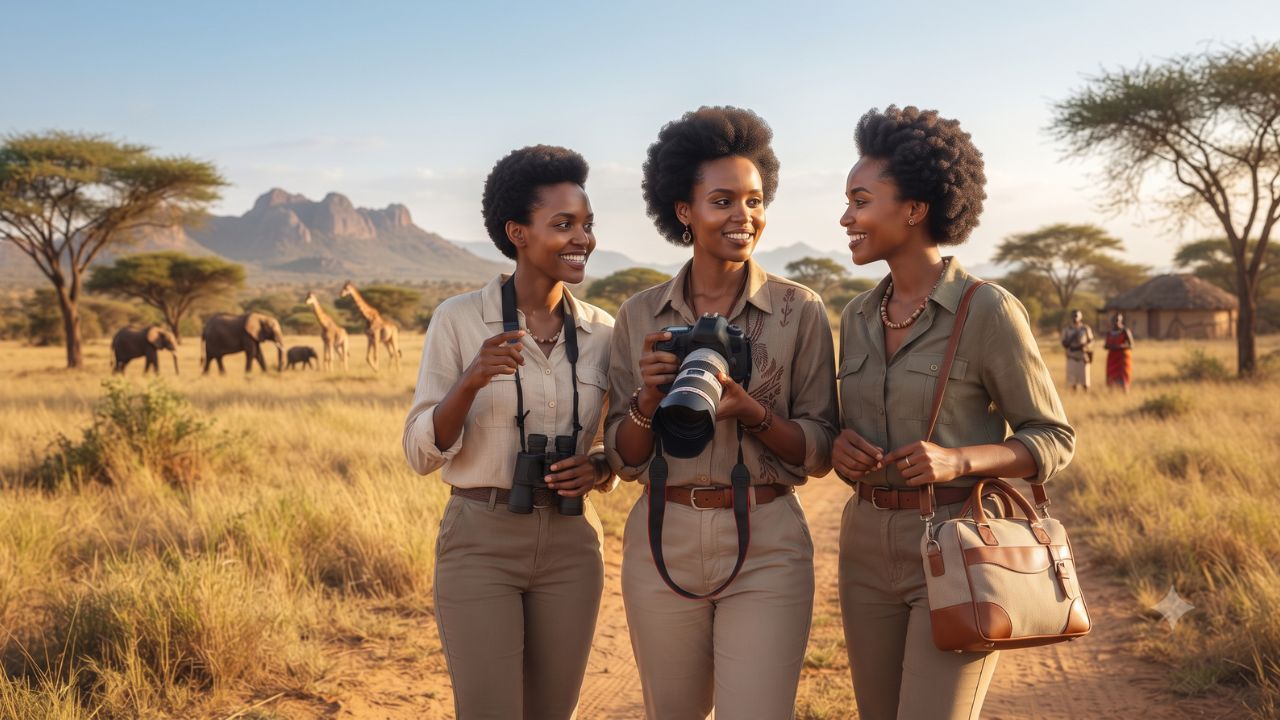
Rather than packaging Africa as a uniform savannah safari, 62 global travel leaders have embarked across 13 distinct wilderness journeys in ten nations, demonstrating how community-owned conservancies, desert reserves, and marine restoration are redefining continental travel. Spanning the Okavango Delta, northern Kenya's Samburu lands, Tanzania’s remote Ruaha and Nyerere parks, Mozambique's Gorongosa, and Ethiopia's Omo Valley, the October 4 to 13, 2026 IMPACT MegaFam culminates at Boschendal in South Africa's Cape Winelands from October 13 to 16. This collaborative initiative bridges commercial travel design with grassroots ecological stewardship, reflecting an era where travelers actively seek multi-layered journeys beyond standard game drives.
With Tanzania reporting international arrivals rising 7.1% to 2,294,495 visitors and tourism earnings jumping 13% to US$4.411 billion in 2025, East and Southern Africa are experiencing sustained growth. Supported by official destination insights from the Kenya Tourism Board (Magical Kenya) and the Tanzania Tourist Board, international visitors can discover conservation models that channel tourist revenue directly into wildlife corridors and indigenous community empowerment.
Beyond the Big Five: Multi-Country Conservation Routes
The 2026 MegaFam program—the fourth edition following successful runs in 2016, 2018, and 2023—proves that modern African tourism thrives on ecological diversity. By dividing 62 travel designers across 13 specialized itineraries before convening in South Africa, the initiative highlights how distinct biomes provide complementary travel experiences:
- Kenya (Community Conservancies): In northern Kenya, private and community conservancies managed by indigenous Samburu pastoralists demonstrate how wildlife migration routes coexist with traditional cattle grazing. Official metrics from Kenya's Ministry of Tourism and Wildlife show structured sector monitoring released in July and August 2026.
- Botswana (Okavango Delta): Operating under a high-value, low-density model, Botswana's wetland wilderness logged 407,651 fourth-quarter arrivals according to Statistics Botswana's August 2026 reporting, protecting delicate floodplains through strictly regulated concession leases.
- Tanzania (Southern Wilderness): Venturing beyond the crowded northern circuit of Serengeti and Ngorongoro, Tanzania is actively promoting Ruaha National Park and Nyerere National Park, where remote walking safaris and boat expeditions spread economic impact into southern conservation zones.
- Mozambique & Zambia (Restoration and River Safaris): Gorongosa National Park showcases one of the world's most successful large-scale ecological restorations, paired with the marine biodiversity of the Bazaruto Archipelago and low-impact canoeing down Zambia's Lower Zambezi.
- Madagascar & Ethiopia (Biodiversity and Living Heritage): Madagascar's rainforests protect unique lemur species and endemic flora, while Ethiopia’s Omo Valley preserves ancient cultural practices, contributing to over 1.6 million foreign visitors and US$5 billion in national tourism earnings.
| Country / Region | Key Destination Highlight | Primary Tourism Classification | Strategic Economic / Conservation Metric |
|---|---|---|---|
| Kenya | Northern Kenya & Samburu Conservancies | Wildlife & Indigenous Community Culture | Ministry Annual Report tracking sector growth |
| Botswana | Okavango Delta Wetland Concessions | High-Value, Low-Density Eco-Safari | 407,651 Q4 tourist arrivals (Statistics Botswana) |
| Tanzania | Ruaha & Nyerere National Parks | Remote Walking & River Safaris | 2.294M arrivals (+7.1%), $4.411B earnings (+13%) |
| Mozambique | Gorongosa & Bazaruto Archipelago | Ecological Restoration & Marine Islands | Integration of rewilding with coastal tourism |
| Zambia | Lower Zambezi National Park | Riverine Bush Expeditions & Canoeing | Low-impact water-based wilderness travel |
| Madagascar | Endemic Forest Regions | Biodiversity & Specialist Ecotourism | National Economic Dashboard tracking arrivals |
| Ethiopia | Omo Valley Cultural Corridor | Living Heritage & Cultural Tourism | >1.6M visitors; >US$5B in national receipts |
| Namibia | NamibRand Nature Reserve | Dark-Sky Desert Wilderness | Ultra-low impact arid land conservation |
| South Africa | Boschendal, Cape Winelands | Culinary Heritage & Trade Hub | Host of the 2026 IMPACT Workshop (Oct 13–16) |
What Makes Regional African Ecosystems Unique
Africa's geographic diversity offers extraordinary contrast within short regional flight connections, with many protected biomes recognized by the UNESCO World Heritage Centre.
Key experiential dimensions include:
- Walking Safaris in Unfenced Wilderness: In Tanzania’s Ruaha and Zambia’s Lower Zambezi, exploring on foot with armed wildlife scouts and expert naturalists allows travelers to track animal footprints, study medicinal plants, and experience the bush at eye level.
- Community-Led Conservancies: Northern Kenya’s Samburu conservancies give travelers direct insight into how pastoralist elders manage community rangelands, protect endangered Grevy’s zebras, and fund local schools through guest conservation levies.
- Rewilding in Action: Mozambique’s Gorongosa National Park demonstrates how scientific wildlife reintroduction, community healthcare clinics, and sustainable shade-grown coffee farming create a resilient conservation economy.
- Dark-Sky Desert Immersion: Namibia’s NamibRand Nature Reserve—an official International Dark Sky Reserve—offers unpolluted celestial viewing over ancient red sand dunes.
Visitor Insider Tips
To plan an exceptional and responsible journey across East and Southern Africa, consider these practical insider recommendations:
- Strict Luggage Rules for Bush Flights: Inter-camp flights on light aircraft (such as Cessna Caravans) enforce strict luggage restrictions. Pack soft-sided duffel bags without hard wheels, keeping total weight under 15 kg (33 lbs) per person, including camera gear.
- Combining Savannah Safaris with Coastal Marine Reserves: Instead of consecutive savannah game drives, create a varied itinerary by pairing four days of walking safari in Tanzania’s Ruaha or Nyerere with marine conservation and dhow sailing in Mozambique’s Bazaruto Archipelago.
- Cultural Etiquette in Samburu Communities: When visiting indigenous villages in northern Kenya, always ask permission through your local guide before taking individual portraits. Buy beadwork directly from the women’s handicraft collectives to ensure funds go directly to local families.
- Health and Safari Wardrobe Protocols: Pack neutral safari clothing (khaki, olive, brown, and tan). Avoid dark blue and black garments in riverine areas, as they attract tsetse flies. Consult a travel medicine physician 4 to 6 weeks before travel to arrange malaria prophylaxis and required yellow fever certificates.
- Tipping Etiquette in Wilderness Camps: Safari camp gratuities are traditionally paid in cash (USD or local currency) at checkout. A general standard is $15 to $20 per guest per day for your primary safari guide, and $15 to $20 per guest per day placed in the general staff tip box to support back-of-house kitchen, maintenance, and housekeeping teams.
Cultural and Environmental Context
The transition from purely commercial safari tourism to community-centered conservation directly empowers local populations. When local pastoralists and indigenous communities retain ownership of conservancy lands, poaching drops dramatically, human-wildlife conflict is mitigated through solar predator deterrents, and tourist revenue funds secondary education scholarships.
At the same time, environmental sustainability requires careful resource management in sensitive habitats. Lodges across the Okavango, NamibRand, and Samburu operate on 100% off-grid solar energy grids, utilize advanced greywater filtration systems, and eliminate single-use plastics through on-site reverse-osmosis bottling plants. Mindful travelers support these efforts by selecting properties certified by national eco-tourism boards and contributing directly to local community conservation funds.
FAQ: Planning an African Wilderness Journey in 2026
What is the advantage of visiting southern Tanzania over the northern circuit?
Parks like Ruaha and Nyerere offer vast, uncrowded wilderness areas where visitors can experience authentic walking safaris, river boat cruises, and high predator densities with very few tourist vehicles.
How do tourist fees support African wildlife conservation?
Park entry fees and conservancy levies fund ranger patrols, anti-poaching units, wildlife veterinary care, and direct revenue-sharing programs for local communities.
What is the best season for multi-country African travel?
The dry season from June to October offers optimal wildlife viewing around receding waterholes, comfortable weather, and clear skies across Kenya, Tanzania, Botswana, Zambia, and Namibia.
Are light aircraft transfers safe for inter-park travel?
Yes. Professional regional bush charter airlines operate modern, well-maintained turboprop aircraft piloted by experienced bush pilots adhering to strict civil aviation standards.
From the star-lit dunes of the NamibRand to the rushing channels of the Okavango and the wild paths of Ruaha, Africa continues to prove that conservation and authentic community hospitality are the true luxuries of travel.
Related Travel Guides
- Canada and Europe Digital Payment Revolution 2026: Real-Time Rail, TIPS, and Transatlantic Travel Guide
- Canada Tourism Economy 2026: Nova Scotia, Ontario, and BC Drive C$140.9 Billion Visitor Revenue Surge
- Nepal Himalayan Tourism Strategy 2026: Conservation, AI Trekking Alerts, and Rural Village Travel Guide
- Rwanda Smartraveller Advisory 2026: Gisenyi Rubavu Border Restrictions and Cash Travel Realities
Disclaimer
This article is for informational and educational purposes only. It does not constitute legal, financial, or professional advice. While we strive to provide accurate and up-to-date information, travel policies, regulations, and conditions change rapidly. Always verify information with official sources before making travel decisions. Nomad Lawyer makes no representations about the accuracy, reliability, completeness, or suitability of the information provided. Readers should consult qualified professionals for advice specific to their circumstances. The views expressed in this article are those of the author and do not necessarily reflect the views of Nomad Lawyer.
Raushan Kumar
Founder & Lead Developer
Full-stack developer with 11+ years of experience and a passionate traveller. Raushan built Nomad Lawyer from the ground up with a vision to create the best travel and law experience on the web.
Learn more about our team →