
Nepal Himalayan Tourism Strategy 2026: Conservation, AI Trekking Alerts, and Rural Village Travel Guide

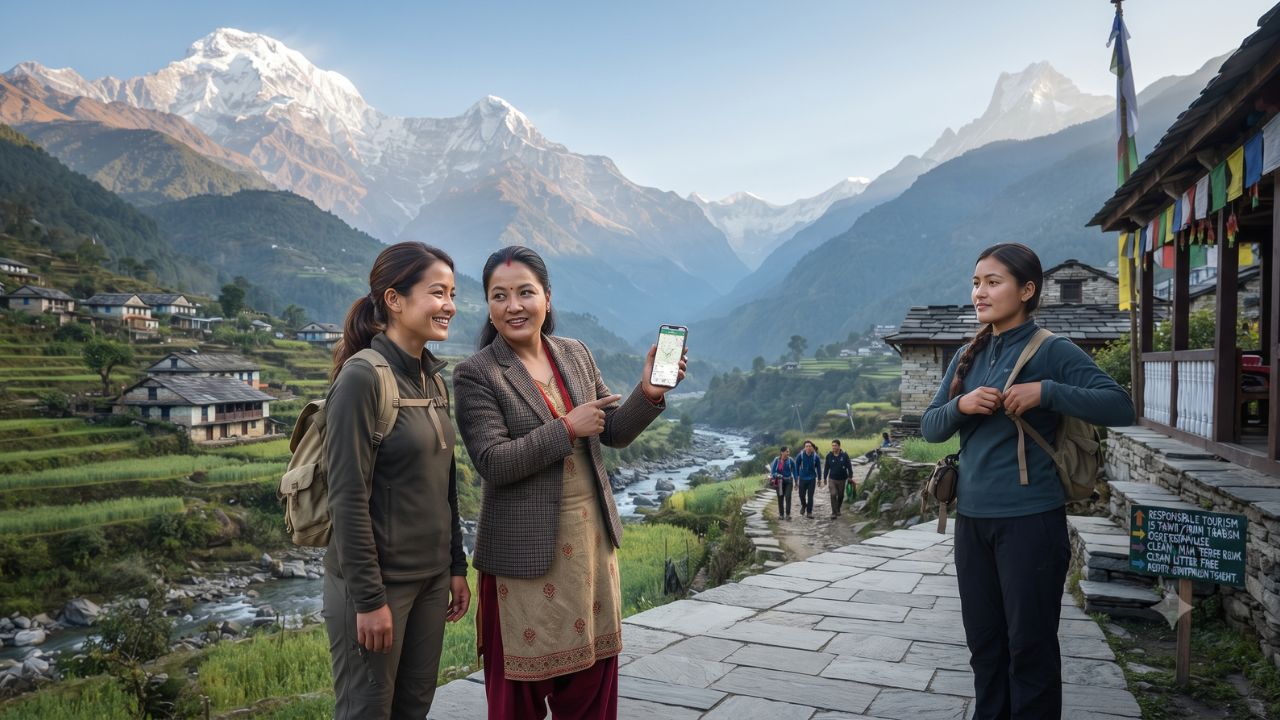
While localized monsoon flash floods impacted the Rasuwa–Bhote Koshi and Trishuli river corridors on August 26, 2026, Nepal’s premier adventure hubs—including the Everest region, the Annapurna Circuit, Pokhara, Chitwan, Lumbini, and Kathmandu—remained fully operational, open, and unaffected. Marking the 47th World Tourism Day under the banner of digital transformation and AI integration, the Government of Nepal and the Nepal Tourism Board launched a comprehensive resilience framework. By uniting real-time mountain emergency desks at Tribhuvan International Airport (KTM) with alpine river basin conservation and community-run homestays across three newly designated "Destination Villages of the Year," Nepal is actively modernizing Himalayan adventure travel.
For trekkers, mountaineers, and cultural explorers preparing for the autumn peak season, this strategy delivers reliable real-time trail updates, improved emergency communication, and direct access to authentic indigenous communities, backed by environmental conservation protocols from the Department of National Parks and Wildlife Conservation.
Modernizing Himalayan Adventure: AI Integration and River Resilience
Nepal’s updated tourism model shifts away from fragmented regional responses toward unified inter-ministerial coordination. Following the localized August 26 flood event along the northern Trishuli and Bhote Koshi river basins, authorities established permanent tourist response desks within both domestic and international terminals at Tribhuvan International Airport (KTM) and across central Kathmandu. These hubs provide verified trail assessments, weather radar feeds, and certified alternative routing directly to international travelers.
Simultaneously, the National Digital Agenda integrates artificial intelligence into mountain safety. Rather than relying on outdated paper noticeboards, modern trekking management links GPS-enabled Trekker Information Management System (TIMS) registration with automated weather alerts, alerting guides and solo trekkers to localized landslide risks or heavy snowfall along high mountain passes like Thorong La and Cho La.
In sensitive alpine watersheds such as the Langtang Valley, conservation programs are prioritizing glacial river management. Protecting mountain river ecosystems is recognized not only as an ecological necessity but also as an economic safeguard for downstream agricultural communities and hydroelectric power grids.
| Destination / Corridor | 2026 Operational Status | Primary Adventure Profile | Key Traveler Safety Mechanism |
|---|---|---|---|
| Kathmandu Valley | Fully operational & accessible | Historic durbar squares & air transit hub | Tribhuvan Airport (KTM) dedicated tourist help desks |
| Everest Region (Khumbu) | Fully open for autumn trekking | High-altitude mountaineering & Sherpa culture | Regular Lukla flights & mandatory certified local guides |
| Annapurna Sanctuary | Fully accessible via Pokhara | Multi-day trekking, teahouses, alpine lakes | TIMS digital registration with real-time weather tracking |
| Langtang & Rasuwa | Managed trail access | Glacial river valleys & Tamang heritage | Active trail rebuilding along the Bhote Koshi corridor |
| Pokhara & Chitwan | Normal flight and road access | Lakeside leisure & Terai jungle safaris | Prithvi Highway alternative transit routes |
| Lumbini Heritage Zone | Fully operational | Birthplace of Lord Buddha & monastic zones | UNESCO World Heritage cultural walking circuits |
| Destination Villages | 3 designated model communities | Traditional homestays & craft workshops | Direct local community economic benefit |
What Makes Nepal's Mountain Culture Unique
Nepal’s enduring fascination lies in the intimate bond between its soaring geographical elevation and its living spiritual traditions recognized by the UNESCO World Heritage Centre. From the terracotta temples of Bhaktapur to the prayer flag-draped ridges of the high Himalaya, traveling in Nepal offers an immersive cultural experience:
- Sacred Alpine River Corridors: Rivers like the Trishuli, Bhote Koshi, and Kali Gandaki originate in high Himalayan glaciers, carving the deepest gorges on Earth while serving as sacred pilgrimage routes for Hindu and Buddhist devotees.
- Indigenous Mountain Communities: The Langtang Valley and Helambu regions preserve authentic Tamang and Tibetan-Buddhist pastoral traditions, where stone houses, mani walls, and yak pastures define daily mountain life.
- Living Heritage of the Kathmandu Valley: Seven distinct monument zones within the Kathmandu Valley—including Swayambhunath, Boudhanath, and the royal Durbar Squares of Patan, Kathmandu, and Bhaktapur—continue as active centers of daily worship, Newar woodcarving, and bronze metal casting.
- Terai Biodiversity and Wildlife Sanctuaries: South of the mountain ranges, the subtropical floodplains of Chitwan National Park and Bardia National Park provide vital refuges for the greater one-horned rhinoceros, Royal Bengal tigers, and Asian elephants.
Visitor Insider Tips
To plan an enriching and safe journey through the Himalayas, consider these practical insider recommendations:
- Verifying Trail Conditions at KTM Airport: Upon landing at Tribhuvan International Airport in Kathmandu, stop by the official Tourist Information Desk located in the arrival hall. Officers provide real-time status reports on mountain highway conditions, domestic flight reliability to Lukla and Pokhara, and active trekking permits.
- Timing the Peak Autumn Trekking Window: October and November offer the clearest mountain views, dry trail conditions, and daytime temperatures ranging from 55°F to 68°F (13°C to 20°C) at mid-elevations. For high passes above 4,500 metres, prepare for sub-freezing night temperatures dropping to 14°F (-10°C).
- Mandatory Guide Regulations: Independent solo trekking without a licensed Nepali guide is restricted across national parks and conservation areas. Hire government-certified guides through registered trekking agencies in Thamel or Pokhara to ensure safety, local cultural interpretation, and fair porter wages.
- Teahouse Etiquette in Mountain Villages: In alpine teahouses, always remove trekking boots before entering living quarters or dining rooms if requested. Eat your evening meal at the same teahouse where you sleep, as lodge operators rely on food sales to offset modest room rates.
- Managing High-Altitude Acclimatization: When trekking above 3,000 metres (9,800 feet), never gain more than 400 to 500 metres of sleeping altitude per day. Schedule mandatory acclimatization rest days in Namche Bazaar (Everest) or Manang (Annapurna), and drink at least four litres of purified water daily.
Cultural and Environmental Context
Nepal’s emphasis on community-based tourism directly empowers rural households. Recognizing three "Destination Villages of the Year" during World Tourism Day reflects a nationwide push to spread visitor spending beyond commercial trekking highways into remote farming settlements. Community homestays enable farming families to generate supplemental income through organic meal preparation, cultural guiding, and artisanal textile weaving.
Simultaneously, environmental conservation remains essential to protecting mountain livelihoods. Rapid glacial melting and unpredictable monsoon cycles demand proactive alpine watershed stewardship. By adhering to Leave No Trace principles, carrying reusable water filtration bottles to eliminate single-use plastic mineral water bottles, and staying on marked stone trails to prevent soil erosion, international visitors play an active role in preserving the majestic Himalayas for future generations.
FAQ: Traveling in Nepal in 2026
Are major trekking routes like Everest and Annapurna open?
Yes. Both the Everest (Khumbu) and Annapurna regions are fully operational with normal flight access, open lodges, and clear trail networks.
Do I need a guide for trekking in Nepal?
Yes. Government regulations require international trekkers to be accompanied by a licensed Nepali guide or porter-guide when trekking in national parks and restricted mountain conservation areas.
How do I check real-time mountain road and weather conditions?
Consult the official Nepal Tourism Board help desks at Tribhuvan International Airport or in central Kathmandu (Pradarshani Marg) for real-time digital road and trail updates.
What is the best season for clear Himalayan mountain views?
Autumn (October to November) and spring (March to May) provide dry weather, stable skies, and exceptional visibility across high Himalayan peaks.
From the ancient carved courtyards of Patan to the snow-swept ridgelines of the Annapurnas, Nepal demonstrates how digital safety and deep cultural reverence can elevate mountain travel into a transformative life journey.
Related Travel Guides
- Schengen Travel Guide 2026: Navigating EES Biometric Border Checks and European Internal Controls
- China Heritage Travel 2026: Boyan Ancient Town Draws 10,000 Daily Visitors During National Day Holiday
- Vietnam and Malaysia Forge Halal Tourism and Aviation Corridor: Phu Quoc Flights and Muslim-Friendly Travel Guide
- Nepal Jomsom Flights and Mustang Muktinath Travel Guide: Air Safety and Himalayan Road Alternatives
Disclaimer
This article is for informational and educational purposes only. It does not constitute legal, financial, or professional advice. While we strive to provide accurate and up-to-date information, travel policies, regulations, and conditions change rapidly. Always verify information with official sources before making travel decisions. Nomad Lawyer makes no representations about the accuracy, reliability, completeness, or suitability of the information provided. Readers should consult qualified professionals for advice specific to their circumstances. The views expressed in this article are those of the author and do not necessarily reflect the views of Nomad Lawyer.
Raushan Kumar
Founder & Lead Developer
Full-stack developer with 11+ years of experience and a passionate traveller. Raushan built Nomad Lawyer from the ground up with a vision to create the best travel and law experience on the web.
Learn more about our team →