
Vietnam’s Phu Quoc Builds A New Tourism Future As Massive Projects Prepare For APEC 2027
Vietnam’s Phu Quoc Builds A New Tourism Future As Massive Projects Prepare For APEC 2027

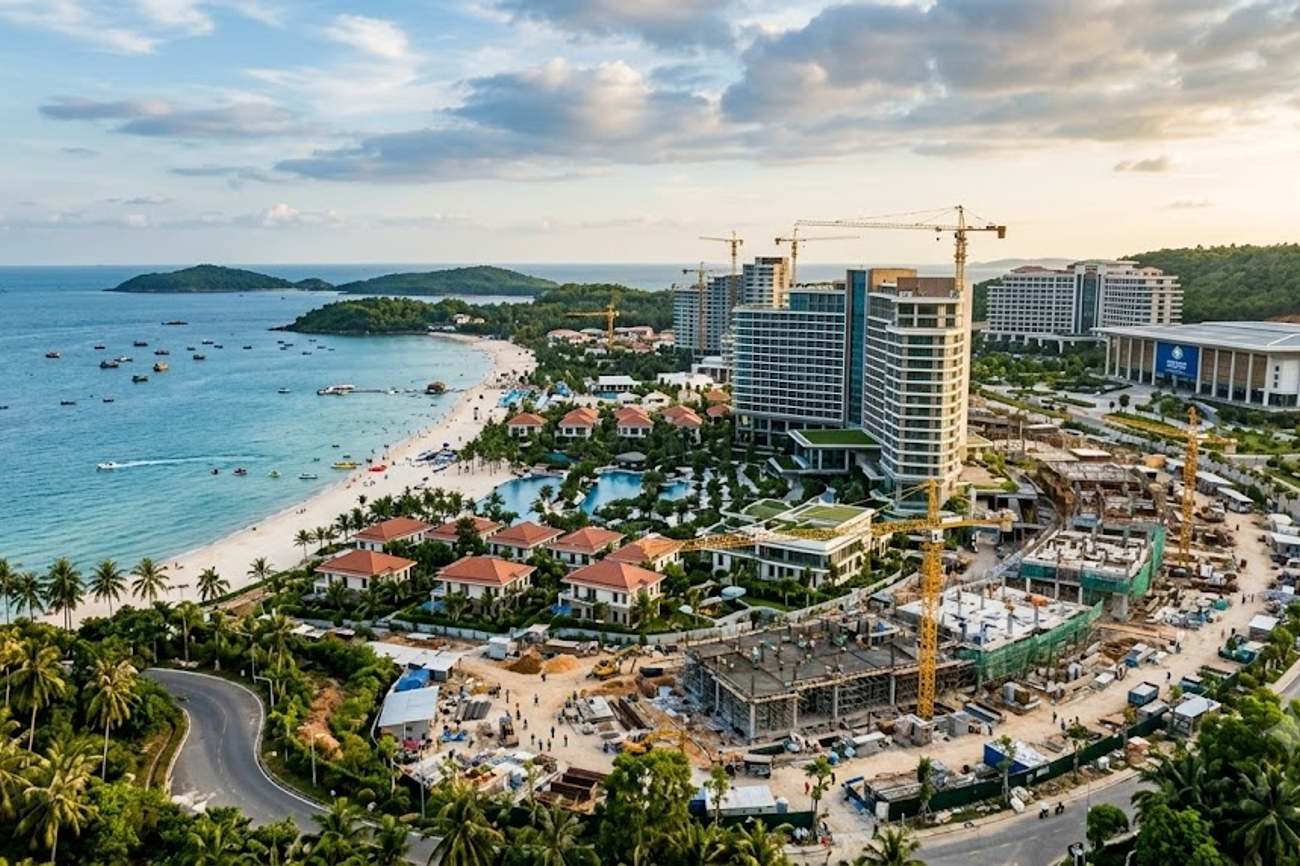
Image generated by AI
[Phu Quoc, October 2023] — Vietnam is executing a massive infrastructure overhaul of the Phu Quoc archipelago, launching 21 large-scale development projects to prepare the island for the 2027 APEC Economic Leaders’ Week.
The aggressive expansion aims to transform the island into a top-tier global destination by upgrading air and sea connectivity, expanding the international airport, and stabilizing essential utilities. These initiatives are designed to meet the immediate requirements of the APEC summit while establishing a permanent foundation for long-term economic growth in the tourism, investment, and urban service sectors.
The APEC 2027 Catalyst
The immediate driver for this construction surge is the upcoming APEC 2027 summit, which will bring world leaders and thousands of international delegates to the island. To avoid the logistical bottlenecks common in rapid-growth destinations, the Vietnamese government is prioritizing a holistic upgrade of the island's physical and digital skeleton.
Construction is currently operating on a 24-hour cycle in several zones, with engineers and thousands of laborers working multiple shifts. The scope of work extends beyond simple aesthetics; it involves the deployment of smart technology systems and the total redesign of public facilities to handle a massive influx of high-profile international visitors. Central to this effort is the coordination between local authorities and the Civil Aviation Authority of Vietnam (CAAV), ensuring that the surge in air traffic is matched by ground-side capacity.
Infrastructure and Logistics Impact
The transformation is concentrated across four primary sectors: aviation, transport, energy, and water. The goal is to eliminate the systemic instabilities that have previously hindered the island's ability to scale its tourism offerings.
Key Development Areas:
- Aviation: Major expansion of the Phu Quoc International Airport. This includes the construction of larger facilities and the integration of advanced digital infrastructure to streamline passenger processing.
- Transport: A comprehensive network of new roads and urban connectivity projects to reduce transit times between the airport, hotels, and conference centers.
- Energy: The activation of the Phu Quoc 220kV transformer station and the 110kV Phu Quoc–South Phu Quoc transmission line to prevent power outages during peak loads.
- Water: The development of the Cua Can Reservoir water plant to ensure a reliable supply for a growing permanent population and seasonal tourist spikes.
The aviation upgrades are specifically tailored to support the MICE (Meetings, Incentives, Conferences, and Exhibitions) market. By increasing the capacity of the airport, the island intends to attract larger corporate delegations and high-net-worth travelers who require seamless connectivity.
Practical Traveler Advisory and Strategic Insights
For the average traveler or business nomad, these developments translate to a significant shift in the island's utility and accessibility.
Immediate Impacts:
- Construction Disruptions: Travelers visiting in the short term should expect active construction zones near the airport and major road arteries. Expect temporary traffic diversions and noise pollution in developing urban hubs.
- Improved Reliability: The new 220kV transformer station means a drastic reduction in the brownouts and power instabilities that have historically plagued luxury resorts and boutique hotels on the island.
- Easier Transit: The shift toward "smart infrastructure" suggests that future visitors will have access to better digital navigation and more efficient transport links between the airport and the island's interior.
Long-Term Impacts:
- Increased Flight Options: With the expanded airport capacity, travelers can expect a wider variety of direct international routes, reducing the reliance on connecting flights through Ho Chi Minh City or Hanoi.
- Higher Service Standards: The government's plan to train 20,000 workers by 2030—including 5,000 specialists in "green skills"—will likely result in a more professionalized hospitality workforce and better English-language proficiency across the service sector.
The Sustainable Pivot
Despite the rapid pace of concrete and steel development, the administration is integrating a "Green Tourism" framework to prevent the environmental degradation often seen in fast-growing tropical hubs. This strategy is designed to align with the standards of the World Tourism Organization (UNWTO), focusing on the preservation of the island's coral reefs, marine ecosystems, and primary forests.
The strategy focuses on four pillars:
- Green Infrastructure: Utilizing sustainable materials and energy-efficient building designs for new hotels and conference centers.
- Green Transport: Moving toward low-emission transit options to connect the island's various tourist zones.
- Environmental Management: Implementing stricter controls on waste and water usage to protect the biodiversity of the archipelago.
- Ecotourism Integration: Creating a balance where modern luxury facilities exist alongside protected natural landscapes, allowing visitors to experience the island's heritage without destroying it.
The Road to 2030
The APEC 2027 summit is the immediate deadline, but the broader vision extends to 2030. The island is positioning itself not just as a holiday spot, but as a competitive Asian hub for international diplomacy and business.
The human capital element is a critical part of this timeline. The goal of training 20,000 workers by 2030 indicates that Vietnam is preparing for a permanent shift in the island's economy. By focusing on "green skills," the island aims to attract the growing demographic of environmentally conscious global travelers.
As the 21 projects reach completion, the synergy between the upgraded Phu Quoc International Airport and the new energy grids will determine if the island can successfully transition from a regional getaway to a world-class destination. The success of APEC 2027 will serve as the global "proof of concept" for this transformation.
FAQ: Phu Quoc Infrastructure 2027
Will airport construction cause delays for current travelers? Yes, construction is ongoing with multiple shifts. While the airport remains operational, travelers should allow extra time for navigation and expect potential changes to terminal layouts as digital and physical upgrades are implemented.
How will the new power grid affect hotel stays? The new 220kV transformer station and transmission lines are designed to stabilize the electricity network. This should significantly reduce the frequency of power outages in hotels and commercial areas.
Is Phu Quoc becoming too commercialized for nature lovers? The government is implementing a "Green Tourism" strategy to protect coral reefs and forests. The goal is to blend modern conference facilities with ecotourism, ensuring natural landscapes are preserved alongside urban growth.
What is MICE tourism and why does it matter for Phu Quoc? MICE stands for Meetings, Incentives, Conferences, and Exhibitions. By building larger facilities and expanding the airport, Phu Quoc is targeting high-spending business travelers and global delegations rather than just leisure tourists.
Phu Quoc is betting big on a 2027 deadline to rewrite its identity from a quiet island to a global powerhouse.
#PQC-Airport-Expansion #APEC2027 #VietnamTourismInfrastructure #PhuQuocGreenGrowth #MICE-Tourism-Vietnam
Related Travel Guides
Disclaimer
This article is for informational and educational purposes only. It does not constitute legal, financial, or professional advice. While we strive to provide accurate and up-to-date information, travel policies, regulations, and conditions change rapidly. Always verify information with official sources before making travel decisions. Nomad Lawyer makes no representations about the accuracy, reliability, completeness, or suitability of the information provided. Readers should consult qualified professionals for advice specific to their circumstances. The views expressed in this article are those of the author and do not necessarily reflect the views of Nomad Lawyer.
Preeti Gunjan
Contributor & Community Manager
A passionate traveller and community builder. Preeti helps grow the Nomad Lawyer community, fostering engagement and bringing the reader experience to life.
Learn more about our team →