
Saudi Arabia Sees National Day Travel Boom as Jeddah Flights and Makkah Hotel Searches Surge
Saudi Arabia Sees National Day Travel Boom as Jeddah Flights and Makkah Hotel Searches Surge

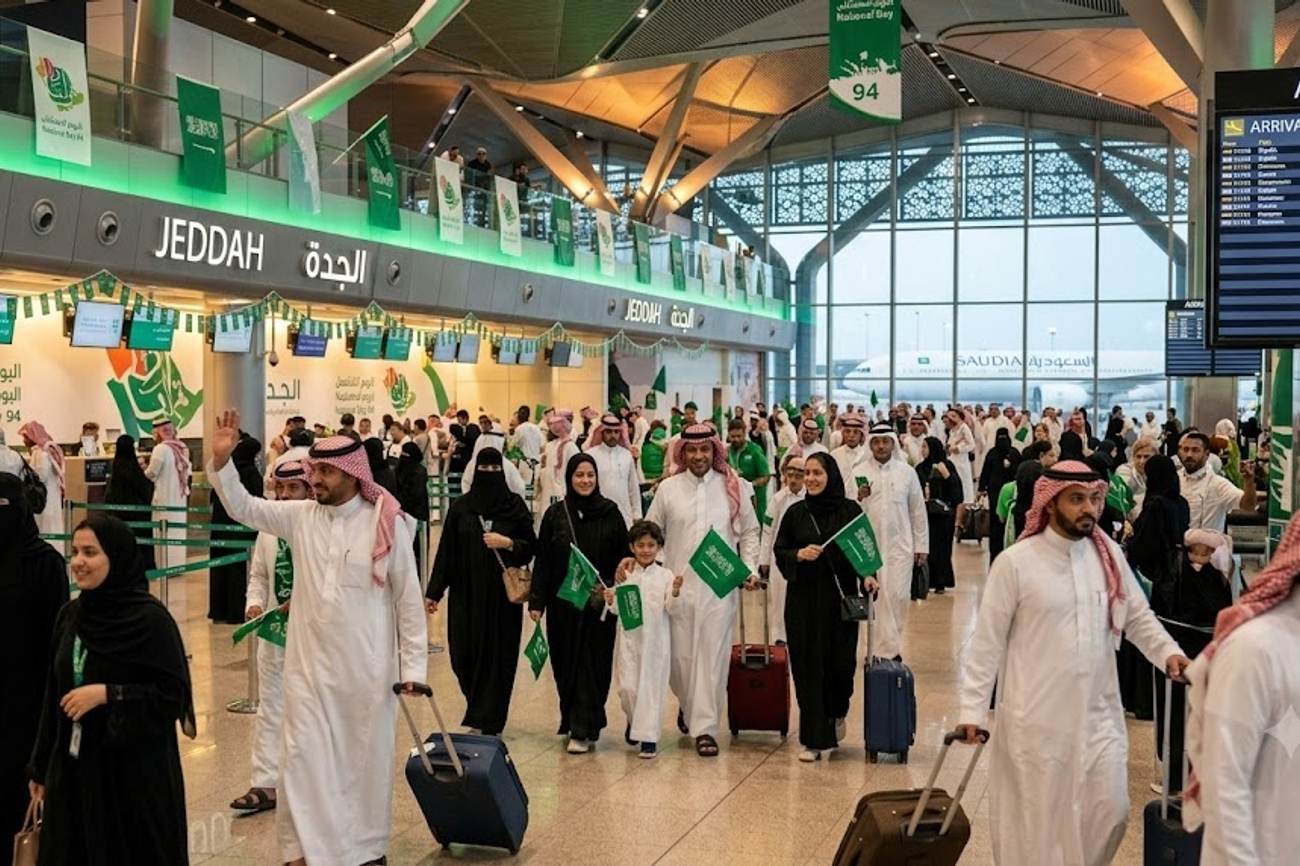
Image generated by AI
A 62% surge in hotel search volume across Saudi Arabia signals a fundamental shift in how residents utilize public holidays, transforming the September 23 National Day celebrations from local festivities into a high-velocity domestic tourism engine. This spike in accommodation demand, coupled with a 42% year-on-year increase in domestic flight searches, suggests that Saudi citizens are increasingly opting for "micro-cations" to explore the Kingdom's diverse geography rather than remaining in their home cities.
The Mechanics of the National Day Travel Surge
The unification of Saudi Arabia in 1932 is commemorated annually on September 23, an event that has evolved from a day of civic pride into a primary driver of internal migration. For the 2026 cycle, the data indicates a decoupling of travel patterns from traditional hubs. While the celebrations include nationwide fireworks, sea and land displays, and cultural performances, the logistical data reveals a sophisticated movement of people toward both established religious centers and emerging leisure destinations.
The shift is characterized by a preference for brevity; two nights has emerged as the most frequent trip duration. This trend highlights the efficiency of the Kingdom's aviation network and the growing appetite for short-burst tourism. By leveraging a short public holiday, travelers are distributing their spending across a wider array of service providers, including car-rental agencies, local tour operators, and the hospitality sector, effectively decentralizing the economic benefits of the holiday.
Regional Demand Distribution and Growth Metrics
The data reveals a dichotomy between flight demand and accommodation demand, suggesting that different modes of transport are utilized depending on the destination's profile. While Jeddah dominates the skies, Makkah dominates the hotel registries.
| Performance Indicator | Data Metric | Primary Destination/Trend |
|---|---|---|
| Domestic Flight Search Growth | +42% YoY | Jeddah (Ranked 1st) |
| Saudi Hotel Search Growth | +62% YoY | Makkah (Highest Volume) |
| Taif Flight Search Growth | +91% YoY | Mountain/Cultural Tourism |
| Tabuk Flight Search Growth | +56% YoY | Northwest Heritage/Desert |
| Al Khobar Hotel Search Growth | >300% (3x) | Eastern Province Waterfront |
| Primary Trip Duration | 2 Nights | Short-break market |
Jeddah's position as the most-searched flight destination is driven by its dual appeal as a gateway to the Red Sea and a cultural hub via the historic Al-Balad district. Conversely, the massive volume of hotel searches in Makkah reflects the city's specialized hospitality infrastructure. The discrepancy between flight and hotel leads suggests that Makkah attracts a significant volume of road travelers, whereas Jeddah is the primary target for those utilizing the Saudi Arabian General Authority of Civil Aviation (GACA) regulated flight paths.
Expert Analysis: The Rise of Secondary City Tourism
The most significant insight from this data is not the growth in Jeddah or Riyadh, but the explosive interest in "Tier 2" destinations. The 91% jump in flight searches for Taif and the 56% increase for Tabuk indicate a maturing domestic traveler who is no longer satisfied with the primary urban centers.
For travelers booking these routes, the direct consequence is a tightening of inventory and potential price volatility in secondary markets that lack the massive hotel capacity of Makkah or Riyadh. The 3x growth in Al Khobar hotel searches is particularly telling; it suggests that the Eastern Province is successfully rebranding itself as a luxury waterfront "staycation" destination.
The pricing pressure created by this shift means that domestic carriers are likely to optimize their schedules to favor these secondary routes during holiday windows. We are seeing a transition from "pilgrimage and capital" tourism to "experiential" tourism. When travelers seek out the mountain scenery of Taif or the desert landscapes of Tabuk, they are driving demand for localized infrastructure that was previously underutilized. This geographic diversification is a strategic win for the Ministry of Tourism of Saudi Arabia, as it prevents the "over-tourism" of a few hubs and spreads economic liquidity across the provinces.
Furthermore, the dominance of the two-night stay suggests that the "weekend getaway" model is now fully integrated into the Saudi cultural fabric. This creates a high-frequency, low-duration travel cycle that benefits the aviation industry through high aircraft utilization rates and benefits the hospitality sector through high turnover and occupancy spikes.
Saudi Arabia's National Day travel boom is expected to bring a significant increase in passenger traffic, with Jeddah flights and Makkah hotel searches surging in recent weeks. According to the General Authority of Civil Aviation, the country's aviation regulator, major airports such as King Abdulaziz International Airport in Jeddah are gearing up to handle the influx of travelers. This surge in demand is a testament to the growing appeal of Saudi Arabia's tourism industry.
Key Takeaways
- Accommodation Outpaces Aviation: Hotel search growth (+62%) is significantly higher than flight search growth (+42%), indicating a strong preference for overnight stays over simple day trips.
- Diversification of Destinations: Taif (+91% flights) and Tabuk (+56% flights) are seeing the fastest growth, signaling a move away from traditional hubs.
- The Al Khobar Phenomenon: Hotel demand in Al Khobar has more than tripled, marking the Eastern Province as a primary target for urban waterfront breaks.
- Micro-Cation Trend: The two-night trip is the standard duration, making accessibility and direct flight connectivity the primary drivers of destination choice.
- Makkah's Unique Profile: Despite Jeddah leading in flights, Makkah remains the top hotel destination, reflecting its massive hospitality scale and high volume of road-based arrivals.
FAQ: Saudi National Day Travel 2026
What is the most popular destination for flights during National Day? Jeddah is currently the most-searched domestic flight destination, offering a mix of Red Sea coastal experiences and heritage sites like the Al-Balad district.
Which city is seeing the fastest growth in hotel interest? Al Khobar in the Eastern Province has seen the most dramatic increase, with hotel searches growing by more than three times compared to the previous year.
How long is the average National Day trip? The most common trip duration is two nights, as residents utilize the public holiday for short domestic breaks rather than extended vacations.
Why is Makkah the top hotel destination if Jeddah leads in flights? Makkah possesses a larger hospitality infrastructure and attracts a high volume of visitors who travel by road, whereas Jeddah is a primary hub for aviation-based tourism.
The Saudi domestic market is no longer just moving toward the center; it is expanding toward the edges.
Related Travel Guides
- Libya Steps Up With Qatar and Others As Emerging Dark Sky Tourism Destinations Redefine Luxury Desert Travel For International Visitors
- Indonesia Unveils New Komodo Wildlife Cruises as AYANA Targets Sharks Dragons and Manta Rays
- Indonesia and Philippines Tighten Ferry Safety Focus as Maritime Incidents Renew Enforcement Pressure
Disclaimer
This article is for informational and educational purposes only. It does not constitute legal, financial, or professional advice. While we strive to provide accurate and up-to-date information, travel policies, regulations, and conditions change rapidly. Always verify information with official sources before making travel decisions. Nomad Lawyer makes no representations about the accuracy, reliability, completeness, or suitability of the information provided. Readers should consult qualified professionals for advice specific to their circumstances. The views expressed in this article are those of the author and do not necessarily reflect the views of Nomad Lawyer.
Preeti Gunjan
Contributor & Community Manager
A passionate traveller and community builder. Preeti helps grow the Nomad Lawyer community, fostering engagement and bringing the reader experience to life.
Learn more about our team →