
China’s Baoshan Leads Rural Tourism Growth In Yunnan As Heritage And Ecology Create New Visitor Experiences
China’s Baoshan Leads Rural Tourism Growth In Yunnan As Heritage And Ecology Create New Visitor Experiences

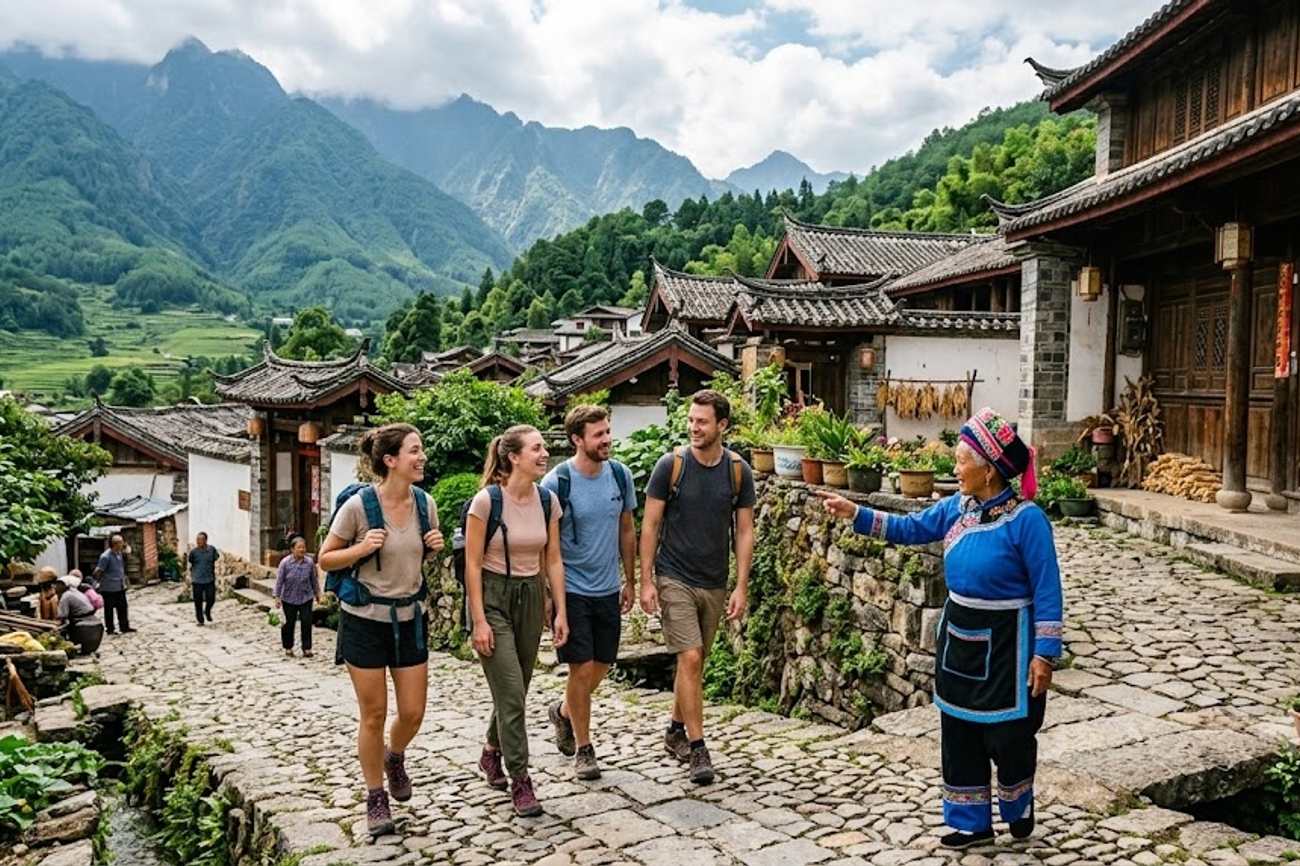
Image generated by AI
[Baoshan, October 2024] — Baoshan, a city in southwest China’s Yunnan province, is deploying a comprehensive rural revitalization strategy that integrates ecological preservation, agricultural industry, and cultural heritage to pivot away from traditional sightseeing. The initiative transforms the region into an active destination by converting local industries—specifically tea and dendrobium cultivation—into immersive visitor experiences.
The shift is led by municipal authorities seeking to strengthen the local economy through "high-quality development" of the cultural and tourism sectors. By merging accommodation, outdoor recreation, and agricultural education, Baoshan is repositioning its rural landscapes as primary attractions rather than transit points for travelers heading to larger hubs. This strategy aligns with broader directives from the Ministry of Culture and Tourism of the People's Republic of China to promote sustainable rural growth.
The Catalyst for Rural Transformation
The immediate driver of this shift is a strategic move toward "rural revitalization," using tourism as a tool to modernize local industries without erasing regional identity. Baoshan is moving beyond the passive observation of landscapes, instead creating "experience-based" tourism. This involves the systemic integration of local livelihoods—such as farming and traditional crafting—into the commercial tourism product.
The city is leveraging its geographic position in Yunnan to capture a growing global market of travelers who prioritize authenticity and environmental connection over mass-market tourism. By diversifying its offerings, Baoshan aims to create a resilient economic ecosystem where income is distributed directly to village residents through the ownership and operation of tourism assets.
Markets and Sectors Impacted
The transformation affects several distinct sectors of the local economy and targets specific traveler demographics:
- Hospitality Sector: The rise of countryside homestays is replacing traditional hotel models, shifting the focus toward community-integrated lodging.
- Outdoor Recreation: The expansion of professional camping sites is targeting the "slow travel" market and nature enthusiasts.
- Agricultural Industry: Tea plantations and dendrobium cultivation sites are now functioning as educational galleries and tourist hubs.
- Cultural Preservation: Historic sites, most notably He shun Ancient Town, are being integrated into broader rural circuits to increase visitor dwell time.
- Environmental Management: Wetland parks are being utilized as both conservation zones and sightseeing destinations.
Practical Traveler Advisory and Strategic Insights
For the international and domestic traveler, this transition changes the nature of a visit to southwest Yunnan. The experience is shifting from a "checklist" of monuments to a participatory itinerary.
Direct Passenger and Visitor Impact:
- Accommodation Shift: Travelers will find fewer standardized hotels and a surge in rural homestays. This means more authentic local interactions but potentially less predictable amenity standards.
- Itinerary Expansion: Instead of a day trip to a historic site, visitors are now encouraged to spend multiple days in one area, engaging in "tea tourism" or exploring dendrobium exhibitions.
- Activity Diversification: The availability of organized camping and wetland trekking provides more options for active travelers who previously found the region's offerings too limited.
- Educational Value: The integration of agricultural sites means visitors can now engage in the actual process of tea production and learn about the specialized cultivation of dendrobium, adding a layer of "edutainment" to the trip.
The Integration of Industry and Ecology
Baoshan is utilizing its natural assets as a competitive advantage to drive sustainable growth. The development of wetland parks serves as a primary example of this balance, where the Yunnan Provincial Government guidelines on ecological protection are being mirrored in tourism design. These parks allow for visitor access while maintaining strict environmental safeguards, catering to the increasing demand for sustainable travel.
The tea industry has undergone a similar evolution. By opening plantations to the public, the city is creating a direct link between the consumer and the producer. This "tea tourism" model increases the value of the agricultural product by adding a service component, allowing farmers to earn from both the crop and the experience of the visitor.
Simultaneously, the dendrobium industry—a specialized botanical sector—has been converted into a unique attraction. Through exhibition areas and educational tours, Baoshan is showcasing a niche agricultural product that distinguishes it from other Yunnan destinations. This diversification ensures that the city is not overly reliant on a single attraction, such as a historic town or a specific mountain range.
China's Baoshan is experiencing rapid growth in rural tourism, driven by its rich cultural heritage and stunning ecological landscapes, attracting visitors from around the world to explore its natural wonders and traditional villages. According to the Yunnan Tourism Board, the region is investing heavily in infrastructure development to support the influx of tourists, including new hotels, restaurants, and transportation links. This growth is expected to continue, with the local government implementing initiatives to promote sustainable tourism practices and preserve the area's unique cultural and environmental assets.
The Role of Cultural Heritage
While new ecological and agricultural products are the focus of growth, the city is not abandoning its history. He shun Ancient Town remains a cornerstone of the tourism strategy. However, rather than treating the town as an isolated museum, Baoshan is linking these historic centers to the surrounding rural landscapes.
This creates a "multi-dimensional" journey where a visitor can spend the morning in an ancient architectural district, the afternoon in a tea plantation, and the evening in a rural homestay. This holistic approach is designed to increase the average length of stay and the total spend per visitor, providing a more sustainable financial model for the region.
Future Trajectory and Sustainability
The long-term goal for Baoshan is to establish a blueprint for high-quality, sustainable tourism that can be replicated in other rural Chinese districts. The focus remains on "innovation," which in this context means finding new ways to monetize existing resources without destroying them.
As the city continues to develop its infrastructure for camping and eco-tourism, the focus will likely shift toward improving accessibility and digital integration for international visitors. The success of this model depends on the city's ability to maintain the "authentic" feel of its rural communities while scaling the infrastructure to handle increased visitor volumes.
The integration of nature-based journeys with cultural depth positions Baoshan to capture the "meaningful travel" segment of the market. By protecting its landscapes and investing in community-led tourism, the city is building a foundation for growth that prioritizes environmental balance over rapid, unchecked expansion.
FAQ: Baoshan Rural Tourism 2024
What is "Tea Tourism" in Baoshan? It is an experience where visitors visit active tea plantations to learn about cultivation and processing. It combines agricultural education with sightseeing, allowing travelers to engage directly with the farmers and the landscape.
Where can I stay when visiting rural Baoshan? The region is moving away from traditional hotels toward countryside homestays. These lodgings are managed by local residents and are designed to provide an authentic experience of rural community life.
What is dendrobium tourism? Baoshan has turned its specialized dendrobium plant cultivation into a tourist attraction. Visitors can explore exhibition areas to learn about the plant's properties and the region's agricultural expertise in growing it.
Is He shun Ancient Town still accessible? Yes, it remains a primary attraction. It is now being integrated into broader tours that include wetland parks and rural villages to provide a more comprehensive view of the region's history and nature.
A strategic pivot from sightseeing to experiencing.
Related Travel Guides
- Malaysia and Iran Deepen Tourism Push as Tehran Campaign Promotes Halal and Family Travel
- Saudi Arabia Sees National Day Travel Boom as Jeddah Flights and Makkah Hotel Searches Surge
- Libya Steps Up With Qatar and Others As Emerging Dark Sky Tourism Destinations Redefine Luxury Desert Travel For International Visitors
Disclaimer
This article is for informational and educational purposes only. It does not constitute legal, financial, or professional advice. While we strive to provide accurate and up-to-date information, travel policies, regulations, and conditions change rapidly. Always verify information with official sources before making travel decisions. Nomad Lawyer makes no representations about the accuracy, reliability, completeness, or suitability of the information provided. Readers should consult qualified professionals for advice specific to their circumstances. The views expressed in this article are those of the author and do not necessarily reflect the views of Nomad Lawyer.
Kunal K Choudhary
Co-Founder & Contributor
A passionate traveller and tech enthusiast. Kunal contributes to the vision and growth of Nomad Lawyer, bringing fresh perspectives and driving the community forward.
Learn more about our team →