
Vietnam Welcomes Record Eight Point Seven Nine Million International Visitors as E-Visa Reforms and Planned High-Speed Rail Upgrades Drive South Korean and Indian Travel Demand: New Travel Alert
Vietnam's tourism booms in 2026 with 8.79 million arrivals in five months, supported by expanded E-visa policies and high-speed rail plans.

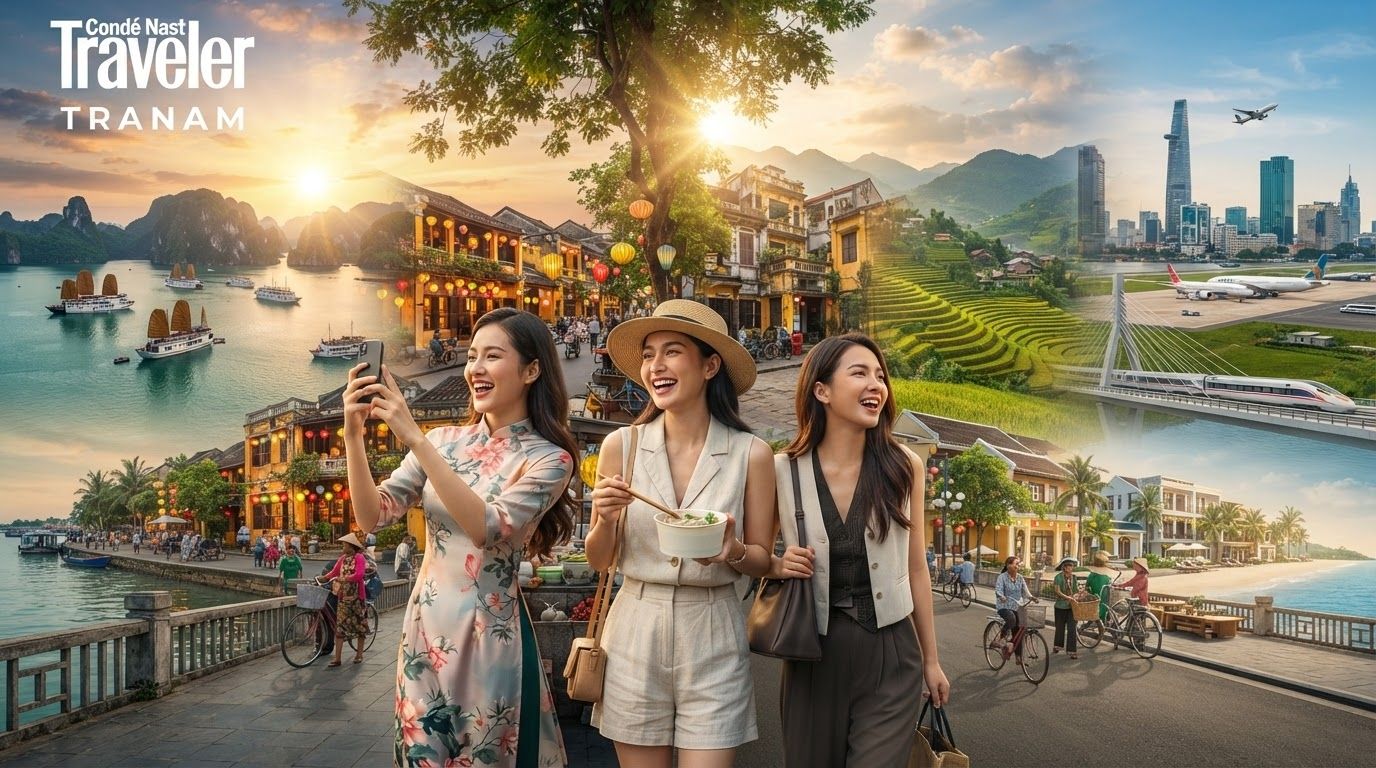
Image generated by AI
Published on July 16, 2026
Vietnam’s tourism sector has entered a major expansion phase in 2026, recording unprecedented growth in international visitor arrivals during the first half of the year. Backed by expanded online entry options and major domestic transportation projects, the country is seeing a significant influx of travelers from regional source markets. International tourists planning visits to Southeast Asia are encouraged to utilize updated entry platforms, check flight networks, and explore how upcoming infrastructure upgrades will make traveling across the country much easier.
Quick Summary
- Record Visitor Growth: Vietnam welcomed 8,793,694 international visitors between January and May 2026, marking a significant increase over the previous year.
- Simplified Online Entry: Expanded e-visa policies managed by the Ministry of Public Security have streamlined application processes for global travelers.
- Key Source Markets: Tourism from India reached 408,463 visitors in five months, while South Korea remained the largest source market, sending nearly 490,000 visitors in January alone.
- High-Speed Rail Project: The government has approved a 1,541-kilometer North-South High-Speed Rail network linking Hanoi and Ho Chi Minh City.
- Aviation Foundations: International aviation remains the main transit channel, with more than 8 million arrivals passing through major airports.
Context and Background: Infrastructure Upgrades Supporting Tourism Growth
The sharp rise in visitor arrivals highlights Vietnam's growing appeal as a key destination in Asia for beaches, heritage sites, and cultural travel. Rather than relying on recovery programs, national planners are focusing on long-term growth by improving travel access and modernizing transit systems. These initiatives are designed to encourage longer stays and increase visitor spending.
Key to this strategy are digital visa updates and large-scale infrastructure projects. According to figures from the Vietnam National Authority of Tourism, these policy updates have made the country much more competitive. By linking major airports with high-speed rail lines, authorities are building a connected transit network to help visitors explore beyond traditional tourism hubs.
Event and Incident Details: Visitor Statistics and Transportation Plans
Vietnam’s tourism growth during the first five months of 2026 is supported by detailed immigration data and approved transportation plans. The combination of easy online visas and expanded flight connections has helped the country attract a diverse range of international travelers.
Key details of the visitor data and infrastructure projects include:
- Arrival Channels: Air travel remains the primary method of entry, accounting for the vast majority of the 8.79 million arrivals recorded through May.
- Primary Airport Gateways: Major entry points include Noi Bai International Airport in Hanoi, Tan Son Nhat International Airport in Ho Chi Minh City, and Da Nang International Airport.
- E-Visa Application Reforms: The online portal run by the Ministry of Public Security allows eligible travelers to secure entry permits online, simplifying trip planning.
- North-South High-Speed Rail: The approved 1,541-kilometer rail corridor will connect Hanoi and Ho Chi Minh City, linking major cultural sites and economic centers.
- South Korean Demand: South Korea remains the largest source of visitors, with coastal areas like Da Nang, Nha Trang, and Phu Quoc serving as major attractions.
- Indian Market Expansion: India is one of the fastest-growing markets, with 408,463 arrivals in five months, supported by direct flights and wedding tourism.
Risk and Impact: Managing High Visitor Volumes and Infrastructure Strain
Managing a large surge in international arrivals involves several operational challenges and risks that planners must address:
- Airport Congestion: High arrival numbers put pressure on processing times and services at Noi Bai and Tan Son Nhat airports during peak periods.
- Environmental Impact on Coasts: Rising visitor numbers in popular beach destinations like Nha Trang and Phu Quoc require careful waste and water management.
- Domestic Travel Bottlenecks: Until the high-speed rail project is completed, travelers must rely on domestic flights or highway transit, which can lead to delays.
- Overconcentration of spending: Concentrating tourism spending in a few major cities can leave rural and heritage communities without economic benefits.
What Authorities Are Saying: Encouraging Sustainable Quality Growth
National and regional tourism officials have emphasized that infrastructure development must support long-term, high-quality visitor experiences.
Statements on the Vietnam Government Portal highlight that the 1,541-kilometer North-South High-Speed Rail project is a key priority for national development. By improving regional transit, the railway will help reduce reliance on domestic flights and encourage visitors to explore more parts of the country.
Immigration authorities also note that the e-visa platform is constantly being updated to ensure fast, transparent, and secure entry processing for international visitors.
Practical Traveler Advice: Planning Your Trip to Vietnam
For travelers planning a trip to Vietnam during this busy tourism year, the following practical recommendations will help ensure a smooth journey:
- Use the Official E-Visa Portal: Apply for entry permits directly through the official government website to avoid extra fees from unauthorized agencies.
- Explore Multiple Regions: Take advantage of domestic flights and local rail options to visit cultural sites, including UNESCO World Heritage sites in Vietnam, such as Ha Long Bay or Hoi An.
- Allow Time for Airport Transfers: Arrive at major airports like Tan Son Nhat early, as customs and baggage processing can take longer during busy travel seasons.
- Book Regional Travel Early: If traveling to popular coastal spots like Da Nang or Phu Quoc, book your lodging, tours, and domestic flights well in advance.
- Prepare for Altitude and Weather Changes: Vietnam has diverse climates; check local weather forecasts for both northern highlands and southern beaches when packing.
Broader Context: Shifting Travel Preferences in Key Source Markets
The rise in arrivals reflects changing preferences among travelers from India and South Korea. Indian consumers are increasingly looking for value-driven luxury, cultural heritage, and wedding destinations, making Vietnam's diverse landscapes an attractive choice. Meanwhile, South Korean visitors continue to drive demand for golf tourism and beach resorts in Da Nang and Nha Trang, providing consistent support for the country's leisure travel industry.
What to Expect Next: High-Speed Rail and Aviation Expansion
Looking ahead, the development of the North-South High-Speed Rail will continue to be a focus for national transport planners. As work on the rail corridor progresses, aviation partners are also expected to add more direct routes from India and South Korea, further improving international access and helping the country maintain its strong position in the Asian tourism market.
Conclusion
Vietnam's tourism growth in 2026 is the result of strategic planning, digital visa reforms, and long-term transport investments. By simplifying entry procedures and planning major rail projects, the country is making it easier for visitors to explore its cities and coastal areas. Travelers who plan ahead and explore off-the-beaten-path destinations will enjoy a rewarding travel experience.
FAQ: Vietnam Tourism Growth and Infrastructure Projects
How many international visitors did Vietnam welcome in early 2026?
Official statistics show that Vietnam welcomed 8,793,694 international visitors during the first five months of 2026.
What is the status of Vietnam's E-visa policies?
The electronic visa system, managed by the Ministry of Public Security, allows eligible travelers to apply online, simplifying entry procedures and reducing administrative barriers.
Which countries are driving the growth in tourism?
South Korea remains the largest source market, with nearly 490,000 visitors in January alone, while India is the fastest-growing market, sending 408,463 visitors in the first five months of the year.
What is the North-South High-Speed Rail project?
It is a planned 1,541-kilometer high-speed railway designed to connect Hanoi and Ho Chi Minh City, linking major cultural and economic centers across the country.
Which airports are the main entry points for international visitors?
The primary airports for international arrivals are Noi Bai International Airport in Hanoi, Tan Son Nhat International Airport in Ho Chi Minh City, and Da Nang International Airport.
Related Travel Guides
The 10 Best Coastal Destinations in Vietnam, According to Reddit
SEO & Google News Metadata (Suggestions):
Disclaimer
This article is for informational and educational purposes only. It does not constitute legal, financial, or professional advice. While we strive to provide accurate and up-to-date information, travel policies, regulations, and conditions change rapidly. Always verify information with official sources before making travel decisions. Nomad Lawyer makes no representations about the accuracy, reliability, completeness, or suitability of the information provided. Readers should consult qualified professionals for advice specific to their circumstances. The views expressed in this article are those of the author and do not necessarily reflect the views of Nomad Lawyer.
Kunal K Choudhary
Co-Founder & Contributor
A passionate traveller and tech enthusiast. Kunal contributes to the vision and growth of Nomad Lawyer, bringing fresh perspectives and driving the community forward.
Learn more about our team →