
Flight Disruptions Snarl Nashville International as 151 Flights Face Delays
Over 150 flights faced delays and cancellations at Nashville International Airport on May 9, 2026, as Southwest, Delta, American, and United Airlines experienced cascading disruptions across major US domestic routes.

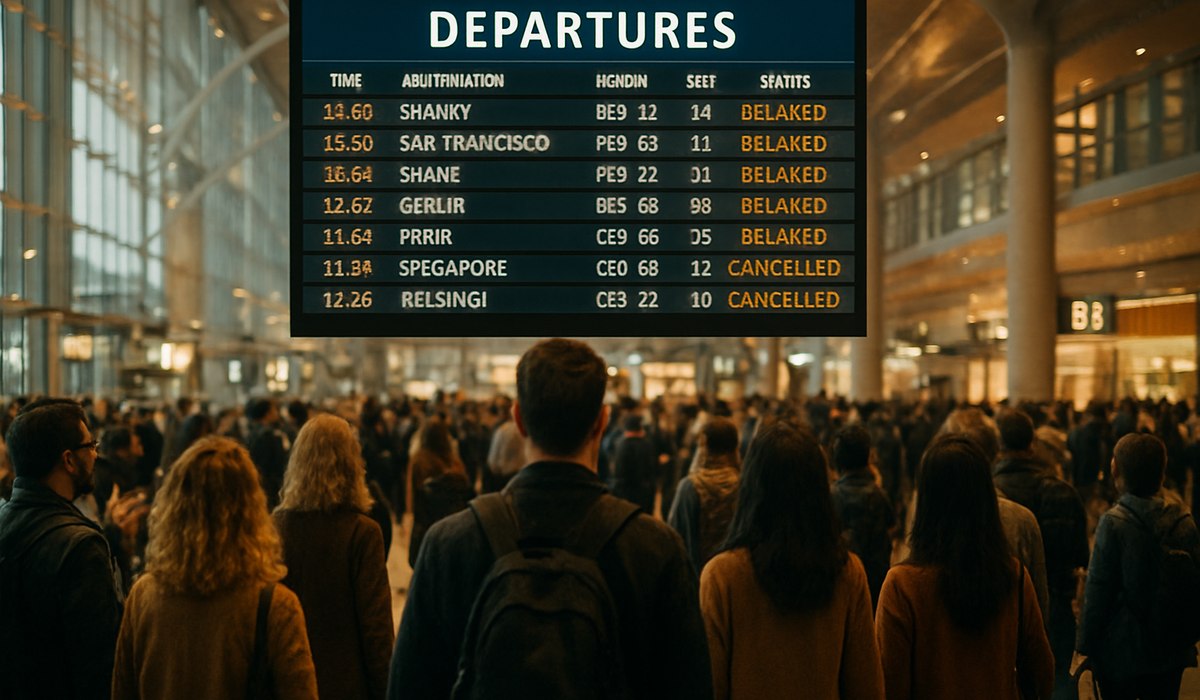
Image generated by AI
Nashville Airport Grinds to Halt as Major Carriers Face Cascading Delays
Nashville International Airport experienced significant operational strain on May 9, 2026, when 151 flights were disrupted by cascading delays and cancellations. Southwest Airlines, Delta Air Lines, American Airlines, and United Airlines—carriers that collectively dominate Nashville's domestic network—bore the brunt of the disruption. The incident rippled across critical US routes connecting Nashville to New York, Chicago, Atlanta, and Dallas, affecting thousands of passengers during a peak travel weekend.
Which Airlines Were Most Affected
Southwest Airlines, which maintains robust point-to-point operations from Nashville, experienced rolling delays across multiple departure and arrival windows throughout the day. The carrier's dense scheduling model, designed for efficiency during normal operations, amplified the cascading effect when initial delays occurred.
Delta Air Lines and American Airlines—which use Atlanta and Dallas-Fort Worth respectively as major connecting hubs—also reported significant schedule disruptions. Flights feeding passenger traffic into these hub operations faced extended departure times and scattered cancellations. United Airlines, which operates extensive Nashville-to-Chicago and Midwest-to-East Coast service, registered comparable delays.
Flight tracking data from FlightAware and airport status boards confirmed that the disruptions were not isolated to a single carrier or time period. Instead, the pattern resembled a rolling irregular operations event, where morning disruptions cascaded into afternoon and evening hours as airlines struggled to reposition aircraft and crews with limited spare capacity available.
How Disruptions Cascaded Across Domestic Routes
The flight disruptions snarl at Nashville highlighted vulnerabilities in US domestic aviation networks. When capacity constraints emerge at mid-sized connecting airports like Nashville, they quickly propagate upstream and downstream. Flights bound for major hubs—particularly those serving the New York area, Chicago O'Hare, Atlanta, and Dallas-Fort Worth regions—experienced the most significant delays.
The cascading effect occurred because Nashville functions as a secondary hub for onward connectivity. Aircraft arriving late into Tennessee from disrupted morning flights subsequently departed late for downstream destinations. This compression meant that even flights initially scheduled to depart on time ultimately faced departure delays of 30 minutes to several hours.
Crew positioning and aircraft utilization challenges compounded the situation. Tight scheduling left airlines minimal flexibility to absorb disruptions. A mechanical delay affecting one aircraft type or crew rest violations forced carriers to cancel rather than reschedule flights, further straining passenger accommodation options.
Rolling Delays Expected Through Evening
By mid-afternoon on May 9, airport operations entered what the industry terms an "irregular operations" (IROPS) phase. The FAA monitored the disruption as airlines continued working through backlog recovery. Ground delays and flight rerouting affected not only Nashville but also connected hubs experiencing inbound traffic compression.
Recovery efforts extended well into evening hours as airlines prioritized clearing their schedules for May 10 operations. Many carriers implemented ground stop protocols at Nashville to manage the volume of aircraft requiring turnaround and crew rest. Passengers on evening departures frequently encountered fully booked flights, limiting same-day rebooking options.
Airlines activated flexible change policies and offered accommodation on later flights at no additional charge for affected travelers. However, constrained seat availability at secondary airports meant many passengers faced overnight waits or multi-stop routing to reach final destinations.
What Nomad Lawyers Should Know
Remote work professionals and business travelers relying on consistent flight schedules face unique challenges during disruption events. Network delays don't simply impact immediate travel plans; they cascade across multi-city itineraries common in nomadic legal practice.
The Nashville disruptions on May 9 demonstrated how a single airport's operational issues can strand travelers at intermediate hubs for 12-24 hours. Those connecting through Atlanta, Dallas, or Chicago faced secondary delays when incoming flights arrived late, consuming connection time buffers.
Travel insurance and airline frequent flyer status provide limited protection during irregular operations. Status benefits may secure priority rebooking, but availability remains constrained during system-wide disruptions. Business travelers should build 3-4 hour connection buffers on critical itineraries and monitor FlightAware status pages proactively.
The US Department of Transportation maintains passenger compensation rules for airline-caused delays exceeding three hours on domestic flights, though force majeure and operational decisions create gray areas. Documentation of delays and carrier communications becomes essential for potential compensation claims.
Traveler Action Checklist
-
Monitor real-time flight status using FlightAware or airline mobile apps before departing for the airport during peak travel periods.
-
Contact your airline immediately if delays exceed 90 minutes to understand rebooking options and meal/hotel accommodations.
-
Document departure times, gate assignments, and delay announcements with photos for potential compensation claims under DOT regulations.
-
Request written confirmation of any accommodation offers, rebooking onto later flights, or compensation eligibility from airline representatives.
-
Review airline delay waiver policies on their website—many carriers offer flexible change options during IROPS events without standard fees.
-
Adjust connection windows for future bookings to Nashville—allow minimum 3-4 hours for hub connections through Atlanta, Dallas, or Chicago.
-
File DOT complaints at transportation.gov if delays exceed three hours and compensation was denied without valid operational justification.
| Metric | Details |
|---|---|
| Total Disrupted Flights | 151 flights (delays and cancellations combined) |
| Primary Airport | Nashville International Airport (BNA) |
| Most Affected Airlines | Southwest, Delta, American, United |
| Key Routes Impacted | Nashville-New York, Nashville-Chicago, Nashville-Atlanta, Nashville-Dallas |
| Disruption Duration | Morning through evening (12+ hours) |
| Root Cause Category | Cascading operational strain, crew/aircraft positioning |
| Passenger Impact | Thousands affected; limited rebooking availability |
Frequently Asked Questions
What causes flight disruptions like Nashville's May 9 incident?
Flight disruptions result from cascading failures when initial delays compress aircraft turnaround schedules and exhaust crew rest hours. At secondary airports like Nashville that depend on major hub connections, upstream delays at Atlanta or Dallas translate directly into downstream schedule disruptions. Tight aircraft utilization across the US airline system leaves minimal recovery capacity.
Am I entitled to compensation if my flight was delayed during the Nashville disruption?
Under DOT regulations, airlines must provide compensation for delays exceeding three hours caused by airline operations, crew scheduling, or maintenance. However, irregular operations and operational decisions may qualify as exceptions. Document your flight details and contact the airline's customer relations department with supporting evidence to pursue claims.
How can I protect myself from similar disruptions on future trips?
Build 3-4 hour connection buffers on hub connections, purchase travel insurance with delay coverage, maintain airline status for priority rebooking access, and monitor flight status 24 hours before departure. Flexible ticket types and change policies provide protection during irregular operations events.
Should I avoid flying into Nashville during peak travel periods?
Nashville handles significant traffic volume and experiences occasional disruptions like other mid-sized US airports. Rather than avoiding the airport entirely, focus on building schedule buffers, selecting direct flights when possible, and maintaining status benefits that improve rebooking odds during disruptions.
Related Travel Guides
Disclaimer
This article is for informational and educational purposes only. It does not constitute legal, financial, or professional advice. While we strive to provide accurate and up-to-date information, travel policies, regulations, and conditions change rapidly. Always verify information with official sources before making travel decisions. Nomad Lawyer makes no representations about the accuracy, reliability, completeness, or suitability of the information provided. Readers should consult qualified professionals for advice specific to their circumstances. The views expressed in this article are those of the author and do not necessarily reflect the views of Nomad Lawyer.
Preeti Gunjan
Contributor & Community Manager
A passionate traveller and community builder. Preeti helps grow the Nomad Lawyer community, fostering engagement and bringing the reader experience to life.
Learn more about our team →