
Eurostar Deploys Fifty Next-Generation Celestia Double-Decker Trains Built by Alstom to Survive Extreme Fifty-Five Degree Celsius Heatwaves on London-Europe Routes: New Travel Alert
Eurostar orders up to 50 Alstom-built Celestia trains, engineered to withstand temperatures up to 55°C, ensuring high-speed rail reliability from 2031.

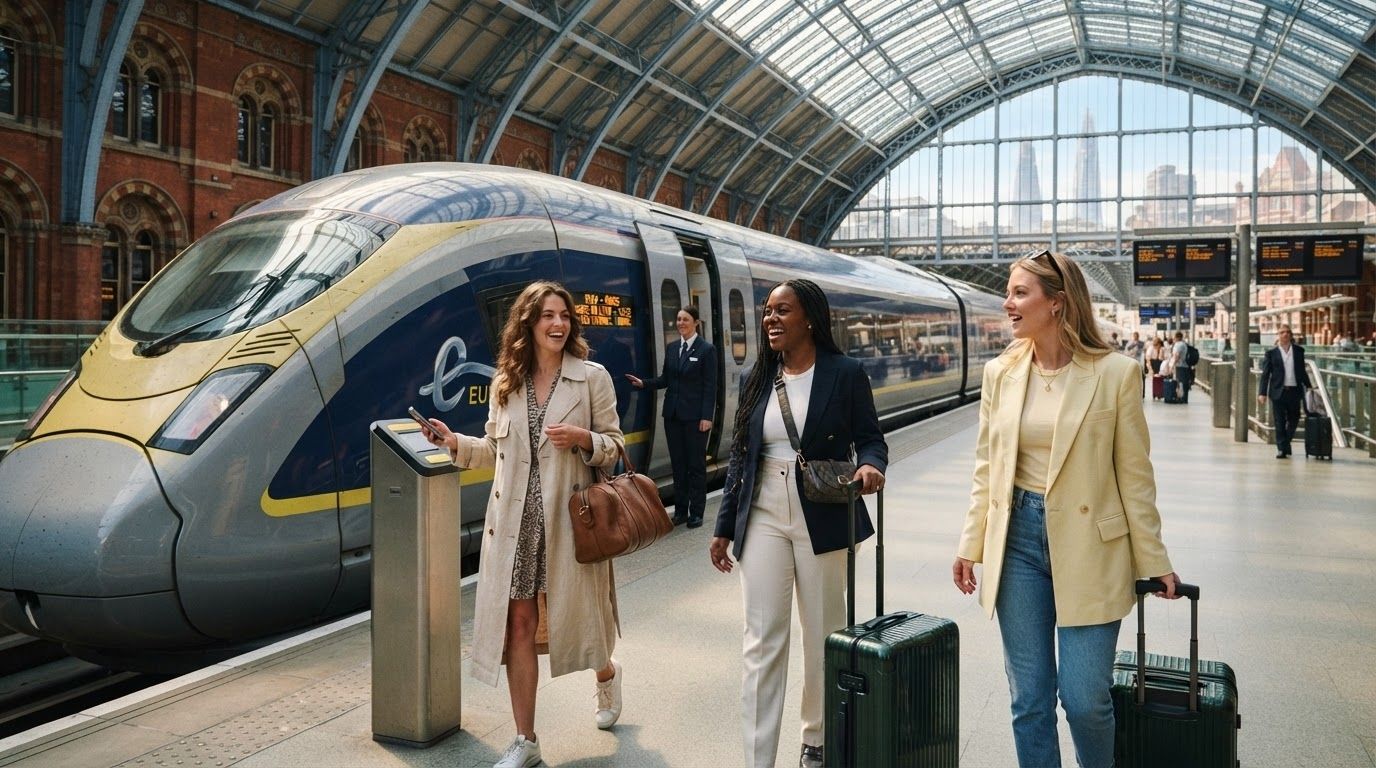
Image generated by AI
Published on July 16, 2026
International rail operator Eurostar is preparing for a hotter European climate by upgrading the technical specifications of its next-generation train fleet to withstand extreme summer heatwaves. Manufactured by Alstom, the new Celestia double-decker trains will be engineered to operate in temperatures reaching up to 55°C, ensuring service reliability across cross-border routes. Passengers using high-speed rail connections between the United Kingdom and continental Europe are advised to follow updates on this fleet rollout, which represents a major step in climate-proofing international travel.
Quick Summary
- Climate-Proof Upgrades: Eurostar is ordering up to 50 Celestia trains designed to operate in extreme temperatures of up to 55°C.
- High-Capacity Double-Deckers: The Alstom-built trains will accommodate approximately 540 passengers each and stretch 200 meters in length.
- Network Milestone: These will be the first double-decker trains to run through the Channel Tunnel and operate on Britain's high-speed lines.
- Target Launch: The fleet is scheduled to enter service in 2031 and is designed to operate into the 2060s.
- Traffic Expansion: The expansion aims to support Eurostar's goal of growing passenger volumes toward 30 million travelers annually.
Context and Background: Adapting Transit Networks to Global Warming
Extreme summer temperatures are becoming a significant operational challenge for transportation networks across Europe. High heat can warp railway tracks, disrupt electrical signaling systems, and cause traditional onboard air-conditioning units to fail. To address these vulnerabilities, the European Union Agency for Railways has urged rail operators and infrastructure managers to invest in climate-resilient equipment.
According to agency assessments, approximately 70% of EU infrastructure managers have reported increasing operational impacts from extreme weather hazards. By upgrading its fleet specifications before the new trains enter service, Eurostar is taking a proactive approach to protect its international routes from future climate shocks.
Event and Incident Details: The Celestia Fleet Specifications
The upcoming Celestia fleet, built by railway manufacturer Alstom, was originally designed to operate in temperatures of around 45°C. However, repeated summer travel disruptions and rising temperature trends pushed Eurostar to increase the fleet's heat tolerance to 55°C.
Key details of the Celestia fleet order and design include:
- Fleet Order Options: The operator has confirmed plans for up to 50 trains, starting with an initial order of 30 units and an option for 20 more.
- Lifespan and Service: The trains will enter service in 2031 and are built to run for several decades, operating into the 2060s.
- Operating Corridors: The double-decker trains will operate on routes linking London to Paris, Brussels, and Amsterdam, with plans to expand to future hubs like Geneva and Frankfurt.
- Channel Tunnel Access: The fleet is designed to meet the strict safety and technical requirements needed to run through the Channel Tunnel.
The table below summarizes the key features of the new Celestia high-speed train fleet:
| Technical Feature | Specifications & Details | Operational Impact |
|---|---|---|
| Train Type | Double-decker high-speed passenger train | Increases seat capacity on busy corridors |
| Manufacturer | Alstom | Preserves long-term engineering and fleet durability |
| Maximum Heat Tolerance | Up to 55°C air-conditioning systems | Protects passenger comfort during summer heatwaves |
| Capacity | Approximately 540 passengers per train | Supports growth toward 30 million travelers yearly |
| Train Length | Around 200 meters | Complies with standard platform and tunnel safety limits |
| Operational Lifespan | From 2031 into the 2060s | Ensures decades of reliable regional transit |
Risk and Impact: Addressing Heatwave Disruptions on Rail Corridors
Severe heatwaves pose several risks to international rail operations, which the Celestia fleet is specifically engineered to mitigate:
- Service Cancellations: Overheating equipment and sagging overhead lines have previously forced operators to cancel services, leaving thousands of passengers stranded.
- Passenger Discomfort: Traditional air-conditioning systems struggle to cool carriages when outside temperatures exceed 40°C, causing uncomfortable conditions for passengers.
- Mechanical Strain: Running trains in high temperatures increases wear on mechanical components, leading to higher maintenance costs and shorter fleet lifespans.
- Aviation Disruptions: When extreme heat disrupts airport operations, rail networks must be reliable enough to handle diverted passenger traffic.
What Authorities Are Saying: Standardizing Resilient Rail Infrastructure
European transportation authorities have emphasized that climate resilience is becoming a key factor in passenger comfort and service reliability.
The European Commission and regional rail regulators have warned that because rail infrastructure remains in service for decades, new projects must be built to withstand future environmental conditions.
Industry analysts note that as travelers increasingly choose rail over short-haul flights to reduce their carbon footprint, operators that can run reliable services during extreme summer weather will hold a significant competitive advantage.
Practical Traveler Advice: Planning Summer Journeys in Europe
For passengers planning to use cross-border rail services during hot summer periods, these tips will help ensure a smoother journey:
- Monitor Travel Advisories: Keep a close eye on service updates through the Eurostar portal, especially during periods of extreme heat warnings.
- Carry Water and Supplies: Always travel with drinking water and basic essentials, particularly on long-distance international journeys.
- Build Buffer Time into Schedules: Allow extra time for connections when traveling through busy hubs like London St Pancras, Paris Gare du Nord, or Brussels Midi.
- Choose Climate-Resilient Routes: When planning summer travel, prioritize operators that use modern, climate-adapted trains to ensure a comfortable journey.
- Book Early for Peak Periods: High-capacity double-decker trains will be popular; book tickets early to secure preferred seating options.
Broader Context: The Shift Toward Sustainable European Travel
The investment in the Celestia fleet comes as European travelers seek sustainable alternatives to short-haul aviation. High-speed rail offers a lower-carbon travel option, connecting city centers directly and avoiding the long boarding procedures of major airports.
By combining double-decker passenger capacity with advanced climate protection, the new fleet will help strengthen this shift, supporting sustainable travel and tourism growth across the continent.
What to Expect Next: Manufacturing and Testing Timelines
Over the coming years, Alstom will manufacture and test the Celestia train prototypes, ensuring they meet the safety standards for the Channel Tunnel and high-speed tracks in the UK, France, Belgium, and the Netherlands. Following successful test runs, the first passenger services are expected to launch in 2031, marking a new chapter in climate-resilient travel.
Conclusion
Eurostar's upgrade of the Celestia fleet to withstand 55°C temperatures highlights the growing focus on climate adaptation in the transport industry. By preparing for future environmental challenges years before the trains enter service, the operator is helping to protect international travel from climate disruptions. Travelers who plan ahead and choose resilient transit options will enjoy dependable journeys even as summer temperatures rise.
FAQ: Eurostar Celestia Fleet and Climate Adaptation
Why is Eurostar upgrading its trains to withstand 55°C?
Eurostar is upgrading the fleet's specifications to ensure that the trains' air-conditioning systems and mechanical components can operate reliably during extreme summer heatwaves.
When will the new Celestia trains enter service?
The first Celestia trains are scheduled to begin commercial passenger operations in 2031, with a planned service lifespan extending into the 2060s.
How many passengers can each Celestia train carry?
Each double-decker train will have a passenger capacity of approximately 540 passengers and a length of about 200 meters.
Which routes will the new trains operate on?
The trains will run on Eurostar's core routes connecting London with Paris, Brussels, and Amsterdam, with potential future expansions to Geneva and Frankfurt.
Who is manufacturing the new Celestia fleet?
The trains are being built by the French railway manufacturing company Alstom.
Related Travel Guides
The 10 Best High-Speed Rail Networks in Europe, According to Reddit
SEO & Google News Metadata (Suggestions):
Disclaimer
This article is for informational and educational purposes only. It does not constitute legal, financial, or professional advice. While we strive to provide accurate and up-to-date information, travel policies, regulations, and conditions change rapidly. Always verify information with official sources before making travel decisions. Nomad Lawyer makes no representations about the accuracy, reliability, completeness, or suitability of the information provided. Readers should consult qualified professionals for advice specific to their circumstances. The views expressed in this article are those of the author and do not necessarily reflect the views of Nomad Lawyer.
Kunal K Choudhary
Co-Founder & Contributor
A passionate traveller and tech enthusiast. Kunal contributes to the vision and growth of Nomad Lawyer, bringing fresh perspectives and driving the community forward.
Learn more about our team →