
Argentina Launches Latin America’s First Solar Train in Jujuy, Reviving a Ten-Thousand-Year Andean Heritage Corridor to Boost Sustainable Cultural Travel: New Travel Alert
Argentina introduces Latin America's first solar-powered passenger train in Jujuy, connecting historic Indigenous villages along a UNESCO World Heritage route.

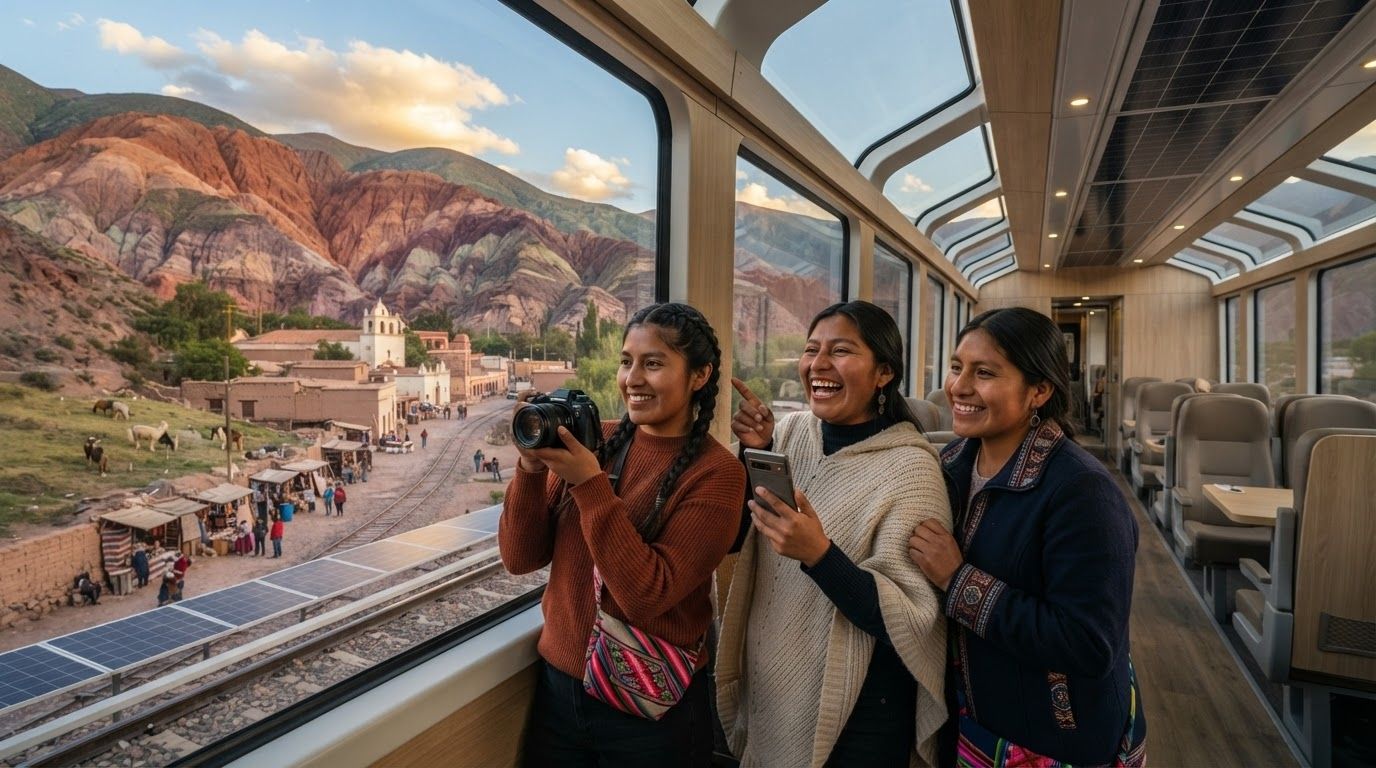
Image generated by AI
Published on July 16, 2026
Argentina is leading a new era of eco-friendly transport with the launch of Latin America’s first solar-powered passenger train, offering travelers a green way to explore one of South America's most historic regions. Running through the Quebrada de Humahuaca in Jujuy Province, the innovative railway connects remote Indigenous communities, geological wonders, and centuries-old cultural sites. Global travelers seeking authentic, low-impact journeys are encouraged to experience this unique solar railway to support sustainable tourism and discover the shared heritage corridor connecting Argentina, Chile, and Bolivia.
Quick Summary
- Innovative Rail Technology: Running primarily on renewable energy, this passenger railway is Latin America's first solar-powered heritage train.
- UNESCO Corridor: The service operates along a restored 19th-century rail line within the UNESCO World Heritage-listed Quebrada de Humahuaca in Jujuy, Argentina.
- Andean Connectivity: The route covers 42 kilometers at a slow speed of 33 km/h, encouraging slow travel and detailed sightseeing.
- Heritage Revival: The line follows parts of the Qhapaq Ñan (the ancient Inca road system) and connects six historic Indigenous villages.
- Community-Based Tourism: The project is designed to redirect visitor spending to local family-owned shops, regional artisans, and cultural preservation efforts.
Context and Background: Reclaiming Ancient Trade Corridors
The Quebrada de Humahuaca has served as a vital cultural and economic highway for more than 10,000 years, connecting the high plains of the Andes with the valleys below. Long before modern political boundaries separated Argentina, Chile, and Bolivia, Indigenous communities traveled through this mountainous corridor for trade, agriculture, and ceremonies. Hunter-gatherers first crossed the valley thousands of years ago, and it later became a key segment of the Inca Empire's vast transport network.
To preserve this history, regional authorities in Jujuy developed the solar train to revive a portion of the historical 19th-century rail line. According to descriptions from the UNESCO World Heritage Centre, this valley is an exceptional cultural landscape where ancient trade routes and traditional agricultural systems remain active. The solar railway demonstrates how modern green technology can help preserve historical sites while supporting community-focused tourism.
Event and Incident Details: The Quebrada Solar Train Experience
The Quebrada Solar Train officially began commercial operations in June 2024, establishing a 42-kilometer transit route through northwestern Argentina. The service is designed for slow travel, allowing passengers to enjoy the stunning mountain scenery and visit local communities along the way.
Key features of the solar train service include:
- Jujuy Route Network: The train connects six historic stations: Volcán, Tumbaya, Purmamarca, Maimará, Tilcara, and Hornillos.
- Geological Wonders: Passengers enjoy panoramic views of multicolored mineral deposits, including the Cerro de los Siete Colores (Hill of Seven Colors) in Purmamarca.
- Cultural Stops: Visitors can explore traditional adobe architecture, historic colonial churches, and archaeological museums.
- Local Crafts and Traditions: Station stops feature artisan markets offering llama wool textiles, cactus wood crafts, and regional pottery. Many communities also share spiritual traditions honoring Pachamama (Mother Earth).
The table below lists the key stops and cultural highlights along the Quebrada Solar Train route:
| Station Stop | Historic & Cultural Highlight | Primary Visitor Experience |
|---|---|---|
| Volcán | Southern gateway to the Quebrada | Scenic departure point and mountain views |
| Tumbaya | Colonial history and pilgrimage site | Historic adobe homes and 17th-century church |
| Purmamarca | Famous geological formations | The Hill of Seven Colors and local artisan markets |
| Maimará | Dramatic mineral mountains | Painter's Palette rock formations and agricultural tours |
| Tilcara | Pre-Inca archaeological center | Pucará de Tilcara fortress and local museums |
| Hornillos | Colonial post house and heritage site | Historic postal museum and regional battles history |
Risk and Impact: Safeguarding Fragile Mountain Environments
While opening this region to more visitors offers economic opportunities, it also presents challenges that Jujuy's environmental planners must manage:
- Carbon Footprint Risks: Traditional diesel trains or high-volume car rentals increase emissions, threatening the clean air of the high Andes.
- Overtourism Pressures: Large crowds can strain local resources and disrupt daily life in small, traditional villages.
- Site Preservation: Increased foot traffic near ancient archaeological ruins like Tilcara requires careful management to prevent damage.
- Economic Inequality: Planners must ensure that tourism income goes directly to local residents rather than external tour operators.
What Authorities Are Saying: Encouraging Sustainable Development
Jujuy's provincial authorities designed the solar train to generate long-term income for local communities while encouraging younger generations to remain in their ancestral villages.
According to statements from the Argentina Ministry of Tourism, this green transit project shows how clean energy can support cultural preservation. By reducing emissions and promoting slow travel, the project aligns with national commitments to eco-friendly development.
Tourism officials also emphasize that the train's slower pace encourages visitors to stay longer in the valley, helping to distribute tourism spending more evenly among local restaurants, lodges, and tour guides.
Practical Traveler Advice: How to Plan Your Solar Train Journey
Travelers planning to ride the Quebrada Solar Train can use these practical tips to get the most out of their trip:
- Plan for a Full Day: The 42-kilometer route has many interesting stops; allow a full day to explore the villages of Purmamarca, Tilcara, and Tumbaya.
- Support Local Artisans: Buy directly from community markets to ensure your spending supports family-owned workshops and traditional weavers.
- Respect Indigenous Customs: Be mindful of local traditions, especially ceremonies honoring Pachamama, and ask for permission before photographing residents.
- Prepare for High Altitudes: The Quebrada de Humahuaca is located at high altitude; stay hydrated and take time to adjust to the elevation.
- Book Tickets in Advance: Due to limited capacity on the eco-friendly train, travelers should book their seats early through official regional booking sites.
Broader Context: The Legacy of the Qhapaq Ñan
The railway runs parallel to segments of the ancient Qhapaq Ñan, the extensive Inca road network that once connected communities across western South America. For centuries, this path served as a vital link for trade and communication between communities in what are now Argentina, Chile, and Bolivia. By traveling along this corridor, modern visitors are following in the footsteps of ancient traders, helping to preserve the connection between these Andean nations.
What to Expect Next: Expanding Green Tourism in South America
The success of Jujuy's solar train has sparked interest in similar green transport projects across the Andes. Transport planners in neighboring regions are studying Argentina’s solar railway model to see how clean energy can be used to restore other historic rail corridors, potentially creating a network of sustainable heritage trains across South America.
Conclusion
Argentina's Quebrada Solar Train represents a successful blend of modern green technology and cultural preservation. By connecting travelers with the rich history and beautiful landscapes of the Andes, the service supports sustainable tourism and benefits local communities. Staying prepared, traveling responsibly, and supporting local businesses will ensure a memorable and meaningful journey through this historic valley.
FAQ: Quebrada Solar Train and Jujuy Tourism
What makes the Quebrada Solar Train unique?
It is Latin America's first passenger train powered primarily by solar energy, designed to offer eco-friendly, slow-travel journeys through Jujuy Province.
Where does the train operate?
The train runs along a restored 42-kilometer track in the UNESCO World Heritage-listed Quebrada de Humahuaca valley in northwestern Argentina.
Which villages are connected by the railway?
The route connects six historic stops: Volcán, Tumbaya, Purmamarca, Maimará, Tilcara, and Hornillos.
What is the significance of the Qhapaq Ñan?
The Qhapaq Ñan is the ancient Inca road system that historically connected communities across the Andes. The solar train route follows segments of this ancient network.
How does this project support local communities?
The train encourages visitors to spend time in smaller villages, helping to support family-owned shops, local restaurants, and community-run heritage museums.
Related Travel Guides
The 10 Best Scenic Train Rides in South America, According to Reddit
SEO & Google News Metadata (Suggestions):
Disclaimer
This article is for informational and educational purposes only. It does not constitute legal, financial, or professional advice. While we strive to provide accurate and up-to-date information, travel policies, regulations, and conditions change rapidly. Always verify information with official sources before making travel decisions. Nomad Lawyer makes no representations about the accuracy, reliability, completeness, or suitability of the information provided. Readers should consult qualified professionals for advice specific to their circumstances. The views expressed in this article are those of the author and do not necessarily reflect the views of Nomad Lawyer.
Kunal K Choudhary
Co-Founder & Contributor
A passionate traveller and tech enthusiast. Kunal contributes to the vision and growth of Nomad Lawyer, bringing fresh perspectives and driving the community forward.
Learn more about our team →