
Uzbekistan and Türkiye Tourism Surge 2026: 15.1% Growth, Silk Road Heritage, and TITF Partnership

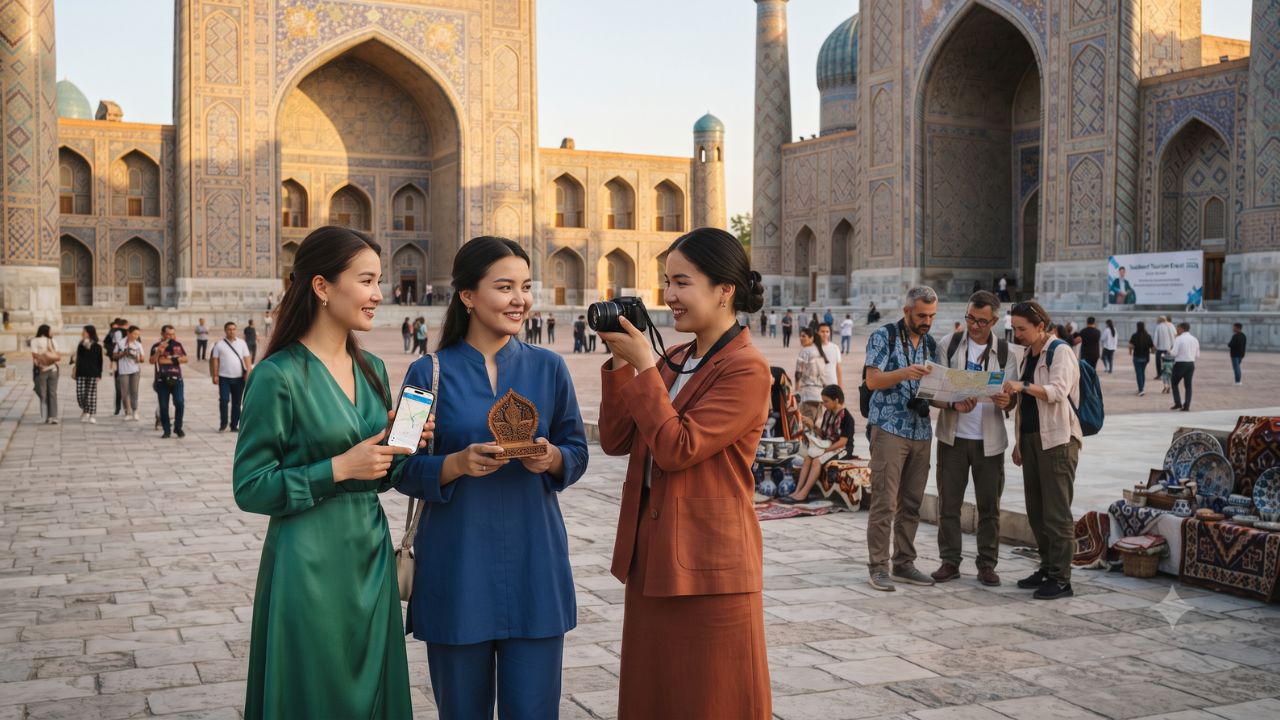
Welcoming 130,100 visitors from Türkiye between January and August 2026—a 15.1 percent surge over 2025—Uzbekistan has elevated the Turkish travel market into its top three non-neighboring source countries alongside Russia and China. Bound by shared Turkic linguistic roots, centuries of shared architectural traditions, and extensive direct flights connecting Istanbul with Tashkent, Samarkand, Bukhara, and Urgench, this cultural corridor is sparking major hotel investments and bilateral travel initiatives across the heart of Central Asia.
The momentum culminates in Türkiye’s official role as the designated partner country for the upcoming Tashkent International Tourism Fair (TITF 2026), an event set to expand joint media campaigns, heritage circuits, and boutique hospitality ventures across the Silk Road.
The Turkish Inbound Surge: Data and Strategic Partnerships
Official data from the Uzbekistan Tourism Portal confirms that travelers from Anatolia represent one of Central Asia's fastest-expanding cultural segments:
- Eight-Month Inbound Milestone: Uzbekistan recorded 130,100 Turkish visitor arrivals from January through August 2026, registering a 15.1 percent year-on-year increase compared to the same period in 2025.
- Top Non-Neighboring Tier: The surge cements Türkiye’s position among Uzbekistan's top three non-border source markets, trailing only Russia and China in total non-adjacent international volume.
- Hotel and Infrastructure Investments: Turkish hospitality groups are actively co-funding modern boutique hotels, restored caravanserai lodgings, and conference facilities across Samarkand, Bukhara, and the Fergana Valley.
- Partner Nation Status at TITF 2026: As the official partner nation for the Tashkent International Tourism Fair, Türkiye is collaborating with Uzbek authorities to launch cross-promotional documentary projects, culinary exchanges, and integrated B2B travel distribution platforms.
What Makes the Uzbek-Turkish Heritage Link Experientially Unique
Traveling through Uzbekistan reveals deep architectural, spiritual, and artistic dialogues that have connected Central Asia with Anatolia for nearly a millennium.
In Samarkand, inscribed on the UNESCO World Heritage List, the soaring turquoise ribbed dome of Gur-e-Amir—the mausoleum of Timur—served as direct inspiration for monumental Seljuk and early Ottoman architectural geometry. Turkish travelers frequently experience an immediate sense of cultural familiarity in Bukhara’s ancient madrasas, where scholars historically moved freely between the Islamic academies of Transoxiana and Istanbul.
The shared linguistic heritage adds an extra layer of ease for Turkish speakers, who can easily converse with local bazaar traders in Tashkent’s Chorsu Market or Khiva’s Itchan Kala. Shared gastronomic traditions—from charcoal-grilled skewers (shashlik) and wood-fired tandoor flatbreads (non) to layered puff-pastry samsa—create an effortless culinary bridge for international visitors.
Visitor Insider Tips for Exploring Uzbekistan in 2026
- Direct Flight Gateways from Istanbul: Turkish Airlines and Uzbekistan Airways operate daily widebody direct flights from Istanbul Airport (IST) not only to Tashkent (TAS), but also directly into historical secondary hubs like Samarkand (SKD), Bukhara (BHK), and Fergana (FEG). Booking open-jaw tickets (e.g., flying into Samarkand and out of Tashkent) eliminates backtracking across the desert.
- Navigating the High-Speed Rail Network: Reserve seats on the electric Afrosiyob high-speed train via the Uzbekistan Railways Booking Portal at least 30 to 45 days in advance. The train whisks passengers between Tashkent, Samarkand, and Bukhara in pure air-conditioned comfort, avoiding long highway drives.
- Bazaar Etiquette and Bargaining: In historic trading domes like Bukhara’s Toqi Zargaron (Jewelers' Dome) or Samarkand's Siab Bazaar, polite bargaining is an honored social custom. Begin negotiations with a warm greeting (Assalomu Alaykum), inquire about the craft's provincial origin (such as Rishtan ceramics or Margilan silk), and expect a respectful 10 to 20 percent discount.
- Best Time for Cultural Exploration: Plan your journey during the pleasant autumn shoulder season (September to early November) or spring (April to May). Daytime temperatures average a comfortable 22 to 26 degrees Celsius, ideal for strolling historic cobblestone alleys without extreme summer desert heat.
- Cash and Payment Advice: While upscale hotels, train stations, and modern restaurants accept Visa and Mastercard, carry physical Uzbek Som (UZS) banknotes for souvenir stalls, traditional tea houses (choyxona), and regional shared taxis.
Cultural and Environmental Context
The expanding tourism partnership between Uzbekistan and Türkiye provides critical economic diversification for ancient Silk Road oasis communities.
Rather than concentrating wealth exclusively within major state-owned hotels, Turkish-Uzbek collaborative investments focus on rehabilitating historic merchant homes into heritage boutique guesthouses. This supports local woodcarvers, tile restorers, and family-owned textile workshops, keeping ancestral craft traditions economically viable for younger artisans.
Environmentally, both nations are coordinating on sustainable tourism infrastructure. Modernizing hotel facilities with solar thermal water heaters, LED grid systems, and water-recycling technology helps oasis cities like Bukhara and Khiva conserve scarce groundwater resources in the arid Kyzylkum desert basin.
FAQ: Visiting Uzbekistan from Türkiye and Abroad 2026
Do Turkish citizens need a visa to visit Uzbekistan?
No. Turkish passport holders enjoy 30-day visa-free entry to Uzbekistan for tourism, requiring only a valid passport and proof of return travel.
What is the fastest way to travel between Samarkand and Bukhara?
The high-speed Afrosiyob train connects Samarkand and Bukhara in just 1 hour and 30 minutes, departing several times daily.
What is the significance of the Tashkent International Tourism Fair (TITF)?
TITF is Central Asia's premier annual travel trade exposition, bringing together international tourism boards, airlines, and hospitality investors to showcase regional tourism opportunities.
Are credit cards widely accepted in Uzbekistan?
Major credit cards are accepted in high-end hotels, modern supermarkets, and train booking offices, but cash in Uzbek Som remains necessary for traditional markets and local transport.
Where the turquoise domes of Samarkand mirror the azure skies of Anatolia, Uzbekistan and Türkiye demonstrate that the historic bonds of the Silk Road remain timeless and unbreakable.
Related Travel Guides
Disclaimer
This article is for informational and educational purposes only. It does not constitute legal, financial, or professional advice. While we strive to provide accurate and up-to-date information, travel policies, regulations, and conditions change rapidly. Always verify information with official sources before making travel decisions. Nomad Lawyer makes no representations about the accuracy, reliability, completeness, or suitability of the information provided. Readers should consult qualified professionals for advice specific to their circumstances. The views expressed in this article are those of the author and do not necessarily reflect the views of Nomad Lawyer.
Naina Thakur
Contributor & Travel Specialist
Travel enthusiast and legal writer covering visa regulations, responsible tourism, and cultural journeys across global destinations.
Learn more about our team →