
Makkah Unveils Advanced Ring Road Corridors: Slashing Travel Times by 90 Percent for Millions of Pilgrims in 2026
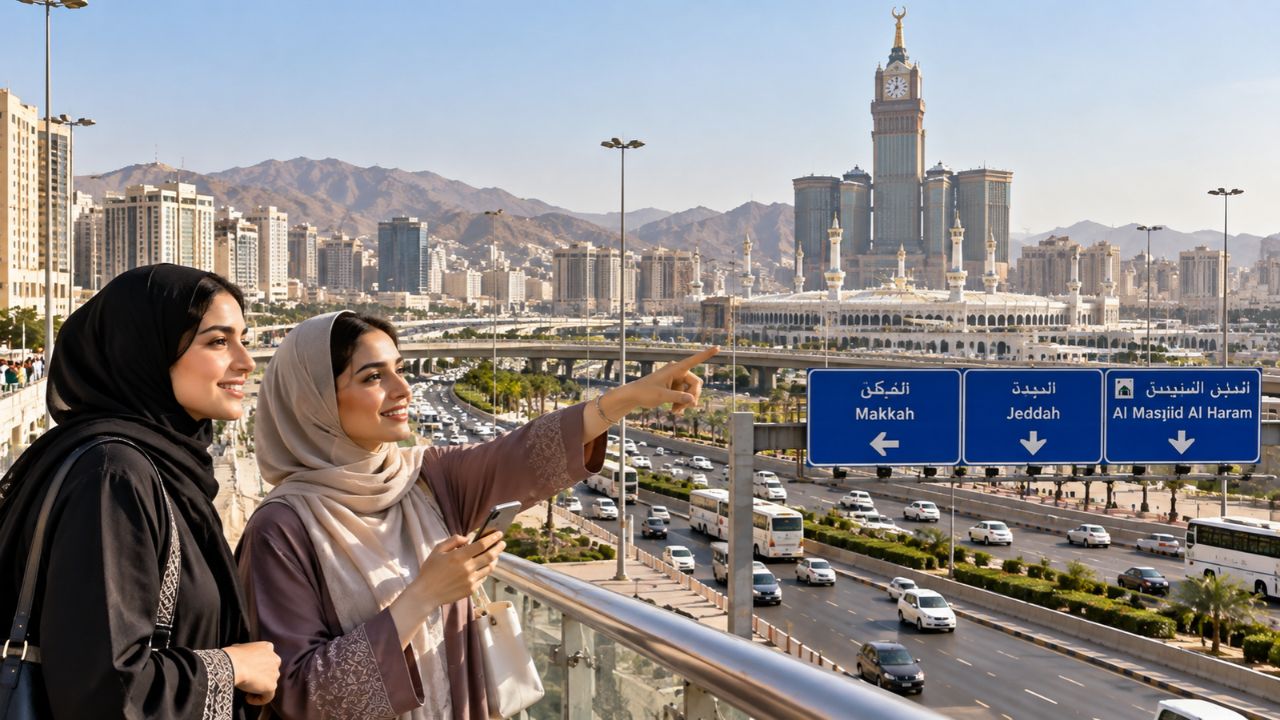
Transit corridors that once trapped pilgrim buses in multi-hour bottlenecks around the holy city of Makkah are now experiencing journey time reductions of over 90 percent. With the official opening of critical new multi-lane expressways along the Third Ring Road and the Prince Saud Al Faisal axis, Saudi Arabia has completed a massive engineering overhaul designed to streamline vehicle flow for millions of international Hajj and Umrah worshippers traveling to the Grand Mosque.
As the spiritual epicenter of the Islamic world, Makkah accommodates one of the highest densities of human movement on earth. The newly inaugurated expressway corridors address long-standing transit pinch points between the city’s outer hospitality districts, high-speed rail terminals, and the central sanctuary of Masjid al-Haram. By redirecting cross-city vehicle traffic away from pedestrian zones, the updated transport network provides faster, safer, and more dignified mobility for worshippers of all ages.
Multi-Lane Expressway Openings Reshape Holy City Transit
The cornerstone of the latest infrastructure milestone is a newly completed 1.5-kilometre section of the Third Ring Road. This arterial project establishes a direct, high-capacity conduit linking the Prince Metab intersection with the Grand Mosque intersection through the Prince Sultan junction. By creating an uninterrupted orbital bypass, the project diverts heavy transit away from inner residential streets, distributing buses, taxis, and private vehicles smoothly into designated multi-level parking terminals.
Simultaneously, the municipal road authorities have opened the final section of Prince Saud Al Faisal Road to active traffic. This upgraded route links the prominent Prince Mohammed bin Salman axis with Abdulqadir Koshak Street through the Prince Naif bin Abdulaziz intersection. The completion of this corridor provides an essential southern and western relief artery, allowing pilgrims arriving from Jeddah and the Red Sea coast to access outer accommodation hubs without entering congested central thoroughfares.
According to updates from the General Authority for Roads, these integrated roadway projects utilize advanced smart traffic management systems, variable electronic message signboards, and high-capacity overpasses to prevent gridlock during peak congregation periods such as Ramadan and the annual Hajj season.
What Makes Makkah’s Modern Urban Mobility Framework Distinct
Navigating Makkah requires balancing sacred ancient geography with 21st-century civil engineering:
The Holy City is built within a rugged valley encircled by steep granitic mountains, creating natural topographical constraints that have historically channeled traffic through narrow mountain passes. The expanded ring road system overcomes these geographic barriers through a concentric series of arterial rings—from the First Ring Road closest to the Kaaba outward to the Fourth and Fifth Ring Roads.
These upgraded thoroughfares work in synergy with Saudi Arabia’s mass transit infrastructure. International pilgrims landing at King Abdulaziz International Airport in Jeddah can board the electric Haramain High-Speed Railway, reaching Makkah in under 35 minutes. From the central rail terminal in the Al-Rusaifah district, the newly connected Prince Saud Al Faisal Road and Third Ring Road allow shuttle buses to transfer passengers directly to hotel towers in Kudai, Aziziyah, and Jabal Omar in a fraction of previous transit times.
Promoted through official platforms by the Ministry of Hajj and Umrah and Visit Saudi, this infrastructure transition supports the goals of Saudi Vision 2030, aiming to host over 30 million annual Umrah pilgrims while maintaining exceptional safety and comfort standards.
Visitor Insider Tips
For international travelers and pilgrims planning Umrah or visiting the holy sites, mastering local transport dynamics ensures a seamless spiritual journey:
- Utilize Peripheral Transit Stations: Rather than attempting to take private taxis directly into the crowded central ring around Masjid al-Haram, use the major transport hubs in Kudai or Al-Jamarat. Board the rapid electric SAPTCO transit shuttles, which travel in dedicated bus-only lanes directly into subterranean terminals beneath the mosque plaza.
- Timing Off-Peak Mosque Visits: To avoid peak vehicle and pedestrian congestion, plan your Tawaf and prayer visits between 10:00 PM and 3:00 AM, or during mid-morning hours between 8:00 AM and 11:00 AM.
- Use the Nusuk Application: All international pilgrims must schedule their Umrah permits and Rawdah visits in Madinah through the official Nusuk mobile application before arrival to ensure seamless entry at security checkpoints.
- Base Yourself Near Express Corridors: When selecting hotels, properties located along the Third Ring Road in Aziziyah or along the Prince Mohammed bin Salman axis provide faster airport transfers and lower room rates compared to immediate courtyard hotels.
- Hydration and Footwear Etiquette: The desert climate requires constant hydration. Always carry a lightweight, reusable shoe bag when entering the mosque marble courtyards, as footwear must be kept with you at all times during prayer.
Cultural and Environmental Context
The modernization of Makkah’s transportation infrastructure reflects a deep commitment to environmental efficiency and pedestrian safety. By eliminating chronic idling in heavy traffic, the new ring road sections significantly reduce automotive carbon emissions across the Makkah basin, improving urban air quality for millions of walking pilgrims.
In addition, these expansive road networks protect historic pedestrian routes. By channelling vehicular traffic into subterranean tunnels and elevated bypasses, the surface areas immediately surrounding the Grand Mosque remain reserved exclusively for foot traffic, prayer expansions, and emergency medical access. The integration of indigenous shade landscaping, water misting cooling stations, and solar-powered street lighting along new arterial corridors highlights Saudi Arabia's approach toward sustainable sacred urbanism.
FAQ: Makkah Travel and Pilgrimage Road Infrastructure 2026
How much time does the new Third Ring Road extension save travelers?
The newly completed sections and improved intersections reduce travel times by over 90 percent on key routes connecting outer districts with the Grand Mosque.
Can international non-Muslim tourists visit Makkah?
Makkah is open exclusively to Muslim travelers for religious pilgrimage and prayer. Non-Muslim international tourists are welcome to explore surrounding cultural destinations including Jeddah, Taif, and AlUla.
What is the fastest way to travel from Jeddah Airport to Makkah?
The Haramain High-Speed Railway offers direct 300 km/h train service from King Abdulaziz International Airport Terminal 1 to Makkah station in approximately 35 minutes.
Are dedicated bus transit lanes available during peak religious seasons?
Yes, the Makkah transport authority operates dedicated bus-only corridors on the Third Ring Road and central arteries to guarantee uninterrupted shuttle operations.
With each newly opened expressway corridor, the journey to the heart of the Islamic world becomes smoother, safer, and profoundly more accessible for pilgrims across the globe.
Related Travel Guides
Disclaimer
This article is for informational and educational purposes only. It does not constitute legal, financial, or professional advice. While we strive to provide accurate and up-to-date information, travel policies, regulations, and conditions change rapidly. Always verify information with official sources before making travel decisions. Nomad Lawyer makes no representations about the accuracy, reliability, completeness, or suitability of the information provided. Readers should consult qualified professionals for advice specific to their circumstances. The views expressed in this article are those of the author and do not necessarily reflect the views of Nomad Lawyer.
Naina Thakur
Contributor & Travel Specialist
Travel enthusiast and legal writer covering visa regulations, responsible tourism, and cultural journeys across global destinations.
Learn more about our team →