
US Issues Urgent Middle East Travel Warning After Riyadh Missile Attack Sparks Fresh Flight Fears
US Issues Urgent Middle East Travel Warning After Riyadh Missile Attack Sparks Fresh Flight Fears

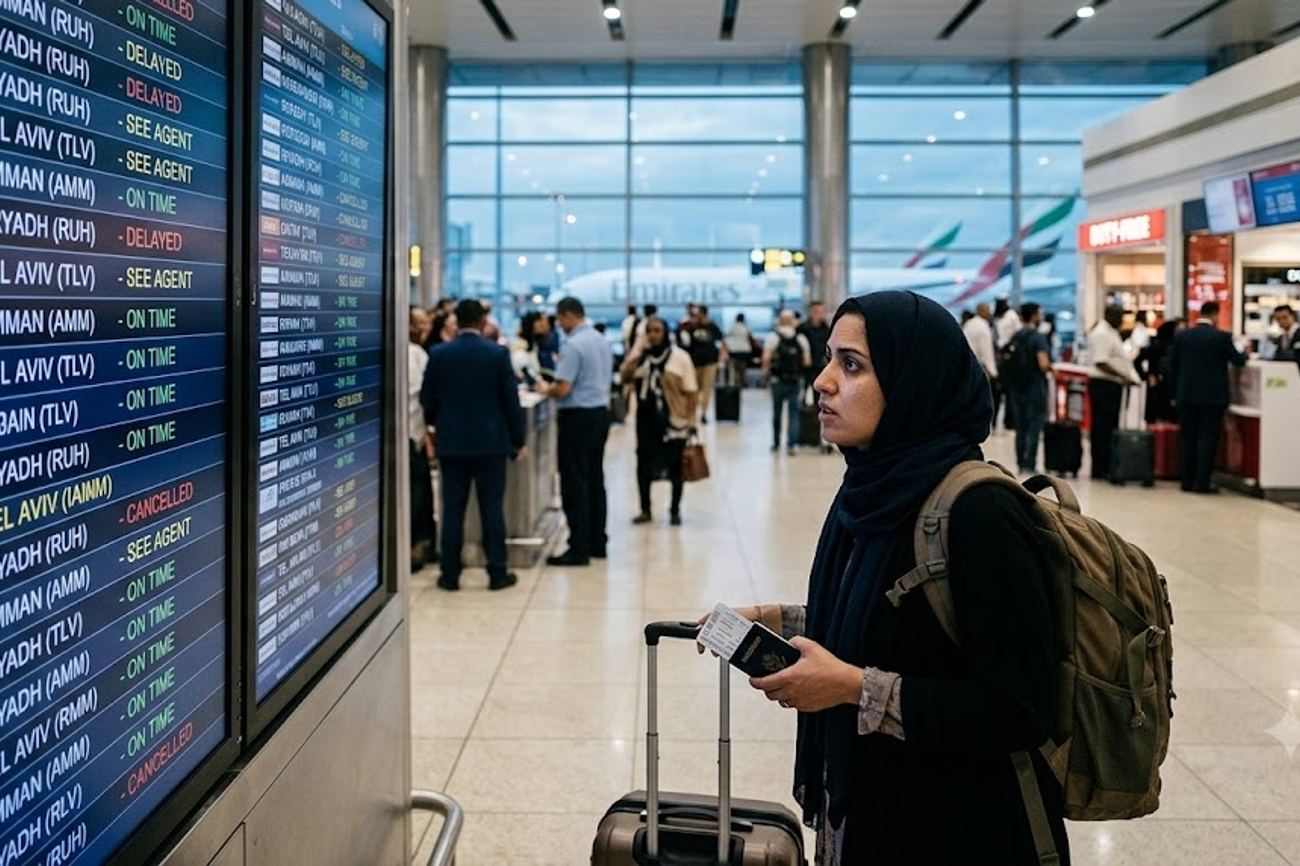
Image generated by AI
[Washington, March 13] — The U.S. State Department has issued an urgent security alert for American citizens traveling to or through the Middle East, citing a volatile security environment and the potential for sudden military escalation.
The warning follows a confirmed ballistic missile launch by Houthi rebel forces in Yemen targeting Riyadh, Saudi Arabia. While Saudi air defense systems successfully intercepted the projectile, the incident has triggered fresh concerns regarding the safety of civilian aviation and the stability of regional airspace. The U.S. Department of State warns that the ongoing friction between Sunni-led nations and Shia-dominated powers, specifically Iran, creates a complex risk profile for all U.S. interests and personnel in the region.
The Riyadh Missile Interception
The immediate catalyst for this alert was a missile strike directed at the Saudi capital. According to reports from the Associated Press, residents in Riyadh heard an explosion and witnessed a plume of smoke near King Khalid International Airport (RUH). Although Saudi authorities reported no casualties or structural damage resulting from the interception, the proximity of the event to a major international aviation hub has placed regional flight operations under intense scrutiny.
This event is not an isolated incident but part of a broader pattern of hostilities involving Iran-backed Houthi forces. The State Department specifically noted that previous attacks in the region have directly targeted civilian airports, increasing the likelihood that current tensions could translate into immediate disruptions for commercial air travel.
Affected Regions and Traveler Profiles
The security alert is broad in scope, impacting various tiers of travelers and specific geographic corridors. While the alert is a regional reminder, the risks vary by destination:
- U.S. Citizens Currently in the Middle East: Advised to exercise "heightened vigilance" and prepare for immediate changes to travel logistics.
- U.S. Citizens Outside the Region: Urged to "seriously reconsider" any planned travel to or through Middle Eastern territories.
- Personnel at U.S. Institutions: The State Department warns that Iran and its proxies may specifically target U.S. businesses, diplomatic interests, and institutions.
- Travelers to Oman: The alert highlights that Oman remains under a "Level 3: Reconsider Travel" advisory (as of August 30), specifically due to terrorism risks and the potential for Iranian drone or missile strikes.
- Transit Passengers: Those utilizing major Middle Eastern hubs for connecting flights are warned that airspace closures in one country often trigger diversions and cancellations in neighboring states.
Practical Traveler Advisory and Strategic Insights
For the average passenger, this alert translates to a high probability of operational instability. Corporate "security environment" language means that your itinerary is no longer guaranteed.
Airspace and Flight Disruptions Travelers should expect sudden airspace closures. When military tensions spike, civilian corridors are often shut down without notice to allow for military sorties or to avoid missile paths. This leads to "knock-on" effects: a missile launch in one sector can cause a flight from New York to Dubai to be diverted to a different hub entirely, even if the destination airport remains open.
Airport Security and Access Increased military activity around hubs like King Khalid International Airport typically results in heightened security screenings, longer wait times, and potential temporary closures of airport access roads. Passengers should allow significantly more time for check-in and security clearance.
Booking and Cancellation Risks Because these disruptions occur with "limited notice," travelers may find themselves stranded if they rely on non-refundable bookings. The current climate necessitates flexible ticketing and comprehensive travel insurance that covers political instability or acts of war.
Regional Security Outlook
The State Department clarified that this communication is a periodic reminder rather than a fundamental shift in the global caution level, which has been in effect since February. However, the specificity of the Riyadh incident suggests a period of heightened risk.
The Bureau of Consular Affairs emphasizes that the security environment remains "complex" and capable of escalating without warning. The primary concern for the coming weeks is the potential for asymmetric warfare—such as drone strikes or missile launches—to target infrastructure associated with the United States or its allies.
Travelers are instructed to move away from relying on previously confirmed itineraries. Instead, the mandate is to maintain a real-time loop of information via the Federal Aviation Administration (FAA) and official embassy communications. The ability to pivot travel plans rapidly is now a necessity for anyone operating within the Middle East theater.
FAQ: Middle East Travel Security 2024
Should I cancel my flight to Riyadh or other Middle Eastern cities? The State Department advises those outside the region to seriously reconsider travel. If you must travel, ensure you have flexible tickets and monitor the U.S. Department of State for country-specific advisory levels, as risks vary by nation.
Will my flight be cancelled if there is a missile launch? Not necessarily, but it is possible. Airspace closures often occur as a precaution. Even if your destination airport is safe, your flight path may be blocked, leading to diversions or cancellations. Always check your flight status before leaving for the airport.
Is the "Level 3" advisory for Oman the same as the general Middle East warning? No. The general warning is a regional security reminder. The Level 3 advisory for Oman is a specific, higher-level caution citing risks of armed conflict and Iranian drone attacks. Always distinguish between general regional alerts and specific country ratings.
What should I do if I am currently in the region? Exercise heightened vigilance. Monitor local news and your airline's updates. Ensure your embassy has your current contact information through the STEP (Smart Traveler Enrollment Program) and maintain a flexible exit strategy.
Travelers are urged to prioritize official government directives over third-party itineraries in this volatile climate.
#RUH-2024 #StateDepartment #SaudiArabiaTravel #MiddleEastAviation #HouthiConflict #OmanTravelAdvisory
Related Travel Guides
- US Issues Urgent Regional Security Warning on Middle East After Houthi Strikes
- UK Travel Alert Heavy Rain Storm Set to Hit 65 Areas as Weather Maps Reveal Major Rainfall Shift Across Britain
- Spain Tourism Boom Tests Water Resources As Coastal Destinations Seek Sustainable Solutions: All You Need to Know
Disclaimer
This article is for informational and educational purposes only. It does not constitute legal, financial, or professional advice. While we strive to provide accurate and up-to-date information, travel policies, regulations, and conditions change rapidly. Always verify information with official sources before making travel decisions. Nomad Lawyer makes no representations about the accuracy, reliability, completeness, or suitability of the information provided. Readers should consult qualified professionals for advice specific to their circumstances. The views expressed in this article are those of the author and do not necessarily reflect the views of Nomad Lawyer.
Raushan Kumar
Founder & Lead Developer
Full-stack developer with 11+ years of experience and a passionate traveller. Raushan built Nomad Lawyer from the ground up with a vision to create the best travel and law experience on the web.
Learn more about our team →