
Bahamas Aligns Jamaica and Dominican Republic Carry Level 2 Advisories Concerning Caribbean Travel Alert 2026
Bahamas Aligns Jamaica and Dominican Republic Carry Level 2 Advisories Concerning Caribbean Travel Alert 2026

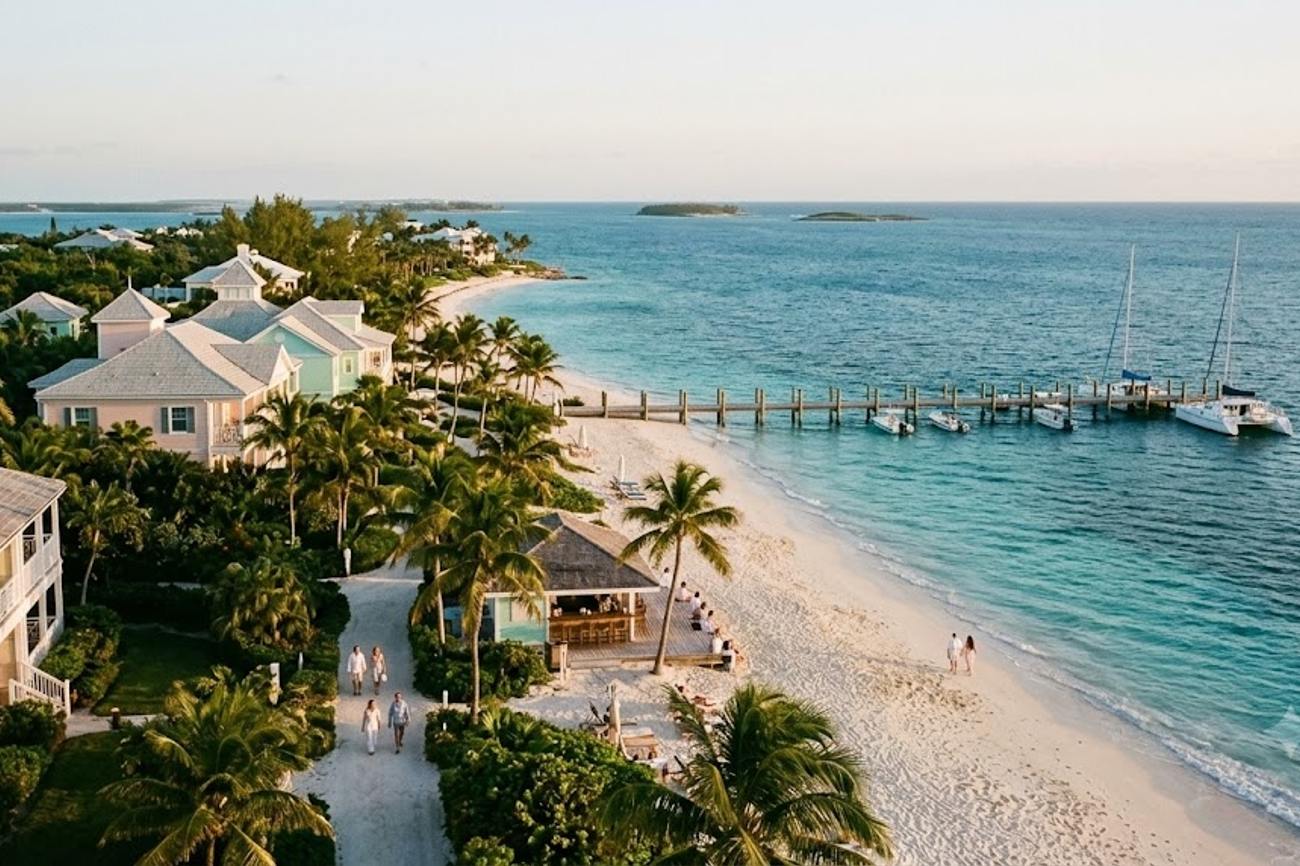
Image generated by AI
[Washington, D.C., October 2026] — U.S. travelers are increasingly targeting Caribbean destinations for shoulder-season getaways, prompting the U.S. Department of State to issue updated safety classifications for several key island nations. The surge in late-year tourism coincides with a shift in traveler behavior toward international destinations during non-peak windows, necessitating a closer look at regional security and environmental risks.
The latest advisories categorize the region into varying risk levels, ranging from "Exercise Normal Precautions" to "Exercise Increased Caution." While the "ABC Islands" and the Cayman Islands maintain the lowest risk profile, other major hubs including Jamaica, The Bahamas, and the Dominican Republic are now flagged for specific safety concerns ranging from violent crime to hazardous infrastructure.
State Department Risk Classifications
The U.S. government utilizes a tiered system to alert citizens of potential dangers abroad. The current breakdown for the Caribbean region is as follows:
- Level 1 (Exercise Normal Precautions):
- Aruba
- Bonaire
- Curaçao
- Cayman Islands (Advisory updated May 21)
- Level 2 (Exercise Increased Caution):
- The Bahamas
- Dominican Republic
- Jamaica
Notably, Puerto Rico and the U.S. Virgin Islands are exempt from this specific classification system. As U.S. territories, they operate under domestic jurisdiction, though international bodies such as the Canadian government maintain low-risk ratings for these destinations.
Regional Safety Triggers
The drivers behind the Level 2 designations vary significantly by destination, reflecting localized challenges rather than a region-wide trend.
The Bahamas The U.S. Department of State has flagged The Bahamas primarily due to crime rates. Security concerns are concentrated in Nassau and Freeport. Specifically, travelers are warned to remain vigilant in Nassau's "Over the Hill" district, located south of Shirley Street. There is an additional warning for those utilizing vacation rentals, particularly properties lacking professional private security.
Dominican Republic The Level 2 status here is driven by reports of violent crime. While the government has increased police patrols in tourist-heavy zones, the advisory warns against the conspicuous display of wealth. Travelers are further cautioned against meeting individuals encountered via online platforms in secluded areas.
Jamaica Safety risks in Jamaica are tied closely to infrastructure and transit. The advisory is severe enough that U.S. government employees are prohibited from using public buses or driving between cities after dark. Furthermore, official personnel require prior authorization to enter high-risk zones. For the general tourist, this underscores a critical need for vetted transportation and strategic timing when moving between regions.
The ABC Islands and Caymans Aruba, Bonaire, Curaçao, and the Cayman Islands remain at Level 1. These destinations are highlighted not only for their security profiles but for their geographic advantage; the ABC Islands sit outside the primary Atlantic hurricane belt, making them statistically safer bets for autumn travel.
Practical Traveler Advisory and Strategic Insights
For the average passenger booking a trip in late 2026, these advisories translate into specific operational changes.
Documentation and Entry Travelers heading to Puerto Rico or the U.S. Virgin Islands (St. Thomas, St. John, and St. Croix) do not require a passport for entry, as these are domestic flights. However, those visiting the ABC Islands, the Caymans, or the Level 2 nations must ensure their passports are valid and check current entry requirements via the U.S. Customs and Border Protection portal.
Financial and Personal Security In Level 2 zones—specifically the Dominican Republic and The Bahamas—the "low profile" approach is mandatory. This means avoiding luxury watches, expensive jewelry, and large sums of cash in public spaces. The shift toward vacation rentals over all-inclusive resorts increases the security burden on the traveler, as private security is no longer guaranteed.
Transit Planning In Jamaica, the "standard" way of getting around may be unsafe. Travelers should avoid public transit and night-time intercity travel. Booking pre-arranged, reputable shuttle services or private drivers is the recommended alternative to mitigate the risks identified by the State Department.
Weather and Seasonal Volatility
Beyond crime and political stability, the overarching risk for all Caribbean travel in the latter half of the year is the Atlantic hurricane season.
Travelers are urged to monitor the National Hurricane Center (NHC) for real-time tracking. Because weather events can lead to sudden airport closures or flight cancellations, the "Passenger Impact" here is financial. Travelers must verify that their travel insurance specifically covers "trip interruption" and "weather-related cancellation" for the Caribbean basin.
While the ABC Islands offer a natural buffer due to their location, the rest of the region remains highly exposed. The advice for late 2026 is to maintain flexible booking options—such as refundable airfare and hotel rates—to avoid total loss in the event of a major storm system.
FAQ: Caribbean Travel Safety 2026
Do I need a passport to visit the U.S. Virgin Islands? No. Because the U.S. Virgin Islands are a U.S. territory, American citizens can travel to St. Thomas, St. John, and St. Croix using domestic identification. However, you should still confirm specific airline requirements for boarding.
Which Caribbean islands are safest during hurricane season? Aruba, Bonaire, and Curaçao (the ABC Islands) are generally safer during the autumn shoulder season because they are located outside the main Atlantic hurricane belt.
What are the specific risks in Nassau, Bahamas? The primary concern is crime, particularly in the "Over the Hill" area south of Shirley Street. Travelers are also advised to be cautious in vacation rentals that lack private security.
Why is Jamaica listed as Level 2? The designation is largely due to road conditions and safety risks. The risks are significant enough that U.S. government staff are restricted from using public buses or driving between cities at night.
Stay vigilant, check the latest advisories, and book refundable rates.
Related Travel Guides
Disclaimer
This article is for informational and educational purposes only. It does not constitute legal, financial, or professional advice. While we strive to provide accurate and up-to-date information, travel policies, regulations, and conditions change rapidly. Always verify information with official sources before making travel decisions. Nomad Lawyer makes no representations about the accuracy, reliability, completeness, or suitability of the information provided. Readers should consult qualified professionals for advice specific to their circumstances. The views expressed in this article are those of the author and do not necessarily reflect the views of Nomad Lawyer.
Kunal K Choudhary
Co-Founder & Contributor
A passionate traveller and tech enthusiast. Kunal contributes to the vision and growth of Nomad Lawyer, bringing fresh perspectives and driving the community forward.
Learn more about our team →