
US Customs Issues Warning on B1/B2 Visa Misuse
US authorities issue a critical reminder on B1/B2 visa limitations. Learn the prohibited activities to avoid visa cancellation and entry denials.

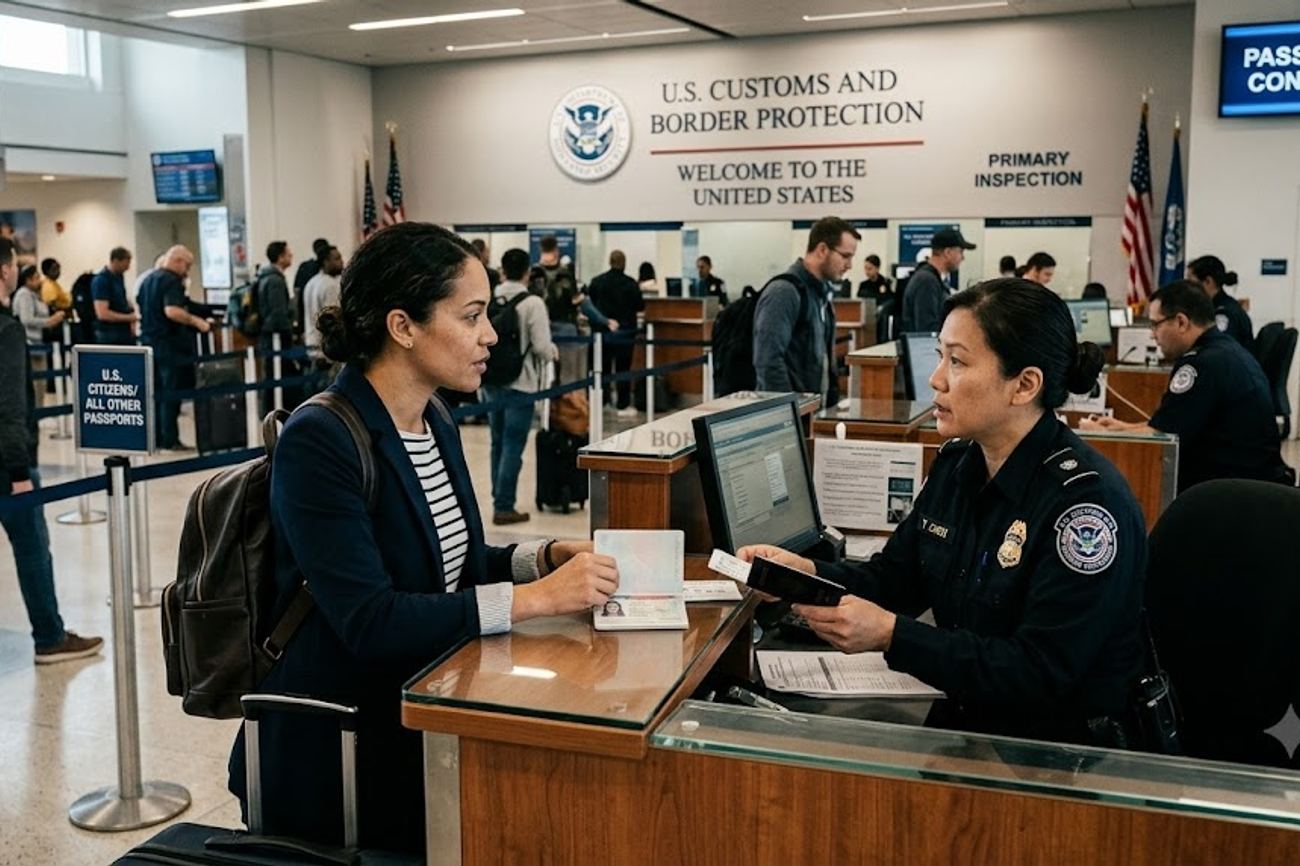
Image generated by AI
The United States government has intensified its focus on the strict enforcement of visitor visa conditions. In a recent update, authorities clarified that the B1/B2 visa category is frequently misunderstood by international travelers, leading to costly entry mistakes and long-term travel bans.
The B1/B2 visa serves as the primary entry document for millions of visitors targeting hubs such as New York, Los Angeles, Miami, Orlando, Chicago, and Washington DC. However, US Customs and Border Protection (CBP) and the Department of State are reminding travelers that a valid visa is not a general authorization to reside in the US, but a permission for specific, temporary activities.
Permitted vs. Prohibited Activities
The distinction between B1 (Business) and B2 (Pleasure) activities is precise. While often combined into a single visa, the legal permissions differ:
- B1 (Business): Limited to professional meetings, contract negotiations, consulting with business associates, and conference attendance.
- B2 (Pleasure): Limited to tourism, sightseeing, visiting relatives, social events, and receiving medical treatment.
The US government has explicitly banned the use of these visas for employment or academic purposes. Any individual receiving wages from a US employer or enrolling in a degree-granting program under a B1/B2 visa is in violation of federal immigration law.
Consequences of Non-Compliance
Immigration officers review a traveler's entire history upon entry. Misusing a visitor visa—such as attempting to work remotely for a US company or extending a stay beyond the approved period—creates a permanent record of non-compliance. This can result in:
- Immediate visa cancellation.
- Denial of entry at the Port of Entry (POE).
- Automatic flags on all future visa applications.
Transit Specification: B1/B2 vs. Specialized Visas
| Visa Category | Primary Purpose | Permitted Activities | Prohibited Activities |
|---|---|---|---|
| B1 | Temporary Business | Meetings, Contracts, Conferences | US-based employment, Salary |
| B2 | Tourism/Medical | Sightseeing, Family, Medical Care | Long-term residency, Study |
| F/M | Academic Study | Degree programs, Vocational training | Full-time unauthorized work |
| H/L/O | Employment | Professional work, Intra-company transfer | General tourism (as primary purpose) |
Traveler Logistics Guide
From a ground-level perspective, the best way to navigate US entry is to maintain a "Compliance Folder" (digital or physical) to present to CBP officers if questioned.
1. Documentation Strategy Do not rely solely on the visa stamp. Carry a printed itinerary and a return flight confirmation. If entering on a B1 visa, have an invitation letter from the US company or a conference registration confirmation ready.
2. Navigating the Port of Entry When questioned about the purpose of your visit, be concise. Avoid vague terms like "exploring opportunities," which can be interpreted as seeking unauthorized employment. Use specific terms: "attending a three-day professional conference" or "visiting family for two weeks."
3. Digital Transit Policies Ensure your passport is valid for at least six months beyond your intended stay. For those traveling from Visa Waiver Program (VWP) countries, ensure your ESTA is approved at least 72 hours before departure.
Infrastructure Impact Assessment
This enforcement surge suggests a shift toward stricter biometric and digital auditing of visitor patterns. While this does not restrict genuine tourism, it increases the pressure on international travelers to provide granular proof of their intent. Regional tourism hubs in Florida and California may see a higher rate of secondary inspections for travelers whose stated purpose of visit does not align with their professional background or travel history.
Related Travel Guides
Disclaimer
This article is for informational and educational purposes only. It does not constitute legal, financial, or professional advice. While we strive to provide accurate and up-to-date information, travel policies, regulations, and conditions change rapidly. Always verify information with official sources before making travel decisions. Nomad Lawyer makes no representations about the accuracy, reliability, completeness, or suitability of the information provided. Readers should consult qualified professionals for advice specific to their circumstances. The views expressed in this article are those of the author and do not necessarily reflect the views of Nomad Lawyer.
Naina Thakur
Contributor & Travel Specialist
Travel enthusiast and legal writer covering visa regulations, responsible tourism, and cultural journeys across global destinations.
Learn more about our team →