
Africa Safari Tourism Adaptation: Tanzania and Kenya Combat Extreme Heat
Tanzania, Kenya, and other African tourism leaders are redesigning safari schedules and infrastructure to combat extreme heat and climate volatility.

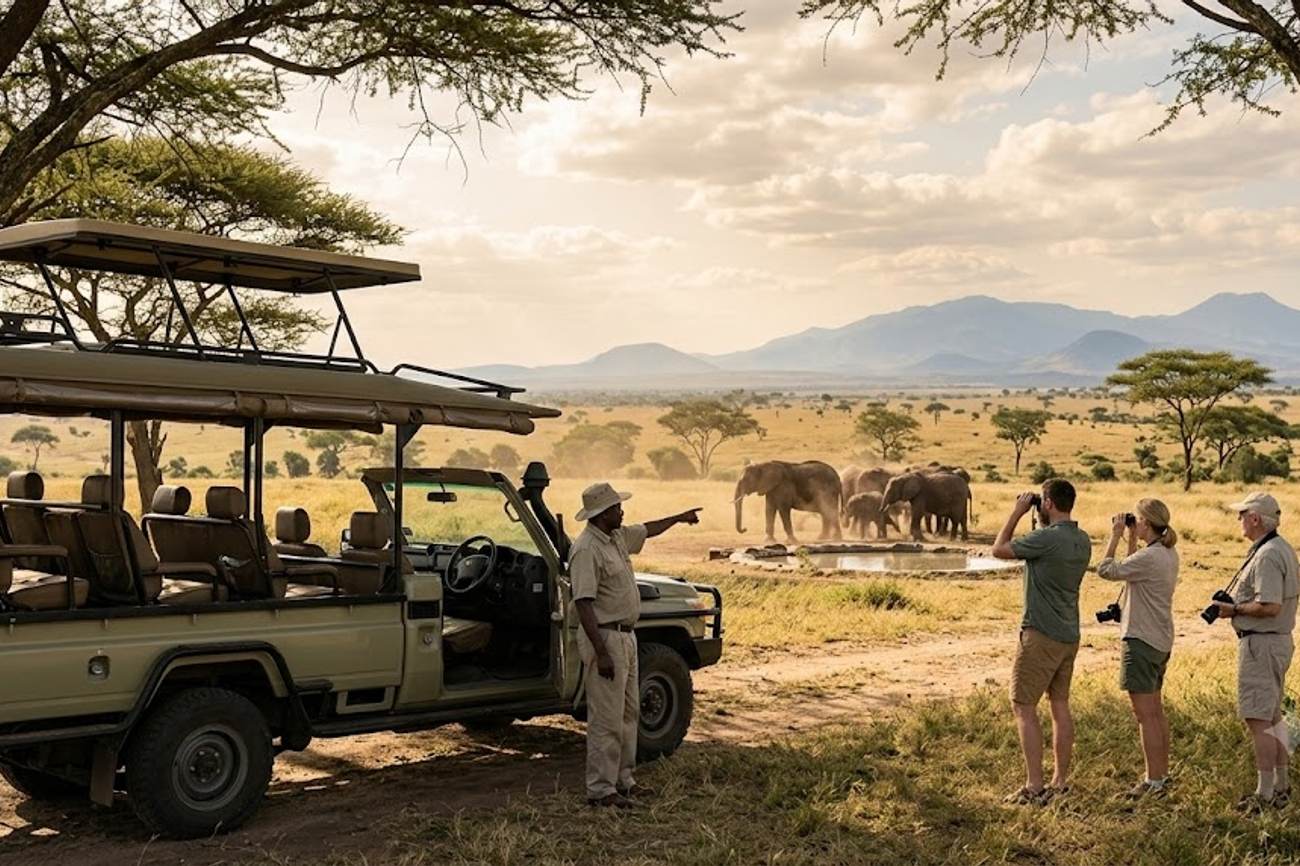
Image generated by AI
Extreme temperature spikes are forcing a systemic overhaul of the tourism sector across Africa. From the Serengeti to the Nile Valley, national tourism boards and private operators are abandoning legacy schedules in favor of climate-adaptive strategies to protect visitor safety and preserve fragile ecosystems.
Tanzania and Kenya, the continent's primary safari hubs, are currently leading this transition. Because wildlife tourism relies on predictable animal movement and stable outdoor conditions, rising heat has become a direct operational risk.
In Tanzania, operators in the Serengeti National Park, Ngorongoro Conservation Area, and the Mount Kilimanjaro region are shifting away from midday activities. The new operational standard prioritizes early morning game drives and late afternoon viewing to avoid peak thermal stress for both tourists and wildlife.
Kenya is mirroring this approach in the Maasai Mara National Reserve and Amboseli National Park. The focus has shifted toward "climate-smart" accommodation and the protection of wildlife corridors, as seasonal rainfall patterns—which dictate the Great Migration—become increasingly volatile.
Beyond East Africa, the shift is evident in heritage and desert tourism:
- Egypt: Tour operators in Luxor and Aswan are redesigning archaeological visits to center on sunrise and sunset, eliminating long afternoon exposures.
- Morocco: The Sahara and Marrakech markets are introducing evening-centric desert experiences and increasing indoor cultural offerings.
- South Africa: Focus has shifted toward wildfire mitigation and water security within national parks and private reserves.
- Botswana and Namibia: These dry-landscape destinations are prioritizing water conservation systems and sustainable lodge operations to survive increasing aridification.
Key Facts Breakdown
- Primary Affected Regions: Tanzania, Kenya, Egypt, Morocco, South Africa, Botswana, and Namibia.
- Tanzania's Operational Shifts: Implementation of shorter outdoor excursions, improved hydration systems, and shaded camp facilities.
- Kenya's Strategic Focus: Promotion of community conservancies and responsible tourism models to maintain ecosystem health.
- Infrastructure Upgrades: Widespread investment in solar power, energy-efficient cooling, and water conservation programs.
- Egypt's Tactical Change: Shift toward flexible sightseeing schedules and shorter site visits to avoid peak heat.
Why This Matters
From a logistical perspective, this is no longer about "seasonal adjustments" but a permanent shift in the African tourism product. For travelers, the real impact is a narrowed window of activity; the traditional "all-day" safari is becoming obsolete.
Our analysis of these trends indicates that the "midday gap" is now a structural part of the itinerary. This creates a secondary economic opportunity for lodges to monetize "slow tourism"—focusing on wellness, indoor cultural education, and luxury climate-controlled environments during peak heat hours.
Furthermore, the reliance on water in the Okavango Delta and Namibian deserts means that tourism viability is now directly tied to water engineering. If lodges cannot implement the "climate-resilient solutions" mentioned, we will likely see a consolidation of the market where only high-capital operators can afford to maintain viable guest experiences.
Industry Outlook
Expect a surge in "Climate-Certified" tourism labels across Africa. As heat becomes a primary deterrent, operators will compete on their ability to provide "thermal safety."
We anticipate the following developments:
- Dynamic Pricing: A shift in peak-season pricing to reflect the actual "thermal comfort" windows rather than traditional calendar months.
- Infrastructure Pivot: A transition from traditional tented camps to semi-permanent, thermally insulated structures.
- Regulated Access: Potential government-mandated "heat closures" for high-risk sites in Egypt and Morocco during summer peaks to prevent heatstroke casualties.
Internal Link Suggestions:
- Sustainable Safari Infrastructure Trends 2026
- Climate Impact on African Wildlife Migration Patterns
- The Rise of Slow Tourism in Emerging Markets
Related Travel Guides
Disclaimer
This article is for informational and educational purposes only. It does not constitute legal, financial, or professional advice. While we strive to provide accurate and up-to-date information, travel policies, regulations, and conditions change rapidly. Always verify information with official sources before making travel decisions. Nomad Lawyer makes no representations about the accuracy, reliability, completeness, or suitability of the information provided. Readers should consult qualified professionals for advice specific to their circumstances. The views expressed in this article are those of the author and do not necessarily reflect the views of Nomad Lawyer.
Raushan Kumar
Founder & Lead Developer
Full-stack developer with 11+ years of experience and a passionate traveller. Raushan built Nomad Lawyer from the ground up with a vision to create the best travel and law experience on the web.
Learn more about our team →