
United Airlines UA1790 Airbus A320 Diverts to Grand Junction Regional Airport on 3 August 2026
A United Airlines UA1790 Airbus A320 flight from Santa Barbara to Denver diverted to Grand Junction on 3 August 2026, highlighting the critical role of Colorado's regional aviation infrastructure.

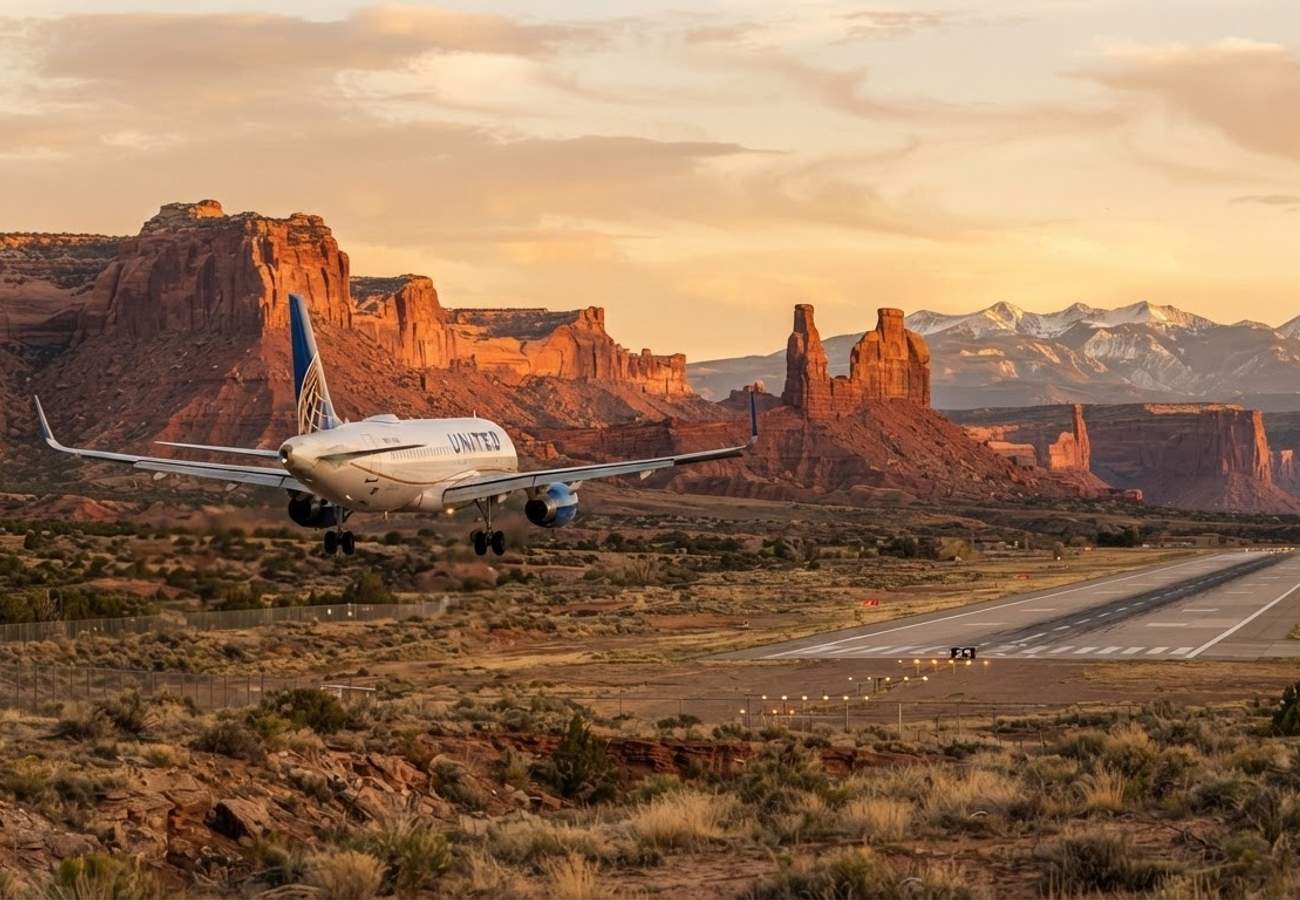
Image generated by AI
The unexpected diversion of United Airlines flight UA1790 on 3 August 2026 underscores the vital safety net provided by regional aviation hubs. While the Airbus A320 was bound for Denver from Santa Barbara, its detour to Grand Junction reveals the strategic importance of Colorado's secondary airports in maintaining travel resilience.
The Regional Shift in Aviation Safety
On 3 August 2026, United Airlines flight UA1790, operated by an Airbus A320, deviated from its planned trajectory between Santa Barbara and Denver. Instead of proceeding to the primary hub, the aircraft made a diversion to Grand Junction Regional Airport. While the specific catalyst for the diversion—whether technical, medical, or weather-related—remains unconfirmed by official authorities, the event serves as a real-world demonstration of the "fail-safe" nature of the U.S. aviation network.
For the modern traveler, this incident shifts the focus from the efficiency of major hubs like Denver International Airport to the necessity of regional infrastructure. Grand Junction is not merely a transit point for western Colorado but a critical operational backup capable of handling commercial aircraft of the A320's scale.
Cultural and Environmental Value of Western Colorado
The diversion of UA1790 inadvertently places a spotlight on the unique appeal of the Grand Junction region. For the visitor, the real impact of such a diversion is the sudden proximity to the Colorado National Monument and the rugged landscapes of the Western Slope.
Integrating regional airports into the broader tourism strategy allows Colorado to distribute visitor traffic more evenly, reducing the environmental strain on the Denver metropolitan area. By supporting these secondary gateways, the state encourages "slow travel" and direct economic support for smaller communities. This decentralized approach to tourism ensures that the economic benefits of aviation are felt beyond the primary city centers, fostering a more sustainable growth model for regional heritage sites.
Visitor Insider Tips for Western Colorado
If you find yourself diverted or choosing to visit the Grand Junction area, keep these local insights in mind:
- The Golden Hour Window: Visit the Colorado National Monument during the "golden hour" (just before sunset). The red rock monoliths provide a dramatic visual experience that is far superior to midday visits.
- Local Flavor: Skip the airport chains and head into town for authentic Palisade peaches—a regional specialty that is world-renowned, particularly during the late summer months.
- Cultural Etiquette: When exploring hiking trails in western Colorado, adhere strictly to "Leave No Trace" principles. Local conservation bodies are highly protective of the fragile high-desert ecosystem.
- Off-Peak Strategy: While August is peak season, visiting in late September allows you to witness the changing aspens without the summer crowds.
Tourism Outlook and Infrastructure Resilience
The long-term impact of maintaining robust regional airports like Grand Junction is an increase in overall tourism resilience. As air travel continues to grow in 2026, the ability to divert flights without causing systemic collapse across the national network is paramount.
The coordination between United Airlines, air traffic services, and the Grand Junction ground teams demonstrates a high level of operational maturity. For the traveler, this means that while schedules may fluctuate, the safety protocols are designed to prioritize human life and aircraft integrity over punctuality. The continued investment in these regional hubs ensures that western Colorado remains accessible and that the transition from coastal California to the Rocky Mountains remains secure.
A reminder that in the world of aviation, the most important destination is always a safe landing.
Related Travel Guides
Disclaimer
This article is for informational and educational purposes only. It does not constitute legal, financial, or professional advice. While we strive to provide accurate and up-to-date information, travel policies, regulations, and conditions change rapidly. Always verify information with official sources before making travel decisions. Nomad Lawyer makes no representations about the accuracy, reliability, completeness, or suitability of the information provided. Readers should consult qualified professionals for advice specific to their circumstances. The views expressed in this article are those of the author and do not necessarily reflect the views of Nomad Lawyer.
Kunal K Choudhary
Co-Founder & Contributor
A passionate traveller and tech enthusiast. Kunal contributes to the vision and growth of Nomad Lawyer, bringing fresh perspectives and driving the community forward.
Learn more about our team →