
All Nippon Airways Commits to Long-Term A380 Operations, Banking on World's Newest Superjumbo Fleet
Breaking airline news and aviation industry updates for 2026.

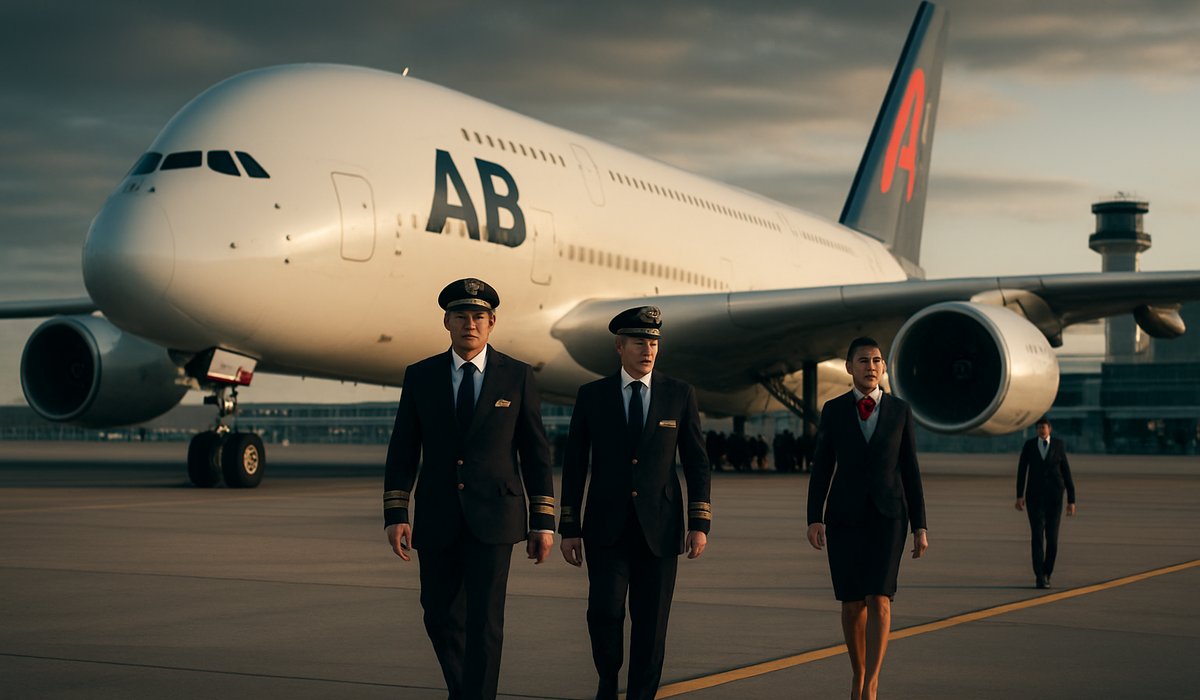
Image generated by AI
All Nippon Airways Commits to Long-Term A380 Operations, Banking on World's Newest Superjumbo Fleet
Japanese carrier signals confidence in double-deck aircraft despite industry-wide fleet modernization trends
ANA Doubles Down on Airbus A380 Future
All Nippon Airways (ANA), Japan's largest international carrier, has firmly rejected speculation about early retirement of its Airbus A380 fleet, signaling instead a long-term operational commitment to the world's largest passenger aircraft. The declaration comes as the airline maintains the aviation industry's youngest superjumbo fleet, positioning itself uniquely among A380 operators globally.
ANA President and Chief Executive Juichi Hirasawa addressed the matter directly, emphasizing the aircraft's substantial remaining service life and the economic rationale behind extended operations. The carrier views its relatively modern A380 inventory as a strategic asset for high-capacity, long-haul routes rather than a liability awaiting retirement.
Youngest Fleet in the World
The distinction of operating the world's newest A380 fleet provides ANA with a significant competitive advantage. While other international carriers have begun phasing out their superjumbos—citing operational complexity, elevated maintenance costs, and shifting demand patterns—ANA's aircraft represent some of the most recently manufactured examples still in active service.
This age advantage translates directly into lower mechanical reserve requirements, reduced component replacements, and improved fuel efficiency compared to earlier A380 generations. For a carrier managing long-distance intercontinental routes to Europe and North America, the aircraft's substantial 575-seat capacity in ANA's high-density configuration remains operationally viable for premium leisure and business travel markets.
Strategic Positioning Amid Industry Headwinds
The aviation industry has witnessed considerable volatility affecting superjumbo operations. Rising jet fuel prices, labor cost pressures, and pandemic-induced capacity adjustments forced several carriers to accelerate retirement timelines for aging widebody fleets. However, ANA's commitment reflects confidence in sustained demand for premium long-haul capacity, particularly on routes serving Japan's affluent business and tourism markets.
The carrier's decision also demonstrates flexibility in fleet management strategies. While aircraft utilization rates and passenger demand remain critical metrics, ANA's assessment suggests that A380 operations continue generating positive economic returns on their existing fleet.
Looking Ahead
ANA's stance contrasts sharply with other global operators who have divested A380 assets in recent years. The Japanese carrier's confidence in the aircraft's future underscores the importance of fleet age and maintenance condition in determining operational longevity—factors that may ultimately prove more decisive than the aircraft type itself in coming years.
Frequently Asked Questions
Q: Why are some airlines retiring A380s while ANA keeps theirs? A: ANA operates the world's youngest A380 fleet with lower maintenance costs and better fuel efficiency. Older aircraft operated by other carriers face higher operational expenses, making retirement economically attractive.
Q: How many A380s does All Nippon Airways operate? A: ANA operates a small, focused fleet of A380 superjumbos on premium long-haul international routes, prioritizing quality over quantity.
Q: What factors influence airline baggage charges and fees? A: Jet fuel prices, aircraft maintenance costs, and labor expenses directly impact airlines' pricing structures. Newer aircraft like ANA's A380s operate more efficiently, potentially allowing for more competitive fee structures.
Q: Will more airlines adopt the A380 in the future? A: Production ended in 2021, so fleet growth is unlikely. Future A380 operators will source aircraft from the secondary market, making fleet age a critical purchasing consideration.
Q: How does aircraft age affect travel costs? A: Newer aircraft require less maintenance and consume less fuel, reducing per-seat operating costs. This efficiency can translate to competitive airline fares and lower ancillary fees for passengers.
Related Travel Guides
External Resources
Disclaimer
This article is for informational and educational purposes only. It does not constitute legal, financial, or professional advice. While we strive to provide accurate and up-to-date information, travel policies, regulations, and conditions change rapidly. Always verify information with official sources before making travel decisions. Nomad Lawyer makes no representations about the accuracy, reliability, completeness, or suitability of the information provided. Readers should consult qualified professionals for advice specific to their circumstances. The views expressed in this article are those of the author and do not necessarily reflect the views of Nomad Lawyer.
Raushan Kumar
Founder & Lead Developer
Full-stack developer with 11+ years of experience and a passionate traveller. Raushan built Nomad Lawyer from the ground up with a vision to create the best travel and law experience on the web.
Learn more about our team →