
United Airlines Flight UA486 Boeing 737-800 Diverts to Salt Lake City from Cleveland to Denver Route 2026
United Airlines Flight UA486, a Boeing 737-800 traveling from Cleveland to Denver, was diverted to Salt Lake City International Airport on August 3, 2026, disrupting travel between two major US hubs.

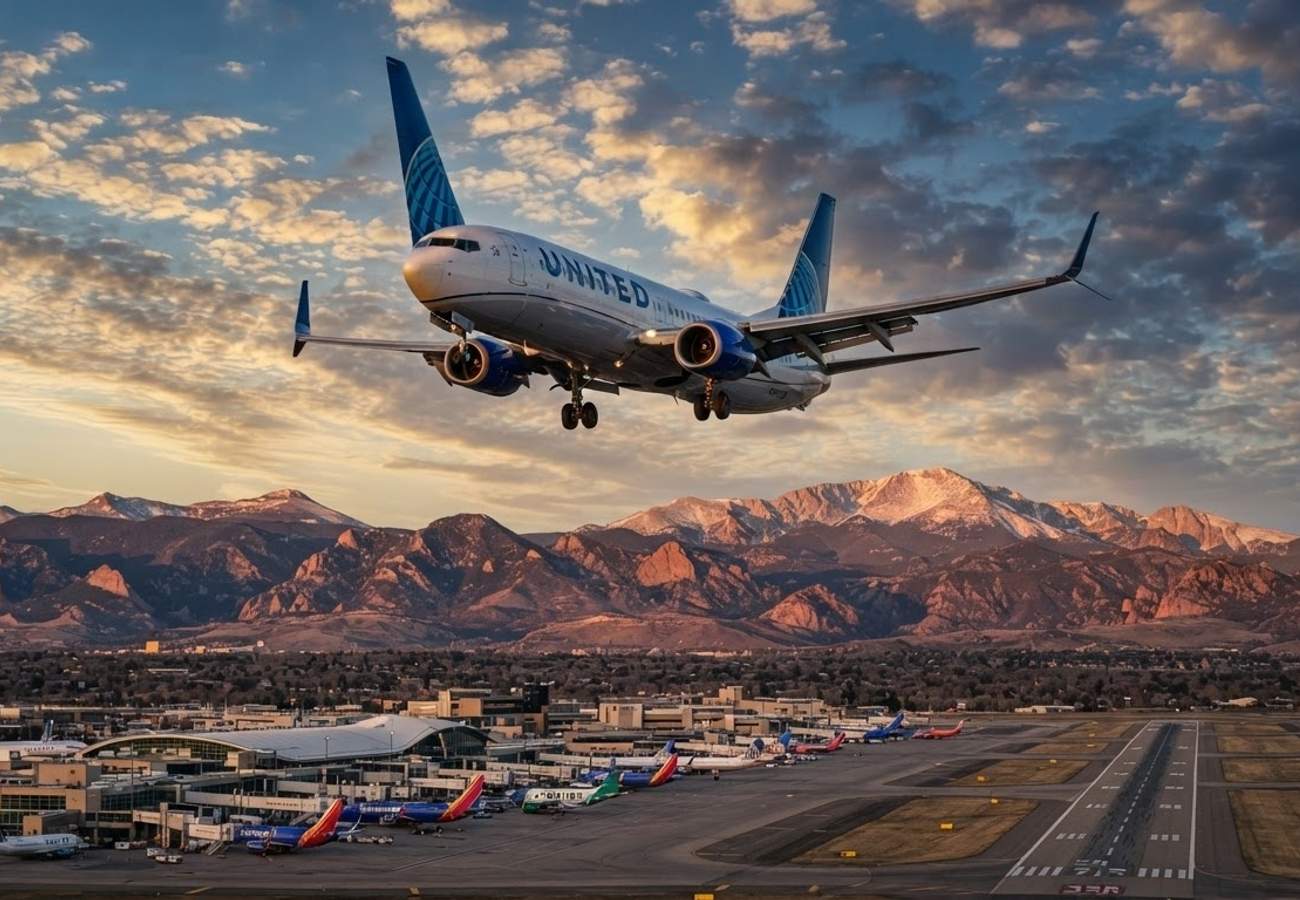
Image generated by AI
On August 3, 2026, United Airlines Flight UA486 was forced to deviate from its flight path, landing at Salt Lake City International Airport instead of its scheduled destination in Denver.
United Airlines Flight UA486 Operational Diversion
United Airlines Flight UA486, operated by a Boeing 737-800 (registration N76526), encountered an unspecified operational incident while transiting from Ohio to Colorado. The flight, connecting Cleveland Hopkins International Airport with Denver International Airport, departed Cleveland at 4:44 PM, slightly behind its scheduled departure of 4:38 PM.
While the aircraft was expected to touch down in Denver at 6:03 PM, flight crews opted to divert to Salt Lake City International Airport in Utah. Although United Airlines has not publicly disclosed the specific catalyst for the diversion, standard aviation protocols dictate that such maneuvers occur due to technical assessments, medical emergencies, air traffic restrictions, or volatile weather patterns.
Flight Path and Aircraft Specifications
The diversion impacted a critical corridor between the eastern and western United States. Denver International Airport serves as a primary gateway for passengers accessing the Rocky Mountain National Park and various Colorado ski resorts.
| Parameter | Flight Detail |
|---|---|
| Flight Number | UA486 |
| Aircraft Model | Boeing 737-800 |
| Registration | N76526 |
| Origin | Cleveland Hopkins International Airport (CLE) |
| Scheduled Destination | Denver International Airport (DEN) |
| Diversion Airport | Salt Lake City International Airport (SLC) |
| Departure Time (Actual) | 4:44 PM, August 3, 2026 |
| Scheduled Arrival | 6:03 PM, August 3, 2026 |
Traveler Logistics Guide: Managing Diversions and Connections
From a ground-level perspective, the best way to navigate an unplanned diversion is to immediately shift focus from the original destination to the diversion hub's resources. When a flight is redirected to a facility like Salt Lake City International Airport, passengers are effectively displaced from their planned ground transportation and hotel logistics in the destination city.
Navigating the Diversion Process:
- Digital Updates: Avoid relying solely on gate agents, who are often overwhelmed during diversions. Use the airline's mobile app to track the aircraft's status and check for re-accommodation options.
- Ground Transport Coordination: If you have pre-booked rentals or shuttles in Denver, notify the providers immediately upon landing in Salt Lake City to avoid "no-show" charges.
- Customs and Transit Policies: For domestic diversions, the primary hurdle is the "re-route" leg. Ensure your carry-on essentials (medications and chargers) are accessible, as diverted passengers may face extended tarmac wait times or unexpected overnight stays.
- Connecting Flight Buffer: If you have a connecting flight from Denver, a diversion usually triggers a "missed connection" status. Request a "Rule 240" equivalent or the airline's current disrupted travel policy to secure the next available seat on a partner carrier.
Infrastructure Impact Assessment
The diversion of UA486 underscores the systemic reliance on "secondary" hubs to maintain the stability of the US national airspace. Salt Lake City International Airport acts as a critical pressure-release valve for the western US, providing the operational capacity to absorb diverted traffic when primary hubs like Denver experience disruptions.
For the tourism sector in Colorado, such diversions create a ripple effect. Because Denver is a central node for mountain-region travel, a single diverted flight can disrupt hotel occupancy rates and pre-arranged adventure tours. Conversely, the ability of Salt Lake City to seamlessly handle the Boeing 737-800 demonstrates the strength of regional aviation infrastructure in mitigating total travel collapse during operational failures.
The Cleveland-Denver route remains a vital economic link. This incident highlights the necessity for travelers to maintain flexibility in their itineraries, particularly during peak summer travel windows when airport congestion is at its highest.
Aviation safety protocols prioritize a controlled diversion over an uncertain arrival.
Related Travel Guides
Disclaimer
This article is for informational and educational purposes only. It does not constitute legal, financial, or professional advice. While we strive to provide accurate and up-to-date information, travel policies, regulations, and conditions change rapidly. Always verify information with official sources before making travel decisions. Nomad Lawyer makes no representations about the accuracy, reliability, completeness, or suitability of the information provided. Readers should consult qualified professionals for advice specific to their circumstances. The views expressed in this article are those of the author and do not necessarily reflect the views of Nomad Lawyer.
Preeti Gunjan
Contributor & Community Manager
A passionate traveller and community builder. Preeti helps grow the Nomad Lawyer community, fostering engagement and bringing the reader experience to life.
Learn more about our team →