
Unexpected Weather Disruption Sends US Gulf Coast Visitors Into a New Travel Reality
Unexpected Weather Disruption Sends US Gulf Coast Visitors Into a New Travel Reality

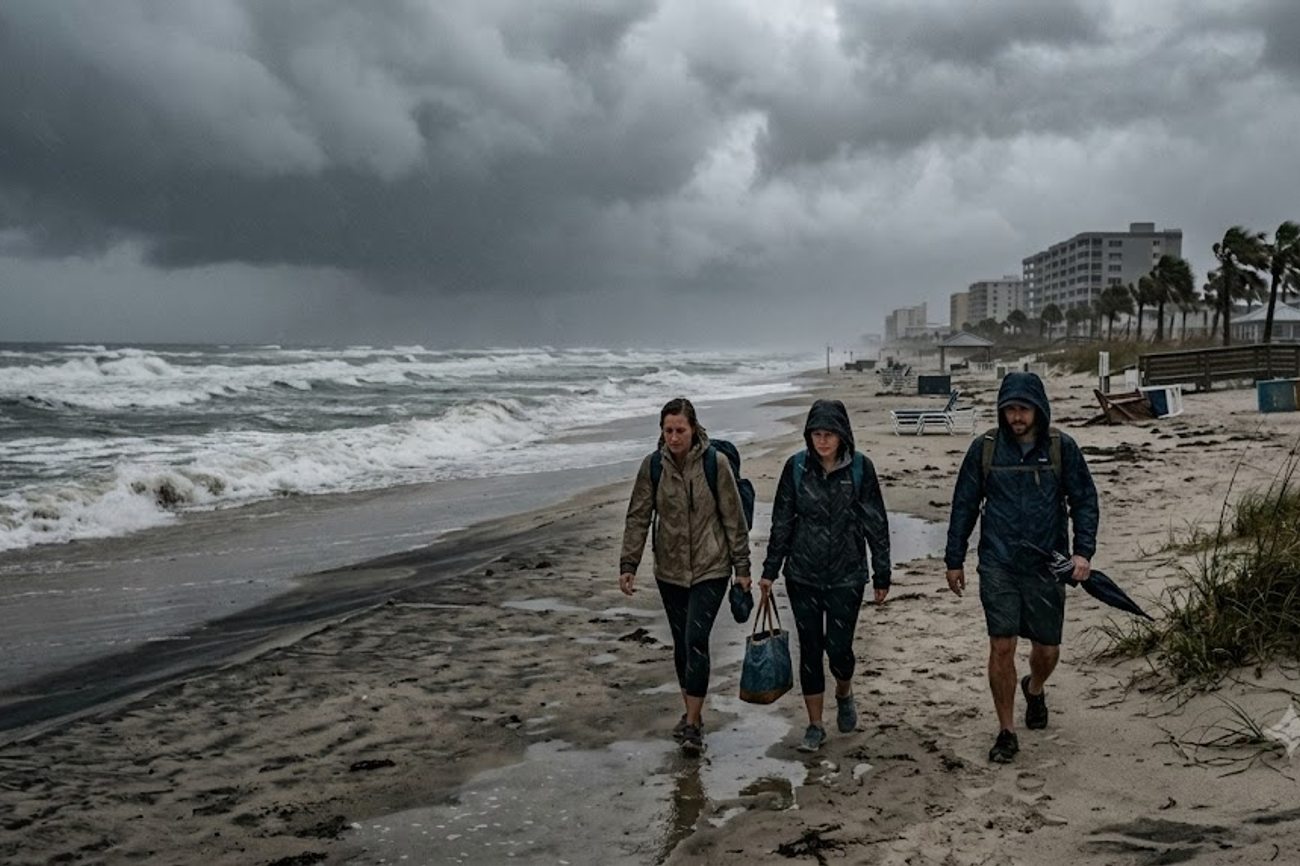
Image generated by AI
[Atlantic Basin, September 21, 2026] — The 2026 Atlantic hurricane season has produced a statistical anomaly, with six named storms forming but none reaching official hurricane strength. While the absence of major hurricanes suggests a quiet year, the actual impact on the travel sector has been significant, proving that low-intensity tropical storms can cause substantial disruption to aviation, road infrastructure, and coastal tourism.
The season has seen the development of Tropical Storms Arthur, Bertha, Cristobal, Dolly, Edouard, and Fay. While the basin's overall energy levels remain well below historical averages, the cumulative effect of these systems has created a pattern of "hidden" disruptions. From flight delays at major U.S. hubs to the closure of critical road infrastructure in Texas, the 2026 season demonstrates that wind speed is not the only metric for travel risk; precipitation and sea conditions are equally volatile factors for global nomads and tourists.
The Catalyst: Tropical Storm Fay
The most recent development is Tropical Storm Fay, which formed on September 19 in the northern Atlantic, southwest of the Azores. Fay peaked with winds of approximately 69 mph, narrowly missing the 74 mph threshold required to be classified as a hurricane. While the system remained hundreds of miles from the Azores and did not trigger official coastal watches or warnings, its presence has heightened vigilance for transatlantic travelers.
Meteorologists expect Fay to dissipate as it encounters cooler waters, dry air, and high-altitude wind shear. While there are currently no reports of hotel evacuations or airport closures in the Azores, the storm serves as a reminder of the volatility of the North Atlantic. Travelers utilizing ferry services or booking maritime excursions—such as whale watching and coastal trekking—must monitor real-time updates from the World Meteorological Organization (WMO) to avoid being stranded by rough seas.
Market and Route Impact Analysis
The 2026 season has targeted specific corridors, primarily the Gulf Coast of the United States and the North Atlantic shipping lanes. The following table outlines the specific disruptions caused by the named storms to date:
| Storm | Peak Intensity | Primary Location | Verified Travel Disruption | Tourism Impact |
|---|---|---|---|---|
| Arthur | 46 mph | Texas/Gulf Coast | Road closures; dangerous rip currents | Reduced day-visitor traffic to Gulf beaches |
| Bertha | 58 mph | Louisiana/New Orleans | Flight delays at MSY airport | Disrupted conference and event schedules |
| Cristobal | Low | Open Atlantic | Minimal land impact | Increased planning volatility for cruise lines |
| Dolly | Low | Central Atlantic | Minimal land impact | Route monitoring for Caribbean resorts |
| Edouard | High (TS) | TX-LA Border | Houston hub delays; bridge closure | Missed hotel check-ins; diverted road trips |
| Fay | 69 mph | North Atlantic | No confirmed closures | Heightened risk for Azores maritime tours |
Practical Traveler Advisory and Strategic Insights
For the modern traveler, the 2026 season redefines "storm risk." The prevailing corporate narrative often focuses on "Hurricane Landfalls," but the passenger reality is defined by "Tropical Storm Effects."
Aviation Impact: Passengers using major connecting hubs, particularly in the southern United States, should anticipate "ground stops" and cascading delays. As seen with Tropical Storm Edouard in Houston, a storm does not need to be a Category 1 hurricane to freeze airport operations. Travelers should maintain flexible bookings and utilize the Federal Aviation Administration (FAA) flight data portals to track airspace restrictions.
Ground Transportation: The risk of flash flooding is now a primary concern for self-drive tourists. The closure of a bridge in Orange County, Texas, during Edouard's passage highlights how a single infrastructure failure can derail an entire itinerary. Travelers moving between Texas, Louisiana, Mississippi, and Alabama should avoid low-lying roads during tropical storm warnings, regardless of wind speeds.
Coastal and Maritime Activities: The "Arthur effect" proves that beach safety is compromised long before a storm hits. Rip currents and beach erosion can make coastal resorts unusable even if the hotels remain open. Those booking excursions in the Azores or the Gulf Coast must realize that maritime operators will cancel trips based on sea state, not just wind speed.
The Road to October: Forecast and Outlook
As the season enters its final peak window, the trend of "weak but disruptive" systems is expected to continue. While the probability of a major hurricane landfall remains lower than average, the frequency of tropical depressions and storms suggests that the travel industry cannot return to a "business as usual" posture.
The unexpected weather disruption along the US Gulf Coast has prompted officials to issue travel alerts, with the Federal Aviation Administration (FAA) providing updates on flight cancellations and delays. As a result, visitors are advised to check with their airlines for the latest information on flight schedules and travel requirements. The FAA website offers a wealth of information on airport conditions, flight status, and travel advisories to help passengers navigate the situation.
Cruise operators and island resorts in the Caribbean are currently in a state of high-alert monitoring. Even storms like Cristobal and Dolly, which stayed over open water, forced a reallocation of resources and route adjustments for cruise lines to avoid choppy seas. The focus for the remainder of the season will be on "moisture-heavy" systems that bring flooding rather than wind damage.
Travelers are advised to purchase comprehensive travel insurance that covers "weather-related disruptions" specifically, as some basic policies only trigger payouts for named hurricanes, potentially leaving those affected by tropical storms without recourse.
FAQ: Atlantic Travel Risks 2026
Do I need to cancel my trip if a Tropical Storm (not a hurricane) is forecasted? Not necessarily, but you should expect delays. Tropical storms often cause flight rescheduling and road closures due to flooding. Check with your airline and hotel regarding their specific "weather event" flexibility policies.
Which U.S. hubs have been most affected this season? Houston has seen significant disruption due to Tropical Storm Edouard, and New Orleans experienced flight delays during Tropical Storm Bertha. These hubs are currently high-risk for weather-related delays.
Are the Azores safe for travel during Tropical Storm Fay? Yes, as Fay remained hundreds of miles offshore. However, maritime activities like whale watching are subject to sudden cancellation based on Atlantic sea conditions. Always check local ferry schedules.
Why are flights being delayed if there are no hurricanes? Aviation safety depends on visibility and wind shear. Tropical storms bring heavy rain and unpredictable gusts that trigger ground stops and diversions, even if the storm never reaches hurricane strength.
The 2026 season proves that in the world of global travel, a storm's category matters far less than its coordinates.
Related Travel Guides
- Coastal Andhra Pradesh, Rayalaseema, Odisha and More Indian Regions with Regional Rainfall Alerts: Check Your Travel Plan
- US Coast Guard Heightens Travel Arctic Surveillance as Chinese Research Vessels Operate Off Alaska
- Bahamas Aligns Jamaica and Dominican Republic Carry Level 2 Advisories Concerning Caribbean Travel Alert 2026
Disclaimer
This article is for informational and educational purposes only. It does not constitute legal, financial, or professional advice. While we strive to provide accurate and up-to-date information, travel policies, regulations, and conditions change rapidly. Always verify information with official sources before making travel decisions. Nomad Lawyer makes no representations about the accuracy, reliability, completeness, or suitability of the information provided. Readers should consult qualified professionals for advice specific to their circumstances. The views expressed in this article are those of the author and do not necessarily reflect the views of Nomad Lawyer.
Kunal K Choudhary
Co-Founder & Contributor
A passionate traveller and tech enthusiast. Kunal contributes to the vision and growth of Nomad Lawyer, bringing fresh perspectives and driving the community forward.
Learn more about our team →