
UNESCO World Heritage List 2026 Expansion: Japan, France, and Greece Lead New Global Tourism Shift
The 2026 UNESCO World Heritage List expansion introduces new cultural and natural sites in Japan, France, and Greece, reshaping international travel patterns toward heritage-driven tourism.

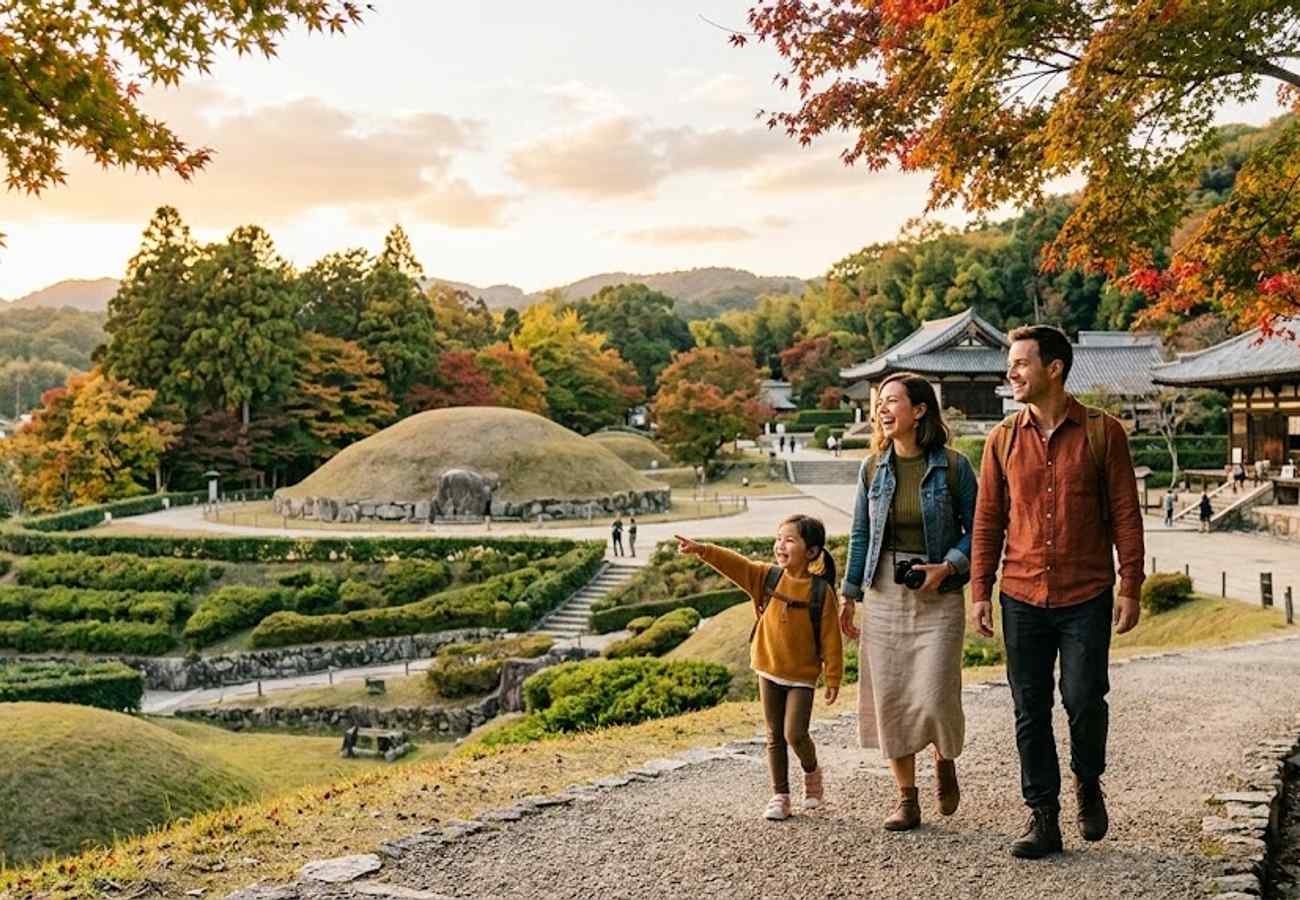
Image generated by AI
The 2026 expansion of the UNESCO World Heritage List is fundamentally altering global travel trajectories. By designating new sites across Japan, France, Greece, and beyond, UNESCO is redirecting tourist flow from traditional hubs toward high-value historical and ecological landmarks.
The recent decisions by the UNESCO World Heritage Committee, finalized during its 48th session in Busan, South Korea (July 19–29, 2026), signal a strategic pivot in how the world defines "exceptional value." The new inscriptions move beyond static monuments to embrace living landscapes, biodiversity hotspots, and sites of profound geopolitical memory.
For the travel industry, this shift creates a "heritage effect," where official recognition triggers an immediate surge in international visibility and a subsequent demand for specialized, meaningful travel experiences.
Strategic Diversification of Global Heritage Sites
The 2026 additions reflect a modernized approach to preservation. The committee is increasingly prioritizing sites that tell the story of human resilience, ecological interdependence, and the evolution of early civilizations.
This expansion serves two primary purposes:
- Educational Conservation: Using heritage status to secure funding and protection for endangered ecosystems and ruins.
- Tourism Decentralization: Encouraging visitors to explore regions outside the "over-tourism" zones of major metropolitan centers.
While the increase in visibility is a boon for local economies, industry experts warn that the transition from "hidden gem" to "world-renowned site" requires rigorous management to prevent environmental degradation and overcrowding.
New Global Designations and Tourism Impact
The following table details the specific sites added to the World Heritage List in 2026, categorized by their primary significance and expected impact on regional travel.
| Country | New UNESCO World Heritage Site (2026) | Category | Location | Key Importance | Tourism Significance |
|---|---|---|---|---|---|
| France | Normandy D-Day Landing Beaches | Cultural | Normandy, France | Historic role in Allied landings of 6 June 1944 (WWII). Includes Utah, Omaha, Gold, Juno, Sword beaches, and Pointe du Hoc. | Strengthens historical and battlefield heritage travel in Normandy. |
| Greece | Mount Olympus | Mixed | Central Greece | Mythological home of Greek gods; high biodiversity and ecological value. | Boosts mountain, cultural, and nature-based tourism. |
| Japan | Ancient Capitals of Asuka and Fujiwara | Cultural | Nara Prefecture, Japan | Early political and cultural development of Japan's formative imperial period. | Establishes a major historical draw in the Kansai region. |
| South Sudan | Boma-Badingilo Migratory Landscape | Natural | Eastern South Sudan | Critical wildlife migration ecosystem and biodiversity hub. | Potential for high-end conservation and wildlife tourism. |
| United States | Okefenokee National Wildlife Refuge | Natural | Georgia and Florida, USA | Subtropical peatland ecosystem with deep Indigenous cultural links. | First UNESCO site for Georgia; major eco-tourism catalyst. |
| Finland | The Aalto Works | Cultural | Finland | Modernist architectural works by Alvar Aalto. | Enhances Finland's profile for design and architecture tourism. |
| Iran | Alamut Castle and Related Fortifications | Cultural | Alborz Mountains, Iran | Medieval mountain forts with significant political/military history. | Increases archaeological and historical tourism interest. |
| Brazil | Amazonia Theaters | Cultural | Brazil | Historic theatre architecture in the Amazon region. | Drives cultural tourism into northern Brazil. |
| India | Ancient Buddhist Site of Sarnath | Cultural | Uttar Pradesh, India | Site where Buddha delivered his first sermon post-enlightenment. | Strengthens the Buddhist pilgrimage and heritage circuit. |
| Poland | Historic Centre of Gdynia | Cultural | Gdynia, Poland | Unique interwar modernist urban development. | Adds a modern architectural anchor to Poland's portfolio. |
| Tunisia | Sidi Bou Said | Cultural | Tunis, Tunisia | Mediterranean village known for distinct architecture and urban character. | Attracts a higher volume of cultural travelers. |
| Jordan | Aqaba Marine Reserve | Natural | Aqaba, Jordan | High-biodiversity marine ecosystem and coral reefs. | Supports sustainable diving and marine tourism. |
| Mongolia | Xiongnu Nobility Cemeteries | Cultural | Mongolia | Evidence of Xiongnu civilization and ancient steppe culture. | Expands archaeological tourism opportunities. |
| Lebanon | Mount Amel Castles | Cultural | Southern Lebanon | Medieval castles of high architectural importance. | Increases the heritage value of Southern Lebanon. |
| Palestine | Sebastia Archaeological Site | Cultural | West Bank | Multi-period ancient archaeological landscape. | Highlights the region's archaeological potential. |
Japan’s Ascent in Cultural Tourism
Japan's inclusion of the Ancient Capitals of Asuka and Fujiwara is a pivotal development for the Nara Prefecture. These sites represent the transition of Japan into a centralized state between the late 6th and early 8th centuries.
By recognizing the palace remains, burial mounds, and early temples of this era, UNESCO has provided a roadmap for travelers to explore the origins of Japanese governance and Buddhism. This designation is expected to alleviate pressure on Kyoto and Tokyo by drawing high-intent cultural tourists deeper into the Kansai region.
This move aligns with broader data indicating Japan's growing influence in the sector; recent research ranks Japan as the 9th most culturally significant heritage destination globally.
Key Takeaways for Travelers and Operators
- New Route Opportunities: The 2026 list creates immediate opportunities for tour operators to build "UNESCO Circuits," particularly in regions like Normandy, Nara, and the Amazon.
- Shift to "Slow Travel": The inclusion of landscapes (South Sudan) and architectural works (Finland) suggests a trend toward slower, more immersive travel.
- Eco-Tourism Growth: New natural sites in the US and Jordan will likely see a spike in sustainable and adventure-based tourism.
- Pilgrimage Strengthening: The Sarnath designation reinforces India's position as a primary hub for spiritual and Buddhist heritage travel.
The 2026 UNESCO updates prove that the map of global tourism is no longer defined by cities, but by the stories we choose to preserve.
Related Travel Guides
Disclaimer
This article is for informational and educational purposes only. It does not constitute legal, financial, or professional advice. While we strive to provide accurate and up-to-date information, travel policies, regulations, and conditions change rapidly. Always verify information with official sources before making travel decisions. Nomad Lawyer makes no representations about the accuracy, reliability, completeness, or suitability of the information provided. Readers should consult qualified professionals for advice specific to their circumstances. The views expressed in this article are those of the author and do not necessarily reflect the views of Nomad Lawyer.
Preeti Gunjan
Contributor & Community Manager
A passionate traveller and community builder. Preeti helps grow the Nomad Lawyer community, fostering engagement and bringing the reader experience to life.
Learn more about our team →