
Inside the Monastic Life of Bhutan: Daily Routines and Educational Paths of Buddhist Monks in 2026
Explore the disciplined daily schedule, linguistic studies, and spiritual obligations of Bhutanese monks within the kingdom's historic dzongs and monasteries.

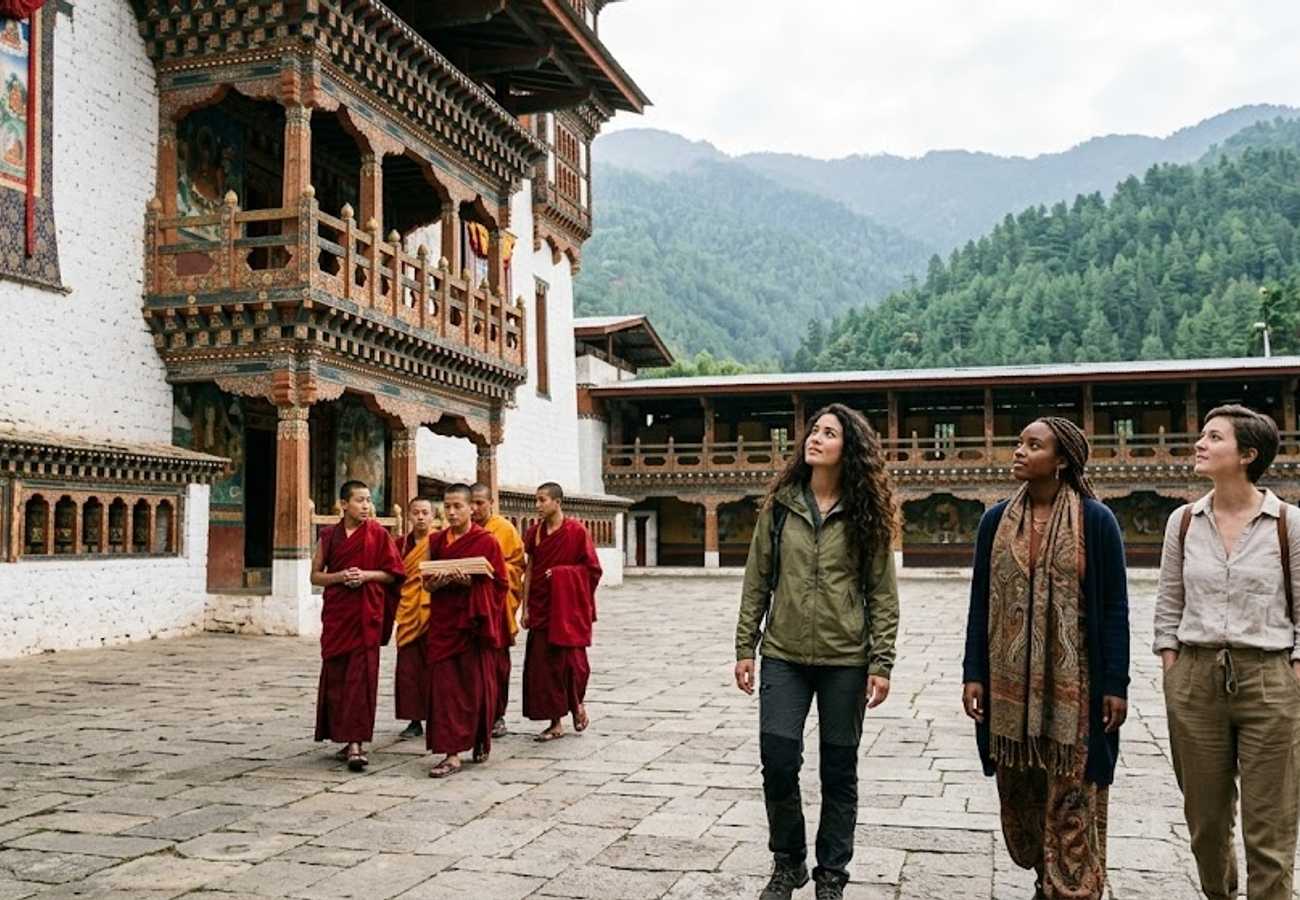
Image generated by AI
The spiritual architecture of Bhutan is maintained not just by its stone dzongs, but by the disciplined daily rhythms of its monk body. For those visiting the Land of the Thunder Dragon, understanding the monastic schedule reveals the intersection of ancient tradition and modern education.
The monastic community in Bhutan serves as a cornerstone of national social harmony and spiritual stability. Many monks enter this life from modest backgrounds, viewing the monastery as a prestigious opportunity for free education and a path toward nirvana. This transition typically begins in early childhood, with boys joining monasteries around the age of 5.
Under the mentorship of senior religious figures, these young practitioners balance a rigorous academic load with meditative practices. Their role extends beyond the monastery walls, as the Monk Body is formally recognized for its contribution to the general happiness and societal cohesion of the Bhutanese people.
The Academic and Spiritual Curriculum
Education for a Bhutanese monk is multilingual and multidisciplinary. The curriculum is designed to preserve sacred texts while providing practical tools for communication in a globalized world.
Young novices, typically between the ages of 5 and 9, focus on three primary languages:
- Chhokey: The sacred language of Tibetan Buddhism, used primarily for liturgical and scholarly purposes.
- Dzongkha: The national language of Bhutan.
- English: Essential for modern administration and international interaction.
Beyond linguistics, the training includes the mastery of traditional musical instruments, the performance of complex religious rituals, and the artisanal skill of creating ritual cakes.
A Detailed Breakdown of the Monastic Daily Schedule
The life of a monk is governed by a strict temporal structure, ensuring that every hour is dedicated to either spiritual growth, intellectual development, or communal service. On average, monks engage in approximately 10 hours of study per day.
Morning Rituals and Intensive Study (04:00 – 11:30)
The day begins between 4:00 a.m. and 5:00 a.m. with a wake-up call. This is immediately followed by morning prayers, setting a meditative tone for the day. The bulk of the academic work occurs during this window, with monks studying and revising their texts until 11:30 a.m., interrupted only by a brief morning tea break.
Afternoon Skills and Praxis (12:30 – 17:00)
Following lunch, the focus shifts from theoretical study to practical application. A dedicated 30-minute session is spent daily on handwriting to maintain calligraphic precision. The remainder of the afternoon is split between:
- Practicing musical instruments.
- Continuing English language studies.
- Executing religious rituals and preparing ritual cakes.
- Final afternoon revision sessions.
Evening Devotion and Rest (17:00 – 22:00)
The day concludes with an early dinner at 5:00 p.m., followed by evening prayers. The final window of productivity occurs from 7:00 p.m. to 10:00 p.m., dedicated to evening studies. To maintain the discipline required for the 4:00 a.m. start, all monks retire to bed by 10:00 p.m.
Monastic Discipline and Ethical Codes
The tranquility of Bhutanese monasteries is preserved through a strict code of conduct. These regulations are designed to eliminate distractions and foster an environment of absolute respect and purity.
Monks are strictly prohibited from:
- Challenging the authority of their teachers.
- Stealing or engaging in dishonest behavior.
- Leaving the monastery premises without explicit permission.
- Consuming alcohol or tobacco.
- Engaging in any habits deemed harmful to the body or spirit.
Summary of Monastic Daily Routine
| Time Block | Primary Activities | Focus Area |
|---|---|---|
| 04:00 - 05:00 | Wake-up call & Morning Prayers | Spiritual Alignment |
| 05:00 - 11:30 | Study of Chhokey, Dzongkha, and English | Academic / Linguistic |
| 12:30 - 13:00 | Handwriting Practice | Calligraphy |
| 13:00 - 17:00 | Musical instruments, Rituals, Ritual Cakes, Revision | Practical Arts & Review |
| 17:00 - 19:00 | Dinner & Evening Prayers | Communal & Spiritual |
| 19:00 - 22:00 | Evening Studies | Intellectual Consolidation |
| 22:00 | Bedtime | Recovery |
Key Takeaways for Travelers
- Early Starts: Monastic activity peaks very early; visitors wishing to witness morning prayers should plan accordingly.
- Educational Hubs: Monasteries in Bhutan function as schools as much as they do places of worship.
- Cultural Respect: Given the strict codes regarding behavior and substances, visitors must adhere to monastery etiquette to maintain the sanctity of the environment.
Frequently Asked Questions
At what age do boys typically join Bhutanese monasteries? Most boys join the monastic community around the age of 5, beginning their journey of spiritual and academic education.
What languages do Bhutanese monks study? They focus on Chhokey (the sacred language of Tibetan Buddhism), Dzongkha (the national language), and English.
How many hours a day do monks spend studying? On average, Bhutanese monks engage in approximately 10 hours of study daily.
A life of disciplined silence and scholarly pursuit remains the heartbeat of Bhutan's cultural identity.
Related Travel Guides
Disclaimer
This article is for informational and educational purposes only. It does not constitute legal, financial, or professional advice. While we strive to provide accurate and up-to-date information, travel policies, regulations, and conditions change rapidly. Always verify information with official sources before making travel decisions. Nomad Lawyer makes no representations about the accuracy, reliability, completeness, or suitability of the information provided. Readers should consult qualified professionals for advice specific to their circumstances. The views expressed in this article are those of the author and do not necessarily reflect the views of Nomad Lawyer.
Kunal K Choudhary
Co-Founder & Contributor
A passionate traveller and tech enthusiast. Kunal contributes to the vision and growth of Nomad Lawyer, bringing fresh perspectives and driving the community forward.
Learn more about our team →