
Understanding Maritime, Port, and Workplace Injury Liability Across South Texas
Industrial shipping channels, refining facilities, and marine docks carry heightened workplace risks. Explore how state and federal injury laws protect workers.

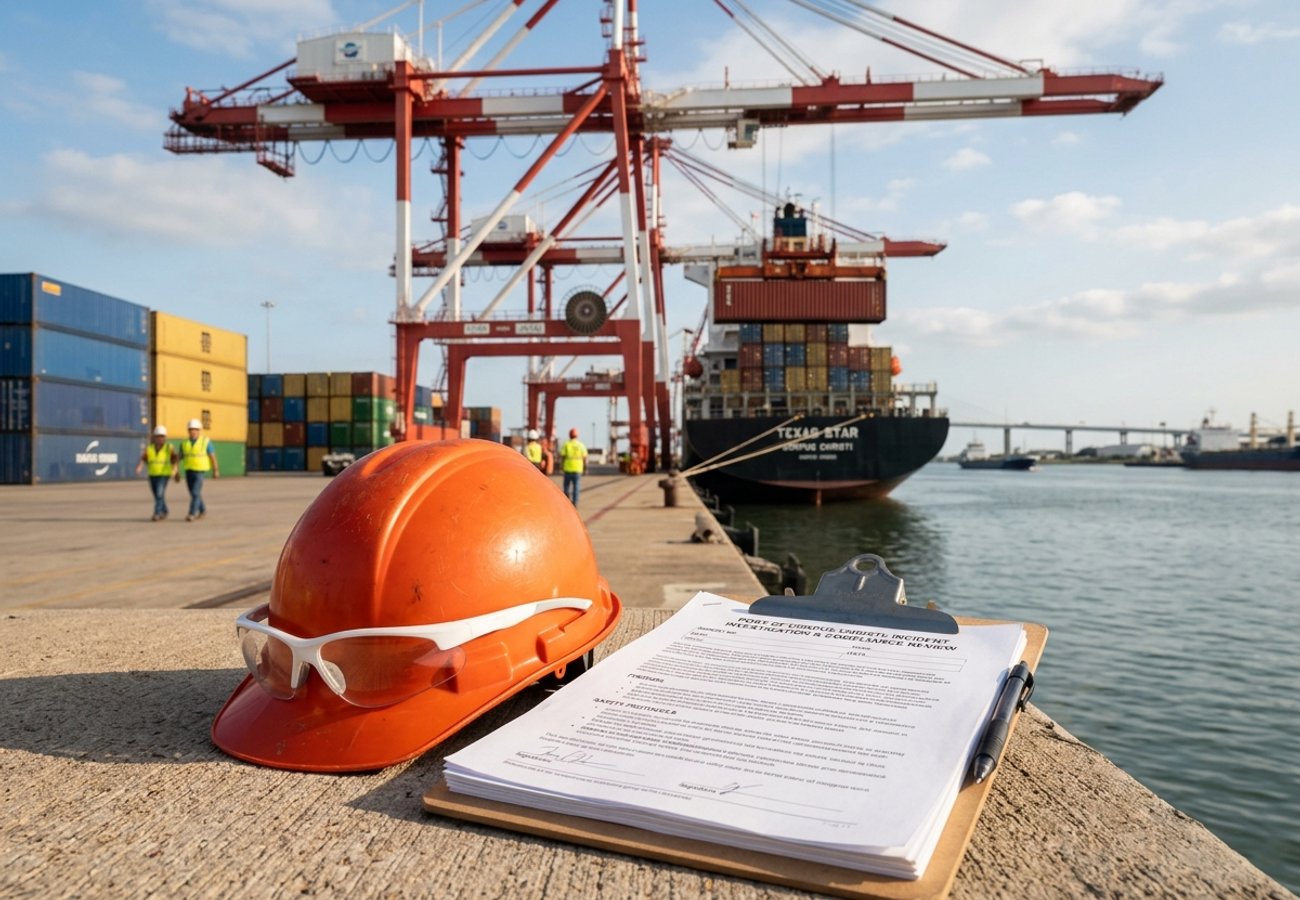
Photo by Nomad Lawyer Legal Desk / Industrial dockside and maritime injury liability in South Texas
South Texas serves as one of North America’s most vital energy and shipping gateways. From sprawling deepwater cargo berths and petrochemical refineries to offshore fabrication yards, thousands of workers keep regional trade flowing around the clock.
Yet this concentration of heavy machinery, pressurized lines, massive container cranes, and marine transport creates an environment where industrial accidents can result in catastrophic, life-altering trauma. Navigating the legal aftermath of a serious workplace or industrial accident requires understanding how distinct state and federal jurisdictions govern injured worker rights.
The Intersection of State and Federal Injury Protections
Unlike standard office or retail workplace incidents, industrial accidents occurring near waterfronts, shipping terminals, and petrochemical processing hubs often cross between traditional state personal injury doctrines and specialized federal statutory frameworks.
Determining which body of law controls depends on where the injury took place, the worker's specific employment duties, and the vessels or machinery involved:
The Jones Act for Seamen
Under the federal Jones Act (46 U.S.C. § 30104), qualifying crew members and maritime workers assigned to vessels operating in navigable waterways are granted the right to seek damages directly from their employers for negligence. Unlike standard workers' compensation, an injured seaman can claim compensation for pain, suffering, mental anguish, and complete lost future earnings if employer negligence or vessel unseaworthiness contributed to the harm.
The Longshore and Harbor Workers' Compensation Act (LHWCA)
Land-based maritime personnel—such as longshoremen, harbor crane operators, ship repairers, and stevedores injured on piers, docks, dry docks, or adjoining terminal loading areas—fall under the LHWCA (33 U.S.C. § 901 et seq.). This federal statutory system provides medical treatment benefits, vocational rehabilitation, and disability wage compensation without requiring workers to prove employer fault.
Texas Non-Subscriber Workplace Rules
Texas is one of the few states where private employers can opt out of the state-run workers' compensation insurance system, making them "non-subscribers." If an industrial or refinery operator chooses non-subscriber status and a worker is injured due to unsafe working conditions or inadequate training, the employee retains the right to file a common-law negligence lawsuit against the employer, where defenses such as contributory negligence are legally barred.
Third-Party Liability in Industrial Settings
Complex industrial jobsites rarely involve just one company. Refining complexes, commercial ports, and construction yards operate with multiple overlapping entities: general contractors, sub-contractors, equipment maintenance providers, and third-party chemical suppliers.
When an employee is injured due to a defective crane hoist, a negligent independent transport driver, or malfunctioning safety valves manufactured by an outside vendor, the worker is not limited strictly to administrative compensation benefits. A separate third-party personal injury lawsuit can be filed against the responsible outside corporation to recover full economic and non-economic damages.
Partnering with a knowledgeable personal injury attorney corpus christi provides the technical resources required to conduct detailed site inspections, interview multi-employer safety managers, and hold all culpable corporate entities fully accountable.
Key Steps Following an Industrial or Workplace Incident
Preserving accountability in maritime and industrial settings requires methodical action:
- Immediate Written Notice: Report the incident to your supervisor or port safety officer right away to ensure an accurate company incident report is formally created.
- Secure Medical Attention Without Delay: Request immediate care from unbiased medical physicians and clearly describe how the injury occurred so diagnostic logs match the physical evidence.
- Preserve Damaged Gear and Equipment: Keep torn safety harnesses, cracked hard hats, and defective tools intact without allowing unauthorized alterations.
- Identify Witnesses: Record names, union affiliations, and phone numbers of fellow dockworkers, crane operators, and subcontractors who witnessed the occurrence.
Safeguarding Your Family’s Financial Security
Traumatic workplace incidents, chemical exposures, and heavy machinery failures frequently result in extensive rehabilitation, prolonged recovery timelines, and psychological stress for workers and their families. Exploring all available legal remedies ensures you receive the extensive medical coverage and financial protection necessary to rebuild your life with dignity.
Related Travel Guides
Disclaimer
This article is for informational and educational purposes only. It does not constitute legal, financial, or professional advice. While we strive to provide accurate and up-to-date information, travel policies, regulations, and conditions change rapidly. Always verify information with official sources before making travel decisions. Nomad Lawyer makes no representations about the accuracy, reliability, completeness, or suitability of the information provided. Readers should consult qualified professionals for advice specific to their circumstances. The views expressed in this article are those of the author and do not necessarily reflect the views of Nomad Lawyer.
Kunal K Choudhary
Co-Founder & Contributor
A passionate traveller and tech enthusiast. Kunal contributes to the vision and growth of Nomad Lawyer, bringing fresh perspectives and driving the community forward.
Learn more about our team →