
This Is How You Build a Solid Injury Claim From Day One
Learn how to build a strong personal injury claim from day one. Essential steps for medical records, incident reporting, evidence gathering, and legal counsel.

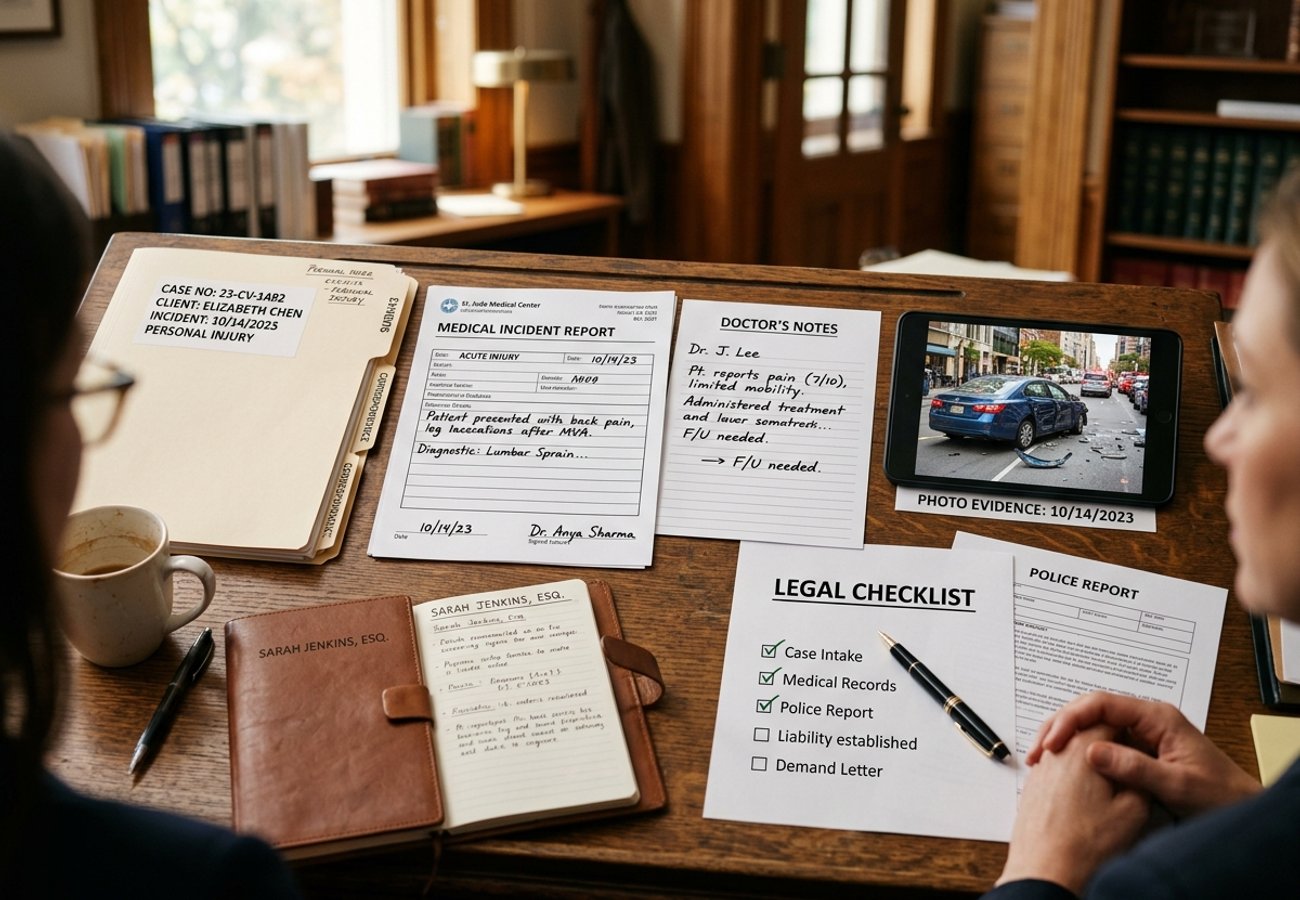
Photo by Nomad Lawyer Legal Desk / Essential steps to build a solid personal injury claim from day one
Personal injury is the system we turn to when someone gets hurt because of another person’s negligence. It may be on the road, at work, on private property, or even in public.
Injuries can look like dog bites, car crashes, slips and falls, and a long list of other things that don't usually make headlines but still flip people’s lives upside down. Once it happens, you are faced with choices, with some of them being urgent. This article will help you make sense of what to do next and the best way to proceed to protect yourself.
Protect Your Health and Legal Rights
“It does not matter how 'okay' you think you are. After an accident, getting checked out is non-negotiable. Not just for your health, but for your case,” says Earlon L. Seeley III of Pellegrini, Seeley, Ryan & Blakesley, P.C.
Some injuries can stay quiet for hours, even days. Internal bleeding does not announce itself with a siren. A concussion does not always make you lose consciousness. And if you wait too long, two things may happen: your body gets worse, and the paperwork gets weaker. A hospital visit gives you a timestamp. A record. Something solid to point to if questions come up later.
Report the Incident Immediately
You can’t rely on memory alone. That is why the first crucial step in protecting your claim is reporting the incident to the right person, whether it be the police, manager, landlord, HR, or whoever is responsible.
Think of it as setting down a marker in time. It answers the questions insurance companies are trained to ask: “When exactly did this happen? Who saw it? What was the situation like?” If you skip this step, you are handing them an easy excuse to cast doubt. And they will. So get it in writing, get a copy, and keep it safe.
Document Everything You Can
You don't know what details your future self will need. So save everything. That bruise photo? It may be relevant. That Uber receipt from the day after? It may show that you could not drive because of pain.
In personal injury law, winning often comes down to proving your version is more believable than the other side’s. And credibility lives in the details. If a document, photo, message, or receipt has even the slightest connection to your injury or recovery, keep it.
Understand Your Insurance Obligations
If you get hurt in a crash, your insurance pays first, even if the other driver was at fault. It is called a no-fault system, and it runs through a built-in coverage called PIP, short for Personal Injury Protection. PIP helps cover immediate expenses, such as medical bills and lost income, but it has limits. It does not cover pain and suffering, and it will not touch long-term disability.
Once your medical bills go over $2,000, or you are dealing with a serious, lasting injury, you may be allowed to step outside the no-fault system and pursue a complete personal injury claim. However, until that threshold is crossed, your insurer is your primary point of contact.
When and Why to Talk to a Personal Injury Lawyer
Not every injury needs a lawyer. If it's a minor bump and you're back to normal in a few days, you can handle things on your own. But when the pain lingers, the medical bills pile up, or you start to wonder what is fair, that's when it’s time to talk to someone who knows the system. A personal injury lawyer helps you understand what you are entitled to and what steps to take before time or evidence runs out.
Timing matters more than people realize. The earlier you bring in a lawyer, the more they can do for you. They can start gathering witness statements, pulling surveillance footage before it disappears, requesting police reports, and preserving medical records before they get buried.
Most consultations are free, and many lawyers work on a contingency basis, meaning they do not get paid unless you do. The real risk, however, is not consulting a lawyer too soon. It’s waiting too long, and realizing you should have.
Related Travel Guides
Disclaimer
This article is for informational and educational purposes only. It does not constitute legal, financial, or professional advice. While we strive to provide accurate and up-to-date information, travel policies, regulations, and conditions change rapidly. Always verify information with official sources before making travel decisions. Nomad Lawyer makes no representations about the accuracy, reliability, completeness, or suitability of the information provided. Readers should consult qualified professionals for advice specific to their circumstances. The views expressed in this article are those of the author and do not necessarily reflect the views of Nomad Lawyer.
Naina Thakur
Contributor & Travel Specialist
Travel enthusiast and legal writer covering visa regulations, responsible tourism, and cultural journeys across global destinations.
Learn more about our team →